

The Complete Guide to Multivitamins for Men in India

A well-rounded multivitamin for men in India typically covers zinc, magnesium, vitamin D, vitamin B12, and CoQ10, nutrients that support energy, muscle function, heart health, and general vitality. Needs shift with age and lifestyle: a 25-year-old focused on fitness has different priorities from a 45-year-old managing stress and heart health. This guide covers what to actually look for, why these nutrients matter for Indian men specifically, and how to choose based on your life stage.
Why Indian Men's Nutrient Needs Are Often Overlooked
Multivitamin conversations in India tend to focus heavily on women's nutrition, which means men's specific gaps often go unaddressed until symptoms like fatigue, poor recovery, or stress show up. Sedentary urban jobs, high stress, inconsistent sleep, and diets that vary widely from one household to the next all contribute to nutrient gaps that are just as real for men as they are for women.
Vitamin D deficiency, for instance, is extremely common among Indian men despite the country's abundant sunlight, largely due to indoor-heavy lifestyles and consistent use of sunscreen or covered clothing during commutes. Understanding which nutrients matter most for men, and why, makes it far easier to choose a multivitamin that's actually useful rather than generic.
The Nutrients That Matter Most for Men
Zinc and Magnesium
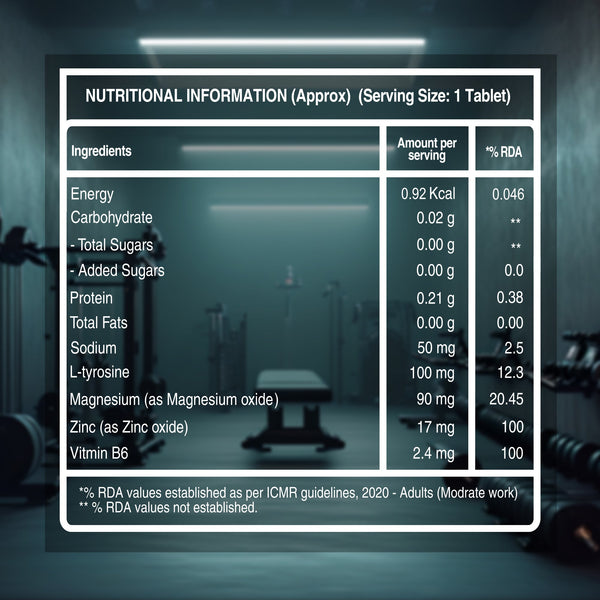
Zinc plays a role in immune function, testosterone production, and muscle recovery, making it particularly relevant for men who train regularly or deal with high physical demands. Magnesium supports muscle relaxation, nerve function, and sleep quality, and deficiency is common among men under chronic stress or with high caffeine intake, both of which deplete magnesium levels over time.
A combined option like Pure Nutrition Zinc-ZMA pairs zinc, magnesium, and vitamin B6 with L-tyrosine, formulated to support mood, sleep, and muscle recovery together.
Vitamin D and Vitamin B12
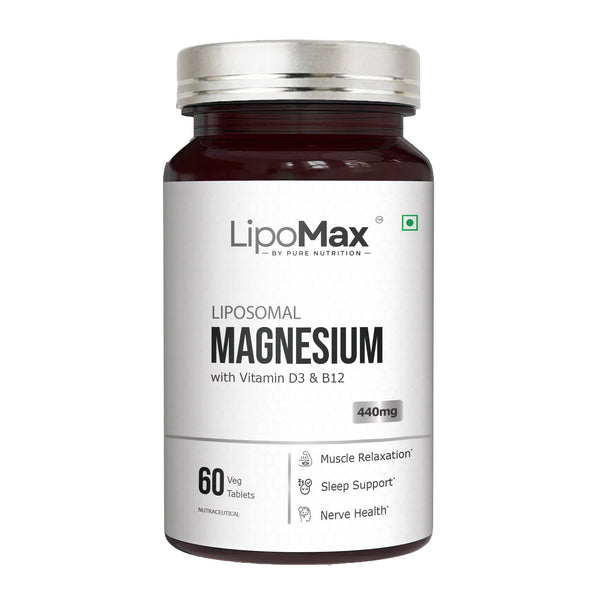
Vitamin D supports bone density, immune function, and has links to mood regulation, yet deficiency remains widespread among Indian men who spend most daylight hours indoors or commuting. Vitamin B12 is essential for energy production and nerve function, and men who follow vegetarian diets are at meaningfully higher risk of deficiency, since B12 is found almost exclusively in animal products.
CoQ10 and Heart Health Support
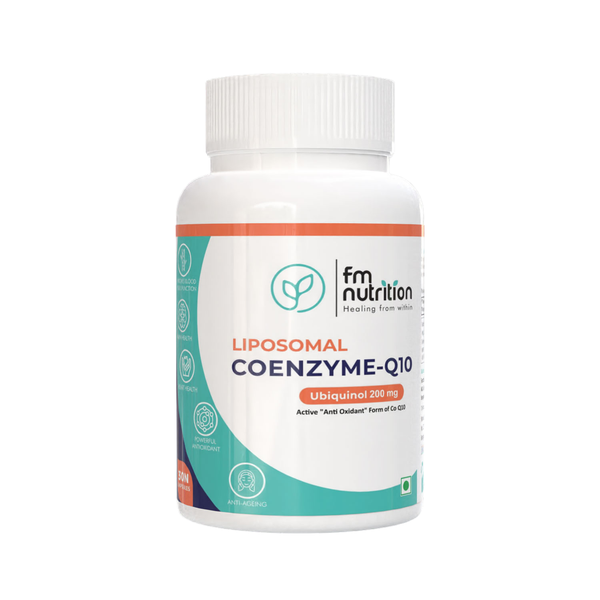
Coenzyme Q10 is a naturally occurring compound that supports cellular energy production, particularly in the heart, which has some of the body's highest energy demands. Levels of CoQ10 naturally decline with age, which is one reason it's often included in formulas aimed at men in their late 30s and beyond, alongside general heart-health support ingredients.
For this specific need, Pure Nutrition Bio Coenzyme Q10 combines CoQ10 with Bioperine for enhanced absorption and Arjuna extract, traditionally used to support heart and cellular health.
B-Complex and Omega-3s
The full B-vitamin complex supports energy metabolism, stress resilience, and cognitive function, all relevant to the demands of a fast-paced work life. Omega-3 fatty acids, meanwhile, support heart and brain health and are often under-consumed in typical Indian diets unless fish or specific plant sources like flaxseed are eaten regularly.


A comprehensive daily option covering many of these nutrients together is Pure Nutrition Men's Multivitamin for Energy and Immunity, formulated with omega-3 fatty acids, antioxidants, and an amino acid blend geared toward men's daily nutrient needs.
Multivitamin Needs by Life Stage
|
Life Stage |
Key Nutrients to Prioritise |
Why It Matters |
|
Active/fitness-focused (20s-30s) |
Zinc, magnesium, B-complex, omega-3 |
Supporting muscle recovery, energy, and training demands |
|
High-stress professional years (30s-40s) |
Magnesium, B-complex, vitamin D |
Managing stress load and combating fatigue |
|
40s and beyond |
CoQ10, vitamin D, omega-3, B12 |
Supporting heart health and offsetting natural nutrient decline |
|
Vegetarian/vegan at any age |
Vitamin B12, iron, omega-3, zinc |
Addressing gaps common in plant-based diets |
How to Choose the Right Multivitamin for You
Match nutrients to your lifestyle, not just your age. An active 25-year-old and a sedentary 25-year-old have meaningfully different needs.
Look for absorption-friendly nutrient forms. Methylated B-vitamins and chelated minerals (like magnesium glycinate) are generally better absorbed than standard forms.
Prioritise B12 and iron if you're vegetarian. These are the nutrients most commonly under-supplied by plant-based Indian diets.
Consider CoQ10 from your late 30s onward. Natural levels decline with age, making supplementation more relevant over time.
For a methylated, pre-activated formula designed around absorption, Ace Blend Men's Methylated Multivitamin is built specifically to address the estimated 44% of people whose genetics make it harder to absorb certain vitamin forms.
To explore the full range, browse our multivitamin and immunity booster collection.
A Note on Marketing Claims and Realistic Expectations
Many men's multivitamins are marketed with claims around testosterone, muscle growth, or hair loss, and while ingredients like zinc do play a genuine, well-documented role in hormonal and metabolic processes, a multivitamin is not a substitute for training, sleep, stress management, or medical treatment where those are the actual underlying issue. Correcting a genuine nutrient deficiency can meaningfully improve energy and wellbeing, but it won't reverse effects driven by other factors. If you're dealing with persistent fatigue, low energy, or specific concerns like hair loss, a conversation with a doctor and, where relevant, a blood test will give you a far clearer picture than a supplement label alone.
Quick Summary
Indian men commonly face gaps in vitamin D, B12, magnesium, and zinc, driven by indoor-heavy lifestyles, stress, and dietary patterns rather than any single cause. The right multivitamin depends on your life stage and lifestyle, from active fitness-focused years through high-stress professional decades to nutrient needs that shift again past 40. Choosing absorption-friendly nutrient forms and matching supplementation to your actual lifestyle, rather than marketing claims, is the most effective approach.
FAQs
Q1. What is the most common nutrient deficiency among Indian men?
Ans: Vitamin D deficiency is extremely widespread among Indian men, despite abundant sunlight, largely due to indoor-heavy urban lifestyles. Magnesium and B12 deficiencies are also common, particularly among men under chronic stress or following vegetarian diets.
Q2. Can a multivitamin actually boost testosterone?
Ans: Some nutrients like zinc do play a genuine role in supporting healthy testosterone production, particularly if you're deficient. However, a multivitamin isn't a guaranteed testosterone booster on its own, and factors like sleep, stress, and body composition play a much larger role overall.
Q3. Do men need a different multivitamin than women?
Ans: Men's formulas are typically adjusted for lower iron content (since men don't lose iron through menstruation) and often include higher zinc and specific muscle-and-energy-support ingredients. A general multivitamin can work for either, but a gender-specific formula is usually better matched to typical nutrient needs.
Q4. Is CoQ10 necessary for younger men?
Ans: Not typically, since the body produces adequate CoQ10 naturally at younger ages. It becomes more relevant from the late 30s onward, as natural production gradually declines, or for men managing specific heart-health concerns under medical guidance.
Q5. How do I know if I actually need a multivitamin or just a better diet?
Ans: A well-balanced diet can cover most nutrient needs, but common gaps like vitamin D and B12 persist even with reasonably good eating habits, due to lifestyle and dietary pattern factors. A blood test is the most reliable way to know which, if any, nutrients you're actually short on.
Q6. Are methylated multivitamins worth the extra cost?
Ans: For men with reduced ability to convert standard vitamin forms, often linked to a common genetic variation, methylated multivitamins can offer meaningfully better absorption. For others, standard forms typically work just as well, so it comes down to how your body responds and your budget.


