

The Complete Guide to Immunity Booster Supplements in India

The most well-supported immunity supplements in India include vitamin C, vitamin D, zinc, and probiotics, each supporting a different part of immune function rather than acting as a single "boost." Herbal ingredients like giloy, ashwagandha, and amla are widely used in Indian wellness traditions and offer general immune support, though the evidence behind them is less extensive than for core vitamins and minerals. No supplement replaces sleep, nutrition, or vaccination, but the right combination can help fill genuine nutritional gaps.
What "Immunity Booster" Actually Means
The phrase "immunity booster" became especially popular in India in recent years, but it's worth understanding what it actually means before choosing a product. Your immune system isn't a single switch that gets turned up, it's a complex network of cells, proteins, and organs working together, and most supplements work by supporting specific nutrients your immune system needs to function properly, rather than supercharging it beyond normal.
This distinction matters because it changes what a reasonable expectation looks like. A supplement addressing a genuine deficiency, say, low vitamin D, can meaningfully support immune function. The same supplement won't do much if you're not actually deficient, since more isn't automatically better once your body has what it needs.
The Core Nutrients With the Strongest Evidence
Vitamin C
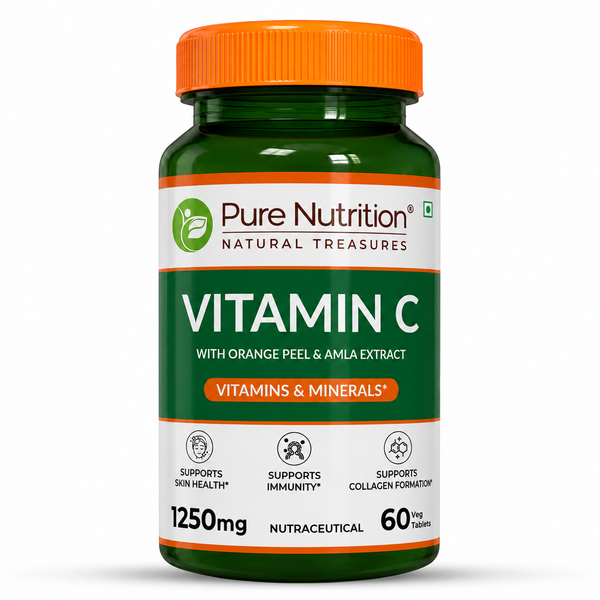
Vitamin C supports the function of white blood cells, the immune system's first line of defence, and acts as an antioxidant that helps reduce cellular stress. Since the body doesn't store vitamin C, consistent daily intake through diet or supplementation matters more than occasional high doses.
A well-rounded option is Pure Nutrition Vitamin C with Amla Extract + Zinc, which combines vitamin C with zinc and amla for added antioxidant and skin support.
Vitamin D
Vitamin D plays a direct role in regulating immune response, and deficiency is remarkably common across India despite abundant sunlight, largely due to indoor-heavy urban lifestyles. This is one of the few nutrients where supplementation genuinely helps a large portion of the population, since dietary sources alone rarely meet daily requirements.
For a convenient format, Vitamin D3 60000 IU Oral Strips dissolve on the tongue without water, useful for anyone who finds tablets inconvenient.
Zinc
Zinc is directly involved in immune cell development and signalling, and even mild deficiency, more common than most people realise, can measurably reduce the immune system's ability to respond to infection. It's frequently paired with vitamin C, since the two support complementary parts of immune function.
Probiotics and Gut Health
A significant portion of the immune system is actually located in the gut, which is why gut health and immune function are so closely linked. Probiotics help maintain a balanced gut microbiome, which research increasingly connects to a well-functioning immune response, particularly around digestion, nutrient absorption, and inflammatory regulation.
A high-potency option is Progut 50 Billion CFU, a probiotic supplement formulated with a diverse strain blend to support both gut and immune health.
Herbal and Ayurvedic Immunity Support
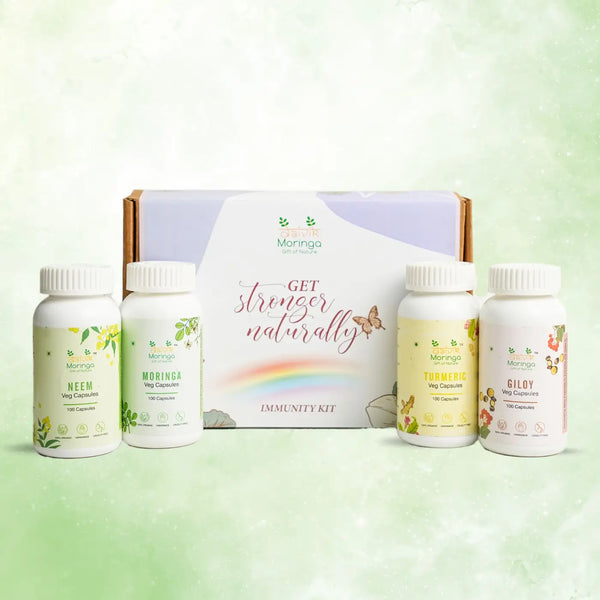
Ingredients like giloy, ashwagandha, turmeric, and amla have a long history in Ayurvedic tradition for general wellness and immune support. While the modern clinical research on these herbs is generally less extensive than for core vitamins and minerals, many of these ingredients have documented antioxidant and anti-inflammatory properties, which plausibly support overall health, even where the specific immune claims are still being studied.
An example combining several of these traditional ingredients is Immunity Booster 500mg, formulated with giloy, kalmegh, ashwagandha, ginger, amla, and turmeric extracts.
Immunity Supplement Categories at a Glance
|
Nutrient/Ingredient |
Role in Immune Support |
Evidence Strength |
|
Vitamin C |
Supports white blood cell function, antioxidant |
Strong |
|
Vitamin D |
Regulates immune response directly |
Strong, especially where deficient |
|
Zinc |
Immune cell development and signalling |
Strong |
|
Probiotics |
Supports gut-based immune function |
Growing, promising |
|
Herbal blends (giloy, ashwagandha, amla) |
General antioxidant, traditional immune support |
Traditional use, limited modern trials |
How to Choose the Right Immunity Supplement for You
Start with the basics: vitamin C, D, and zinc. These have the strongest evidence base and address the most common gaps.
Consider your actual deficiency risk. Indoor lifestyles point to vitamin D; plant-based diets often need B12 alongside general immune nutrients.
Don't overlook gut health. A probiotic is a reasonable, evidence-backed addition alongside core vitamins.
Treat herbal blends as complementary, not primary. They're a reasonable addition to a routine already covering core nutrients, not a replacement for them.
To explore the full range, browse our multivitamin and immunity booster collection.
A Note on What Supplements Can and Can't Do
It's worth being clear-eyed about what "immunity booster" supplements realistically offer. They can help correct genuine nutritional gaps, particularly vitamin D and B12, which are common in Indian diets and lifestyles. What they cannot do is prevent illness outright, replace vaccination, or substitute for sleep, stress management, and a generally balanced diet, all of which have a much larger impact on immune function than any single supplement. If you're dealing with frequent illness or persistent fatigue, it's worth speaking to a doctor rather than assuming a supplement alone will resolve it.
Quick Summary
Vitamin C, vitamin D, zinc, and probiotics have the strongest evidence behind them for supporting immune function, while traditional herbal ingredients like giloy and ashwagandha offer complementary support rooted in Ayurvedic practice. The most effective approach is addressing genuine nutritional gaps, particularly vitamin D given how common deficiency is across India, rather than assuming any one product will dramatically "boost" immunity on its own.
FAQs
Q1. Can supplements actually prevent me from getting sick?
Ans: Not directly. Supplements can support immune function by correcting nutritional gaps, but they don't guarantee immunity from illness. Sleep, stress management, hygiene, and vaccination all play a larger, more direct role in reducing your risk of getting sick.
Q2. Why is vitamin D deficiency so common in India despite the sunlight?
Ans: Most vitamin D synthesis requires direct skin exposure to sunlight, but indoor-heavy urban lifestyles, sunscreen use, and covered clothing during commutes significantly reduce this exposure. As a result, deficiency remains widespread even in a sun-abundant country.
Q3. Is it safe to take multiple immunity supplements together?
Ans: Generally yes, when taken at recommended doses, since vitamin C, D, zinc, and probiotics work through different mechanisms and commonly appear together in combination formulas. It's still worth checking with a doctor if you're combining several supplements regularly or have an existing health condition.
Q4. Do herbal immunity supplements actually work?
Ans: Ingredients like giloy and ashwagandha have a long history of traditional use and generally documented antioxidant properties, but the modern clinical evidence specifically for immune-boosting claims is less extensive than for core vitamins. They're reasonable as a complementary addition rather than a primary immune strategy.
Q5. How does gut health connect to immunity?
Ans: A substantial portion of the immune system is located in and around the gut, and a balanced gut microbiome supports healthy digestion, nutrient absorption, and inflammatory regulation. This is why probiotics are increasingly recognised as relevant to overall immune health, not just digestion.
Q6. Should I get tested before starting immunity supplements?
Ans: It can help, particularly for vitamin D and B12, since a blood test tells you whether you're actually deficient rather than guessing. This is especially useful before starting higher-dose supplementation, so you're addressing a real gap rather than taking more than your body needs.


