

Organic Sanitary Pads vs Regular Pads: Is There a Real Difference?

Yes, there's a genuine difference. Organic sanitary pads are made from certified organic cotton, free from synthetic fragrances, chlorine bleaching, and the plastic-heavy construction found in most conventional pads. Regular pads typically use synthetic polymers, chlorine-bleached pulp, and adhesive chemicals to maximise absorbency and shelf life. For most people, the difference shows up as less irritation, better breathability, and a smaller environmental footprint, though organic pads can cost more and are slightly less widely available.
What's Actually Inside a Regular Sanitary Pad
Most people have never been told what's actually inside a conventional sanitary pad. The answer, once you know it, changes how you think about every period you've had. Standard sanitary pads sold widely contain synthetic polymers, chlorine-bleached wood pulp, artificial fragrances, and adhesive chemicals holding the whole thing together.
These aren't trace amounts. This material sits against some of the most permeable, sensitive skin on the body for hours at a time, every single cycle, which is exactly why the materials involved matter more than they're usually given credit for.
What conventional pads commonly involve:
-
Synthetic polymers (like SAP, super absorbent polymer) for maximum absorbency
-
Chlorine-bleached wood pulp, which can leave behind trace dioxins
-
Synthetic fragrance, one of the most common irritants in period products
-
Plastic-based backing and adhesives that reduce breathability
What Makes a Pad Genuinely "Organic"
An organic sanitary pad starts with the top sheet, the layer that touches the skin. Genuine organic pads use certified organic cotton or bamboo, grown without synthetic pesticides, and skip chlorine bleaching in favour of unbleached fibre or gentler alternatives like oxygen bleaching.
The label "organic" gets used loosely in marketing, so it helps to know what a credible claim actually looks like, rather than assuming the word alone means much.
What a genuinely organic pad should offer:
-
Organic cotton or bamboo top sheet, certified and unbleached or oxygen-bleached
-
No synthetic fragrance, the most common chemical concern in conventional pads
-
Breathable, often plant-based backing that reduces moisture, heat, and rash risk
-
Biodegradable or reusable construction, natural fibres or washable cloth instead of synthetic polymers
-
Third-party certification, such as GOTS or OEKO-TEX, not just a self-declared "natural" label
A reliable example is the VIVANION Herbal Organic Cotton Re-Usable Sanitary Pads, anti-bacterial coated and made to be washed and reused up to 30 times.
Organic vs Regular Pads: Quick Comparison
|
Factor |
Regular Pads |
Organic Sanitary Pads |
|
Top sheet material |
Synthetic, often plastic-based |
Certified organic cotton or bamboo |
|
Bleaching process |
Chlorine bleached |
Unbleached or oxygen bleached |
|
Fragrance |
Often added synthetic fragrance |
Fragrance-free |
|
Breathability |
Lower, plastic backing traps heat |
Higher, plant-based breathable backing |
|
Environmental impact |
Non-biodegradable, landfill waste |
Biodegradable or reusable |
|
Cost |
Generally lower |
Moderately higher (disposable) or one-time (reusable) |
Does the Difference Actually Matter for Your Body?
For many people, yes, particularly those who already experience irritation, rashes, or heat-related discomfort with conventional pads. Reduced airflow and synthetic materials can contribute to a warmer, more humid environment against the skin, which isn't ideal over several hours of continuous wear.
That said, not everyone reacts the same way, and plenty of people use conventional pads without noticeable issues. The clearest signals that switching might help are recurring irritation, rashes, or a preference for reducing chemical and plastic exposure more broadly.
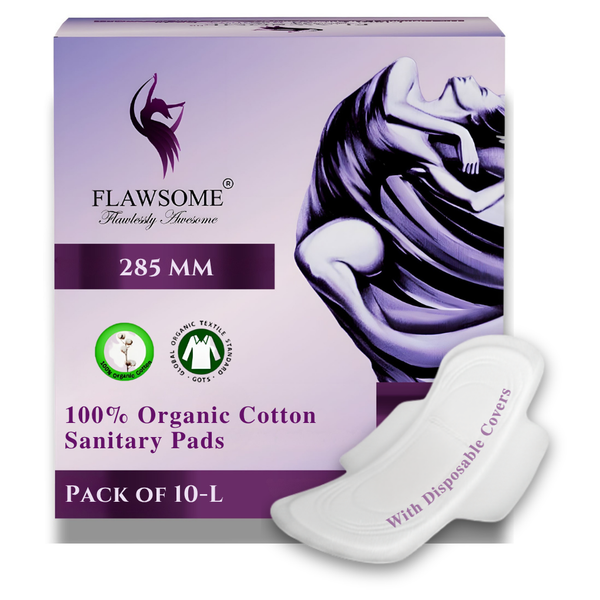
For disposable organic protection, Flawsome Period Care Combo pairs plant-based sanitary pads with organic cotton panty liners for full-cycle, chemical-free coverage.
To explore the full range, browse our sustainable cotton sanitary napkins and pads collection.
Disposable Organic Pads vs Reusable Organic Pads
Within organic pads themselves, there's a further choice worth knowing about. Disposable organic pads work exactly like conventional ones, worn once and discarded, just made from cleaner materials. Reusable organic cloth pads are washed and worn again, often for dozens of cycles, which reduces both cost and waste over time but requires a slightly different daily routine.
Prefer a familiar routine with cleaner materials? Disposable organic pads are the easiest switch.
Want to reduce waste and long-term cost? Reusable organic cloth pads pay for themselves over time.
Quick Summary
There is a real, material difference between organic and regular sanitary pads, mainly in what touches the skin for hours during each cycle. Conventional pads rely on synthetic polymers, chlorine-bleached pulp, and added fragrance, while genuinely organic pads use certified organic cotton, skip harsh bleaching, and skip fragrance altogether. For sensitive skin, recurring irritation, or anyone looking to reduce chemical and plastic exposure, the switch is generally worth making.

FAQs
Q1. Are organic sanitary pads actually more effective than regular pads?
Ans: Quality organic pads are designed with advanced absorbent cores and wider coverage, so effectiveness is generally comparable to regular pads. The main difference lies in the materials touching the skin, not necessarily in leak protection, provided you choose a well-reviewed, quality brand.
Q2. Why do conventional pads use chlorine bleaching?
Ans: Chlorine bleaching is used to whiten wood pulp cheaply and quickly during manufacturing. It's a common practice in conventional pad production, though it can leave behind trace dioxins, which is one of the reasons organic pads use unbleached or oxygen-bleached alternatives instead.
Q3. Can regular pads cause irritation or rashes?
Ans: Yes, particularly with prolonged wear, sensitive skin, or synthetic fragrance sensitivity. Reduced breathability from plastic backing can also trap heat and moisture, which may contribute to irritation for some people, though reactions vary from person to person.
Q4. How do I know if a pad labelled "organic" is genuinely organic?
Ans: Look for third-party certification like GOTS or OEKO-TEX rather than relying on the word "organic" or "natural" alone, since these labels aren't always regulated. Genuine organic pads should also specify unbleached or oxygen-bleached materials and be free from added fragrance.
Q5. Are reusable organic pads more hygienic than disposable ones?
Ans: Reusable organic cloth pads are hygienic when washed properly between uses, similar to how underwear is cleaned. They're not inherently less hygienic than disposables, but they do require a consistent washing routine, which is worth factoring into your decision.
Q6. Is switching to organic pads worth the extra cost?
Ans: For many people, yes, particularly those with sensitive skin or recurring irritation from conventional pads. Reusable organic pads can also offset the higher upfront cost over time, since a single set can last through many cycles.


