

Non-Toxic Toys vs Regular Toys: How to Tell the Difference

Non-toxic toys are made from natural or carefully tested materials, such as untreated wood, organic cotton, or vegetable-based dyes, and avoid harmful substances like BPA, phthalates, and lead paint. Regular toys, especially mass-produced plastic ones, aren't automatically unsafe, but they carry a higher chance of containing these chemicals, particularly if sourced cheaply or without clear certification. The real difference usually comes down to materials, finishing, and how transparent the brand is about what went into making the toy.
Why This Distinction Matters More Than It Used To
If you've ever picked up a bright plastic toy and wondered what it's actually made of, you're far from alone. More parents today are looking more closely at what ends up in their child's mouth, hands, and home, not out of fear, but simply because better information and better alternatives are now easier to find.
"Non-toxic" gets used loosely in toy marketing, which makes it genuinely hard to tell which claims are meaningful and which are just a label. Knowing what actually separates a non-toxic toy from a regular one makes shopping far less overwhelming.
What Makes a Toy "Regular" vs "Non-Toxic"
Most conventional, mass-produced toys are made from plastic, synthetic paints, and various additives that make manufacturing faster and cheaper. This doesn't automatically mean a toy is harmful; many mainstream toys meet safety standards, but the materials and finishing processes are generally less transparent, and quality can vary significantly between brands.
Non-toxic toys, by contrast, are built around a smaller, more deliberate set of materials, and brands that use this label tend to be more specific about sourcing and finishing.
What regular toys often involve:
-
Plastic bodies, sometimes without clear information on the type of plastic used
-
Synthetic paints or coatings that may contain heavy metals if unregulated
-
Mass production with less visibility into sourcing
What non-toxic toys typically involve:
-
Natural materials such as untreated or sustainably sourced wood, organic cotton, or bamboo
-
Vegetable-based or water-based dyes instead of synthetic paints
-
Freedom from BPA, phthalates, and lead, which are the substances most commonly flagged in toy safety concerns
-
Smaller-batch or artisan production, often with clearer sourcing information
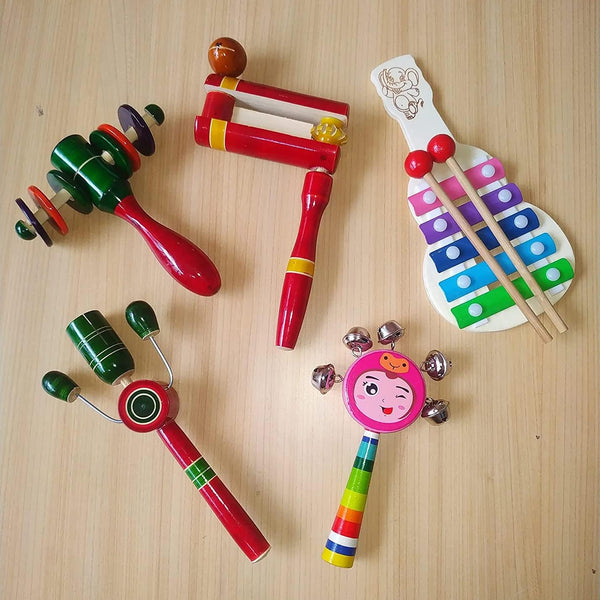
A good example of this approach is Channapatna Toys, handcrafted from natural ivory wood and finished with non-toxic vegetable dyes, a centuries-old Indian craft recognised under the GI registry.
The Chemicals Worth Actually Knowing About
Rather than treating "chemicals" as one vague, scary category, it helps to know what's actually being avoided when a toy is labelled non-toxic.
BPA (Bisphenol A): Commonly used in certain hard plastics, BPA has been a focus of health discussions for years due to its potential to leach, especially with heat or repeated use.
Phthalates: These are chemicals sometimes used to make plastic softer and more flexible, often found in older or lower-quality soft plastic toys.
Lead: Historically found in some cheap paints and coatings, lead is one of the most well-documented concerns in toy safety, which is why reputable brands are explicit about using lead-free finishes.
A toy labelled non-toxic should specifically address one or more of these, not just use the word as a general marketing term.
Non-Toxic vs Regular Toys: Quick Comparison
|
Factor |
Regular Toys |
Non-Toxic Toys |
|
Common materials |
Plastic, synthetic coatings |
Wood, organic cotton, bamboo |
|
Paint or finish |
Synthetic, not always specified |
Vegetable or water-based dyes |
|
Chemical transparency |
Often unclear |
Usually stated clearly (BPA-free, lead-free) |
|
Production scale |
Mass-produced |
Often small-batch or artisan-made |
|
Best for |
General play, budget-friendly options |
Infants, toddlers, chewing-stage kids |
How to Tell the Difference When You're Actually Shopping
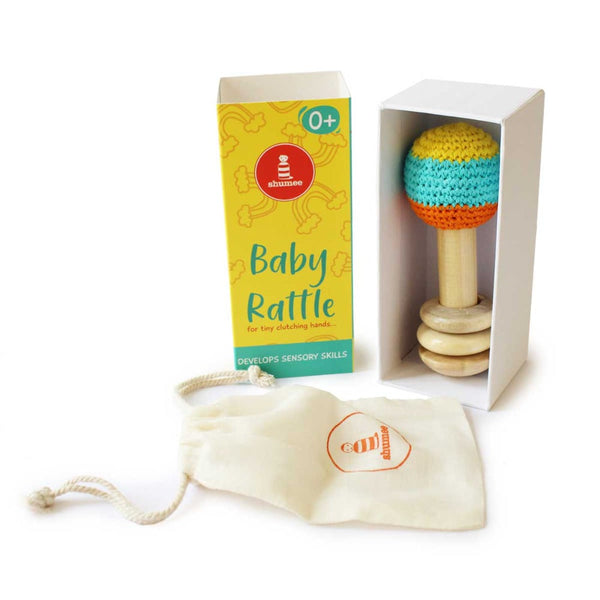
Check the material first. Wood, organic fabric, and natural rubber are generally safer starting points than unspecified plastic.
Look for specific claims, not vague ones. "BPA-free" and "lead-free paint" mean more than a generic "eco-friendly" label.
Feel and smell the toy. A strong chemical or plastic smell is often a sign of lower-quality materials or finishing.
Consider the age and use case. For infants and toddlers who mouth everything, material safety matters even more than for older children.
For babies and toddlers especially, choosing toys with fewer, clearer ingredients tends to be the simpler and safer approach, rather than trying to evaluate every chemical individually.
To browse toys built around this approach, our eco-friendly toys for kids collection is curated specifically around natural materials and non-toxic finishes.
For more on why many parents are moving away from plastic altogether, our guide on why parents are switching to wooden toys over plastic covers this in more depth.
Quick Summary
The real difference between non-toxic and regular toys comes down to materials, transparency, and finishing. Regular, mass-produced toys aren't automatically harmful, but they often carry less clarity around what's actually in them. Non-toxic toys are built around natural materials and are typically explicit about avoiding BPA, phthalates, and lead. For younger children especially, choosing toys with clear, simple ingredient information is the most practical way to shop with confidence.

FAQs
Q1. Are all plastic toys unsafe for kids?
Ans: No, not all plastic toys are unsafe. Many meet recognised safety standards and are perfectly fine for general play. The concern tends to be with unregulated, cheaply made plastic toys that lack clear information about the materials and chemicals used.
Q2. What does "non-toxic" actually mean on a toy label?
Ans: A meaningful non-toxic label usually indicates the toy is free from specific substances like BPA, phthalates, and lead, and is made from natural or tested materials. It's worth looking for these specific claims rather than accepting the word "non-toxic" alone as sufficient information.
Q3. Are wooden toys always safer than plastic toys?
Ans: Generally, yes, when sourced from reputable artisans using natural, chemical-free finishes. However, quality still varies, so it's worth checking for details like the type of wood, finish, and whether vegetable-based or water-based dyes were used, rather than assuming all wooden toys are automatically safe.
Q4. Why does material safety matter more for babies and toddlers?
Ans: Younger children frequently put toys in their mouths, which increases the chance of exposure to any chemicals present in materials or coatings. This is why non-toxic, natural materials are particularly recommended for toys aimed at infants and toddlers in the chewing stage.
Q5. How can I tell if a toy has lead in the paint?
Ans: You generally can't tell just by looking, which is why checking for an explicit "lead-free" claim from the brand matters. Reputable non-toxic toy makers are typically specific about this, rather than leaving it unaddressed.
Q6. Are non-toxic toys worth the extra cost?
Ans: For many parents, yes, particularly for toys used by infants and toddlers or items that will see heavy daily use. Non-toxic toys, especially handcrafted wooden ones, also tend to be more durable, which can offset the higher upfront cost over time.


