

How Much Protein Does Roasted Edamame Contain? A Complete Nutritional Breakdown

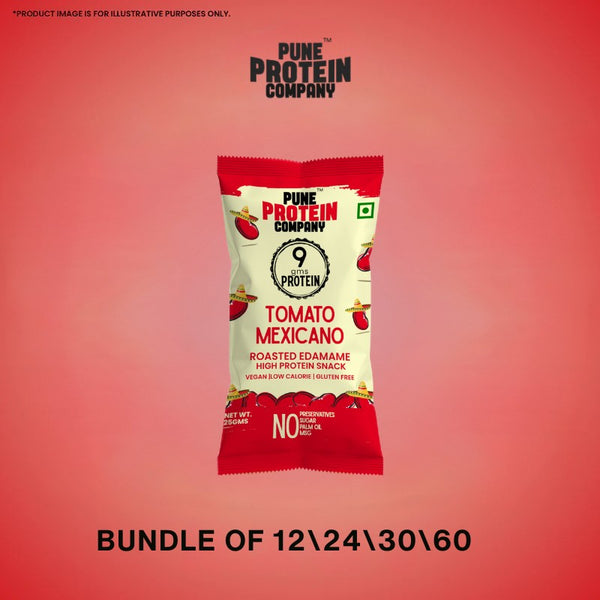
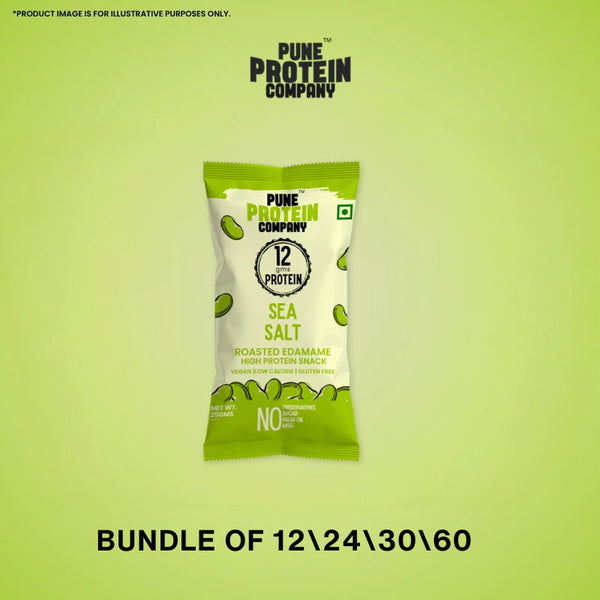
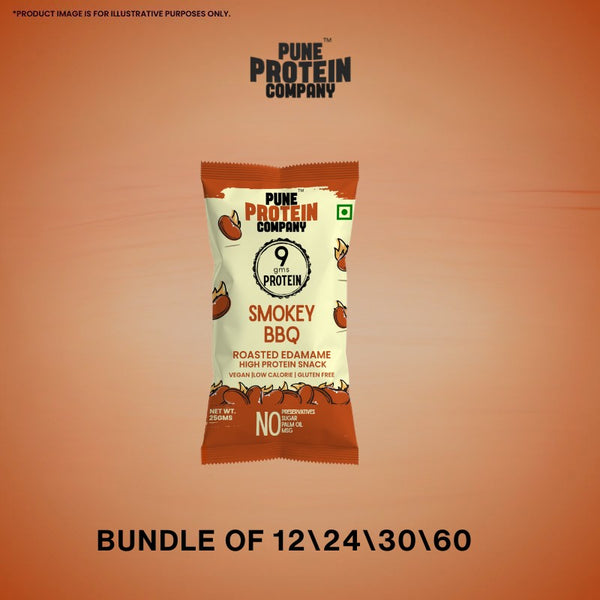
Roasted edamame contains approximately 40–46 grams of protein per 100 grams, making it one of the most protein-dense plant-based snacks available. A standard 25-gram serving provides around 11 grams of protein, which is comparable to many protein bars and far higher than most traditional snack options.
Why Roasted Edamame Protein Is Worth Understanding
When people look for a high-protein snack, they often default to protein bars, dairy, or meat-based options. What many people do not realise is that roasted edamame protein levels can match or even exceed some animal-based sources per gram.
Understanding the nutritional breakdown of roasted edamame helps you use it more intelligently. Whether you are tracking macros, managing a vegetarian diet, or just trying to snack more purposefully, the numbers here are genuinely impressive.
Fresh vs Roasted: Why the Difference Is Huge
The most important thing to understand about roasted edamame nutrition is how different it is from fresh or boiled edamame. Many people assume roasted edamame is just a crunchier version of the same thing. Nutritionally, the gap is significant.
Here is why: when fresh edamame is roasted, the water content is removed through dry heat. That concentrates all the nutrients, including protein, into a much smaller volume. That is why the protein in edamame jumps so dramatically once it is roasted.
|
Form |
Protein per 100g |
Calories per 100g |
|
Fresh or boiled edamame |
11–12g |
121 kcal |
|
Dry roasted edamame |
40–46g |
425–480 kcal |
That concentration means a small 25-gram handful of roasted edamame delivers as much protein as roughly 200 grams of fresh edamame.
Complete Nutritional Breakdown
Here is a detailed look at roasted edamame nutrition facts per 25-gram serving, based on available product and nutritional data:
-
Calories: approximately 107 kcal
-
Protein: 11 grams
-
Carbohydrates: 6.6 grams
-
Dietary fiber: 4 grams
-
Total fat: 6.5 grams
-
Saturated fat: 0.8 grams
-
Trans fat: 0 grams
-
Cholesterol: 0 mg
-
Sodium: approximately 92.5 mg
Per 100 grams, the profile deepens further:
-
Protein: 40–46 grams
-
Calories: approximately 425 kcal
-
Fiber: around 14–16 grams
-
Fat: approximately 17 grams
-
Carbohydrates: 35 grams
That makes roasted edamame one of the most nutrient-dense high-protein snacks available in a compact, portable format.
How It Compares to Other Protein Sources
One of the most useful ways to understand roasted edamame protein is to compare it directly with common protein sources.
|
Food |
Protein per 100g |
|
Dry roasted edamame |
40–46g |
|
Chicken breast (cooked) |
27–31g |
|
Eggs |
13g |
|
Roasted almonds |
21g |
|
Chickpeas (roasted) |
19g |
|
Black beans (cooked) |
9g |
|
Protein bar (average) |
20–30g |
Roasted edamame consistently leads or matches animal-based protein sources, which is remarkable for a plant food.
Is the Protein in Edamame Complete?
This is one of the most important edamame nutrition facts to know. Unlike most plant proteins, edamame contains all nine essential amino acids, making it a complete protein. That means it provides the same amino acid profile your body needs as eggs or meat.
For vegetarians and vegans who are often cautious about amino acid completeness, roasted edamame is one of the few plant-based snacks that removes that concern entirely.
Other Key Nutrients Beyond Protein
Roasted edamame nutrition goes well beyond just protein. It is also notable for:
-
Dietary fiber: Around 4 grams per 25g serving supports digestion and satiety.
-
Iron: Useful for energy and blood health, especially for vegetarians.
-
Folate: Supports cell repair and DNA synthesis.
-
Magnesium: Supports muscle and nerve function.
-
Calcium: Useful for bone health.
-
Plant isoflavones: Antioxidant compounds that may support hormonal balance and reduce oxidative stress.
-
Zero cholesterol: Unlike most animal proteins, roasted edamame has no cholesterol.
What This Means for Everyday Snacking
These numbers make roasted edamame a genuinely practical choice for people who want a high-protein snack without the effort of meal prep. A 30–50 gram serving provides:
-
12–20 grams of complete plant protein,
-
meaningful fiber for satiety,
-
and clean macros that fit both weight management and muscle support goals.
That is a strong case for keeping it as a regular part of your snack rotation.
How to Maximise the Benefit
To get the most from roasted edamame as a high-protein snack:
-
keep servings to 25–50 grams to manage calories while getting a strong protein hit,
-
choose varieties with minimal added salt or oil,
-
pair it with water or a light drink to support hydration,
-
and use it as a planned snack rather than all-day grazing.
[The Complete Guide to High-Protein Roasted Edamame: Benefits, Nutrition & Best Flavors]
Why Experts Recommend It
Nutrition experts often highlight edamame as one of the few plant foods that qualifies as a truly high-protein, complete-amino-acid source. In its roasted form, that protein density becomes one of the highest available among all snack categories, plant-based or otherwise.
Quick Summary
Roasted edamame protein stands at 40–46 grams per 100 grams, or roughly 11 grams per 25-gram serving. It is a complete plant protein with zero cholesterol, good fiber, and a clean nutritional profile that makes it one of the best high-protein snacks available for daily use.
FAQs
1. How much protein does roasted edamame have per 100 grams?
Ans: Roasted edamame contains approximately 40–46 grams of protein per 100 grams. That is significantly higher than fresh edamame, which contains only about 11 grams per 100 grams, because roasting concentrates the nutrients.
2. How much protein is in a typical serving of roasted edamame?
Ans: A 25-gram serving usually provides around 11 grams of protein. A slightly larger 50-gram serving can give you 16–20 grams, making it a meaningful protein contribution for a snack.
3. Is the protein in edamame a complete protein?
Ans: Yes. Edamame contains all nine essential amino acids, which makes it a complete protein. That is uncommon for plant foods and makes it especially valuable for vegetarians and vegans.
4. How does roasted edamame compare to chicken or eggs for protein?
Ans: Roasted edamame has 40–46 grams of protein per 100 grams, while cooked chicken breast has about 27–31 grams and eggs about 13 grams. Roasted edamame actually leads both on a per-100-gram basis.
5. Can I rely on roasted edamame as a daily protein source?
Ans: Yes, in sensible portions it can be a reliable daily high-protein snack. It works especially well when paired with a balanced diet that includes varied protein sources throughout the day.
6. Does roasting reduce the protein in edamame?
Ans: No, roasting actually increases the protein per gram because it removes water and concentrates the nutrients. The protein content in roasted edamame is roughly four times higher than in fresh or boiled edamame.
7: Is roasted edamame better than protein bars for protein?
Ans: It can be. Roasted edamame often matches or exceeds many protein bars in protein per 100 grams, while offering a cleaner ingredient list, complete amino acids, zero cholesterol, and natural fiber that most bars do not provide.
8: How many calories does roasted edamame have compared to its protein?
Ans: At roughly 107 kcal and 11 grams of protein per 25-gram serving, roasted edamame offers an excellent protein-to-calorie ratio. That makes it more efficient than many higher-calorie snack options for people focused on protein intake without excess calories.


