

The Complete Guide to High-Protein Roasted Edamame: Benefits, Nutrition & Best Flavors

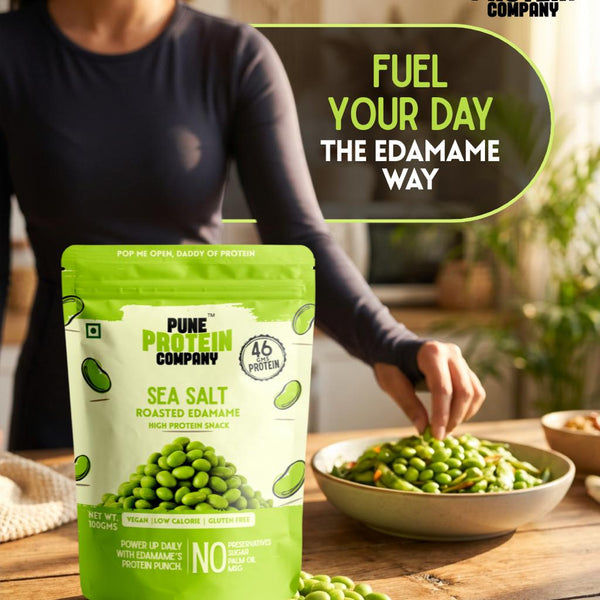
High-protein roasted edamame is a crunchy, plant-based snack made from dry-roasted soybeans that offers up to 40–46 grams of protein per 100 grams, making it one of the most protein-dense vegan protein snacks available. It is a smart choice for anyone looking for healthy protein snacks that are clean, filling, and enjoyable to eat daily.
Why Roasted Edamame Is Getting Attention
The snacking world is shifting. More people want something crunchy and satisfying that also does something useful for their body. That is exactly where high-protein roasted edamame fits in.
It is not just a trendy health food. Roasted edamame is a genuinely nutrient-dense snack that delivers real protein without relying on dairy, meat, or heavy processing. For people looking for plant-based protein snacks that feel like a real snack and not a compromise, roasted edamame hits the mark.
What Roasted Edamame Actually Is
Edamame is the young soybean, harvested before it fully matures. When roasted, the water content evaporates and the nutrients concentrate, which is why roasted edamame snacks have significantly more protein per gram than fresh or boiled edamame.
Fresh edamame contains around 11 grams of protein per 100 grams. Roasted edamame can reach up to 40–46 grams of protein per 100 grams depending on the variety and roasting method. That concentration makes it one of the most efficient plant-based protein snacks available today.
Nutrition Overview
Here is what a typical serving of roasted edamame offers per 25 grams:
-
Protein: approximately 11 grams
-
Calories: around 107 kcal
-
Dietary fiber: approximately 4 grams
-
Carbohydrates: around 6–7 grams
-
Total fat: around 6.5 grams
-
Cholesterol: zero
That is a strong nutritional profile for a snack. It gives you protein and fiber together, which is one of the reasons roasted edamame snacks are filling and help reduce random cravings.
Key Benefits of High-Protein Roasted Edamame
Roasted edamame is not just high in protein. It also brings a range of other wellness benefits that make it a genuinely smart everyday snack.
-
Complete plant protein: Edamame contains all nine essential amino acids, making it a complete protein like eggs or meat. That is rare for a plant food and makes it especially useful for vegans and vegetarians.
-
High fiber content: Around 8 grams of fiber per cup supports digestion and helps the snack feel filling.
-
Heart health support: Its beneficial fats and fiber content may support cholesterol and blood pressure levels.
-
Rich in folate: Approximately 482 micrograms of folate per cup supports cell repair and DNA synthesis.
-
Antioxidants and isoflavones: These plant compounds may help reduce oxidative stress and support hormonal balance.
-
Iron and magnesium: Useful minerals for energy, bone health, and enzyme function.
-
Gluten-free and lactose-free: Suitable for a wide range of dietary lifestyles.
Why It Works as a Vegan Protein Snack
Most vegan protein snacks struggle with one of two problems: either they do not have enough protein to feel satisfying, or they compensate with heavy seasoning and processing. Roasted edamame solves both problems.
It is naturally high in protein, has a clean ingredient profile, and its crunch makes it feel like a proper snack. That is why it is increasingly popular among athletes, vegetarians, and anyone who wants healthy protein snacks without compromising on taste or convenience.
Best Flavors of Roasted Edamame
One of the reasons roasted edamame snacks have grown so quickly is that they come in a range of flavors that make them enjoyable for different palates. Some of the most popular flavors include:
-
Sea salt: Clean, simple, and versatile. The most classic option.
-
Peri peri or spicy: Popular for people who like a stronger kick.
-
Nimbu pudina (lemon mint): A fresh, tangy flavor well suited for the Indian market.
-
Cheese: A richer, more indulgent-tasting option that still stays within the protein snack category.
-
Ranch: A popular Western flavor that works well with the edamame crunch.
The variety of flavors makes roasted edamame snacks easy to keep enjoying without getting bored, which matters for people who want to build a consistent daily snacking habit.
How It Compares to Other Protein Snacks
|
Snack |
Protein per 100g |
Plant-Based |
Fiber |
Clean Label |
|
Roasted edamame |
40–46g |
Yes |
High |
Usually yes |
|
Roasted nuts |
15–20g |
Yes |
Moderate |
Varies |
|
Protein bar |
20–30g |
Varies |
Varies |
Varies |
|
Chips or namkeen |
5–8g |
Yes |
Low |
Often no |
|
Boiled edamame |
11g |
Yes |
Moderate |
Yes |
Roasted edamame clearly leads in protein density among most plant-based snack options.
Who Should Eat It
Roasted edamame works well for a wide range of people:
-
Vegetarians and vegans who need complete plant protein daily.
-
Active people who want a post-workout or between-meal snack.
-
People managing weight who want a filling snack with a strong protein and fiber profile.
-
Anyone reducing junk snacking who wants something crunchy and satisfying without the guilt.
Why Experts Recommend Edamame as a Plant Protein Snack
Nutrition experts and dietitians often recommend edamame because it is one of the few plant foods that offers a complete amino acid profile alongside fiber, antioxidants, and essential minerals. That combination makes it one of the most dependable healthy protein snacks available in the plant-based category.
Quick Summary
High-protein roasted edamame is one of the most nutritionally dense vegan protein snacks available. It delivers complete plant protein, high fiber, essential minerals, and real crunch in a clean, versatile format. With a wide range of flavors and a strong nutritional profile, it is a smart everyday snack for anyone looking to eat better without giving up enjoyment.


FAQs
1. How much protein does roasted edamame have?
Ans: Roasted edamame can contain up to 40–46 grams of protein per 100 grams, depending on the brand and roasting method. That makes it one of the most protein-dense plant-based protein snacks available.
2. Is roasted edamame good for weight loss?
Ans: Yes, because its high protein and fiber combination helps you feel fuller for longer. That can reduce random snacking and support better portion control as part of a balanced routine.
3. Is roasted edamame a complete protein?
Ans: Yes. Edamame contains all nine essential amino acids, making it a complete protein similar to eggs or meat. That is rare for a plant food and makes it especially useful for vegans.
4. What are the best flavors of roasted edamame snacks?
Ans: Popular flavors include sea salt, peri peri, nimbu pudina, cheese, and ranch. Sea salt is the most classic, while spicy and tangy flavors work well for people who prefer bolder taste.
5. Can I eat roasted edamame every day?
Ans: Yes, in sensible portions. It is a clean, nutrient-dense snack that can be a reliable part of your daily routine. Like any snack, keeping the portion consistent is more important than worrying about exact timing.
6. Is roasted edamame better than nuts as a protein snack?
Ans: In terms of protein density, yes. Roasted edamame generally has significantly more protein per 100 grams than most nuts, while also being high in fiber and free of cholesterol.
7: Are roasted edamame snacks good for gym-goers?
Ans: Yes, because they deliver complete plant protein and fiber in a portable format. They are a practical option before or after a workout when you need something clean and convenient.
8: What makes roasted edamame different from fresh edamame?
Ans: Roasting removes the moisture and concentrates the nutrients, which significantly increases the protein content. Fresh edamame has around 11 grams of protein per 100 grams, while roasted edamame can reach up to 46 grams per 100 grams.


