

Hemp & Cannabis Wellness Products in India: A Beginner's Guide

Interest in hemp wellness products in India is growing as consumers encounter hemp protein, Vijaya (Cannabis leaf) extract, CBD and other cannabis-derived formulations. However, understanding this category requires more than knowing the ingredients or choosing a product format. Consumers also need to understand product labelling, medical supervision and the regulatory requirements that may apply.
One important point to remember is that cannabis-derived products are not all treated the same under Indian law. Their legal status can depend on the plant material, formulation, product classification, applicable licences and how the product is sold.
This guide explains the main product categories, the difference between hemp and cannabinoid formulations, and what consumers should check before buying.
What Are Hemp Wellness Products?
Hemp wellness products cover a broad range of products made using different hemp-derived ingredients. These include nutritional products, such as hemp protein powder, as well as formulations containing Vijaya or Cannabis leaf extract.
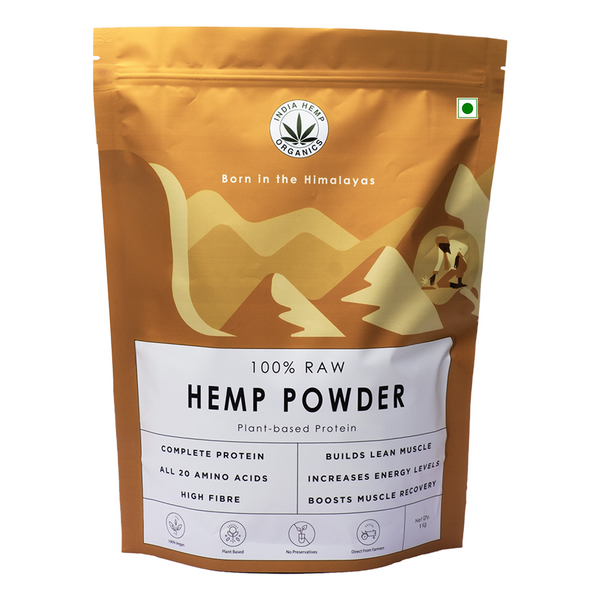
For example, Suspire’s product range includes India Hemp Organics Hemp Protein Powder 500g and Hemp Powder – Chocolate Hazelnut 500g. These are nutritional hemp products and should not automatically be treated as CBD products.
Other products listed on Suspire include gummies and extract-based formulations that specifically identify Vijaya or Cannabis leaf extract in their ingredients.
The distinction matters because the words hemp, cannabis, Vijaya and CBD are not interchangeable. Always check the individual product’s ingredients, formulation, stated use and regulatory information.
Hemp vs Cannabis: Why the Difference Matters
Hemp and cannabis are closely related botanical terms, but the legal treatment of cannabis-derived material in India depends on the relevant law and the form in which the material is used.
Under the Narcotic Drugs and Psychotropic Substances (NDPS) Act, the definition of cannabis includes charas, ganja and certain mixtures or preparations. The Act’s definition of ganja refers to the flowering or fruiting tops of the cannabis plant, excluding seeds and leaves when they are not accompanied by the tops.
This distinction is important, but it should not be interpreted as meaning that every product made from cannabis leaves is automatically legal. Other laws, product classifications, licensing requirements and conditions may also apply.
The practical takeaway is simple: the part of the plant used is relevant, but it is not the only factor that determines whether a finished product can legally be manufactured, marketed or sold.
CBD, Vijaya Extract and Hemp Seed Products: What Is the Difference?
What is CBD?
CBD, or cannabidiol, is a cannabinoid found in cannabis plants. CBD is generally described as non-intoxicating, unlike THC, which can produce psychoactive effects. However, a product’s effects and suitability depend on its complete formulation, concentration and other ingredients.
It is important not to assume that a product contains CBD simply because its name includes the word “hemp” or “cannabis.”
What is Vijaya extract?
Vijaya is a term used in Ayurvedic contexts for cannabis-related ingredients. Some Suspire product listings specifically identify Vijaya or Cannabis leaf extract in their formulations.
The name alone does not establish the product’s cannabinoid content, strength, intended use or legal status. Those details need to be verified through the product label, supporting documentation and applicable regulatory information.
What is hemp seed oil or hemp protein?
Hemp seeds are used in nutritional products, including hemp protein and hemp-derived oils. These should not automatically be considered CBD products or treated as equivalent to extracts made from other parts of the cannabis plant.
Always identify the actual ingredient before comparing products. A hemp protein powder, a seed-derived oil and a Vijaya extract formulation can belong to very different product categories.
Common Hemp and Cannabis Product Formats
The products listed in Suspire’s range illustrate the variety available in this category.
1. Gummies
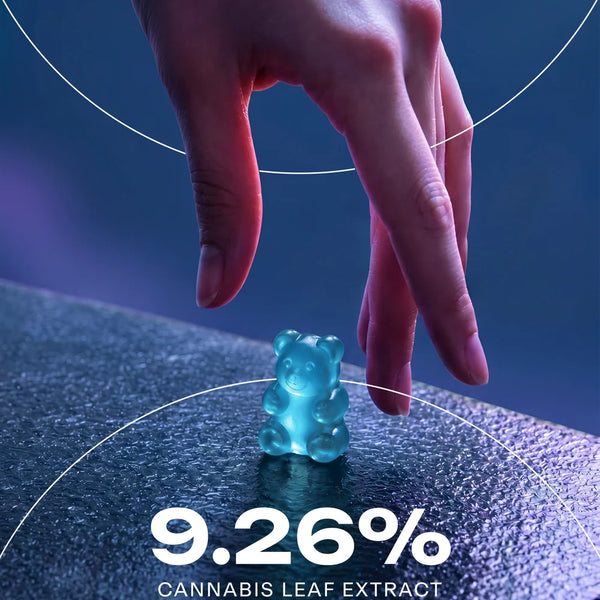
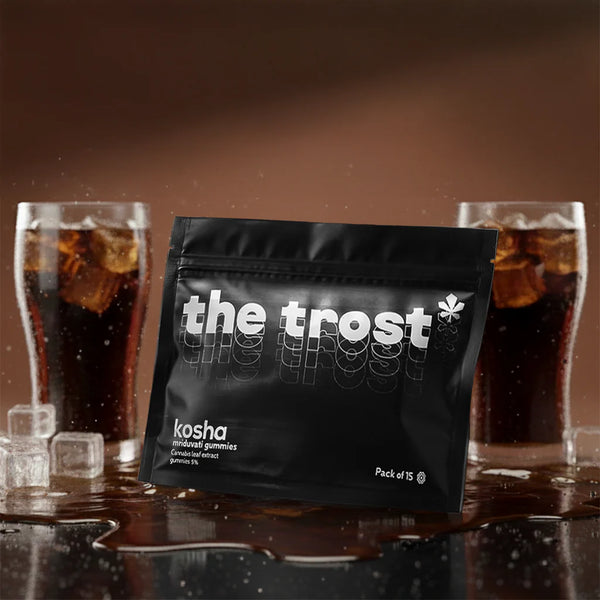
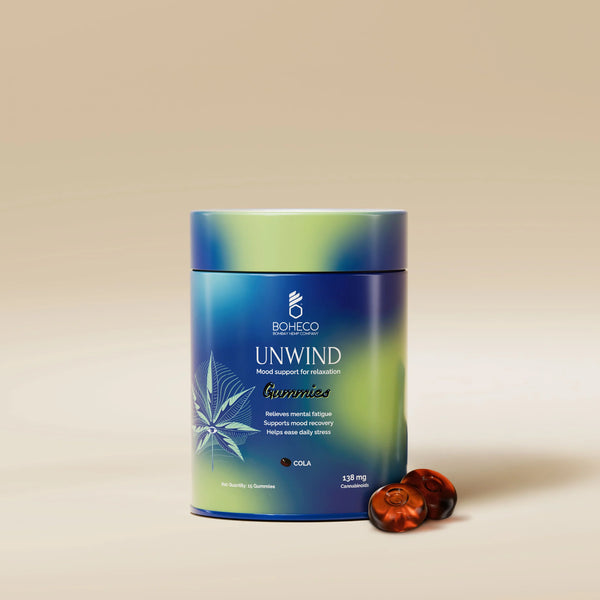
The supplied Suspire product list includes products such as Trost Mello Gummies, Trost Kosha Gummies, Calma Anti-Anxiety Gummies, Boheco UNWIND, Boheco BLISS, Indie Extract Full Spectrum Vijaya Leaf Gummies, CannazoIndia Uplift Gummies and Cure by Design Drift Gummies.
Their ingredients and formulations can differ. A product’s name or extract percentage alone is not enough to establish how it should be used or whether it is suitable for a particular person.
2. Extracts and pastes
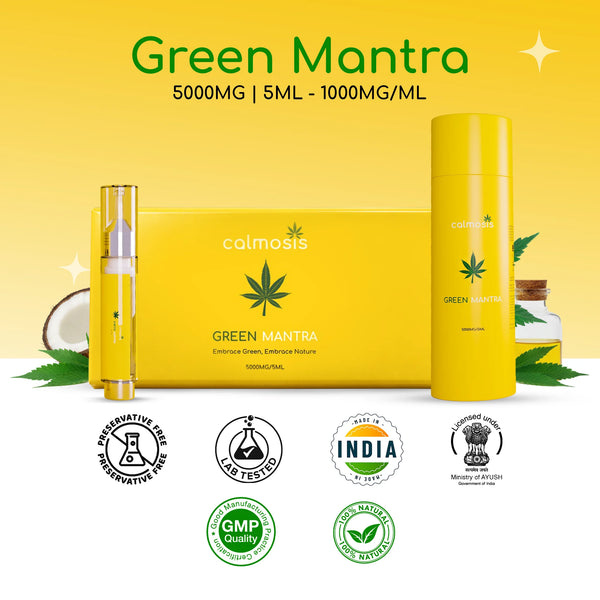
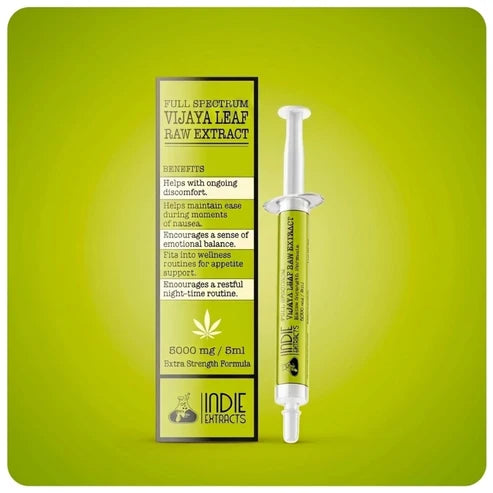
The product list includes Calmosis Green Mantra, described as a full-spectrum Vijaya extract paste.
Extract-based products should be evaluated according to their specific formulation, label, instructions and applicable regulatory classification rather than being treated as interchangeable with gummies or nutritional hemp products.
3. Hemp protein and powder
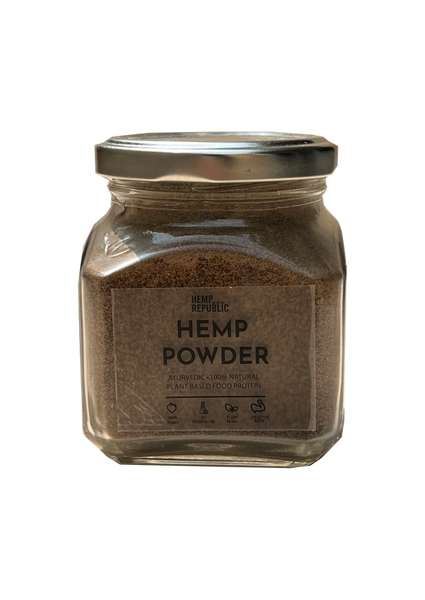
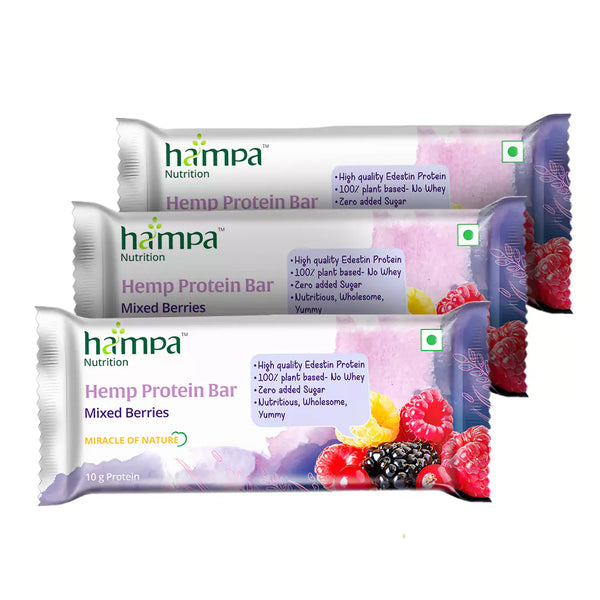
Hemp protein powder and other hemp-derived nutritional powders represent a different side of the category. Consumers should review the ingredient list and product information rather than assuming that a nutritional hemp product contains CBD.
4. Hemp herbal products
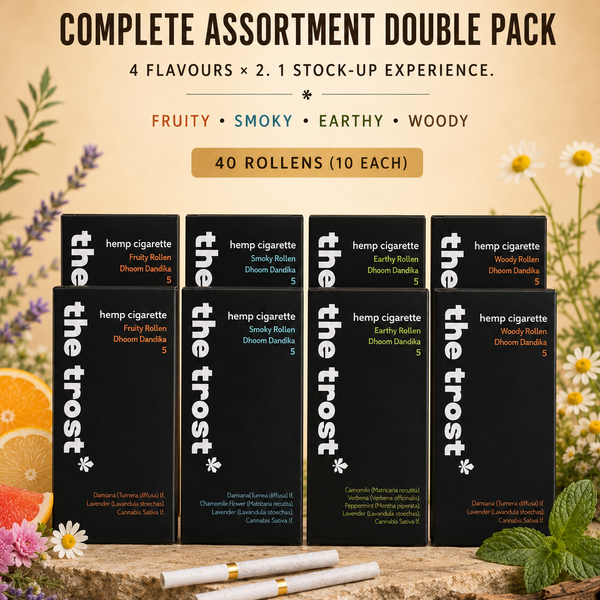
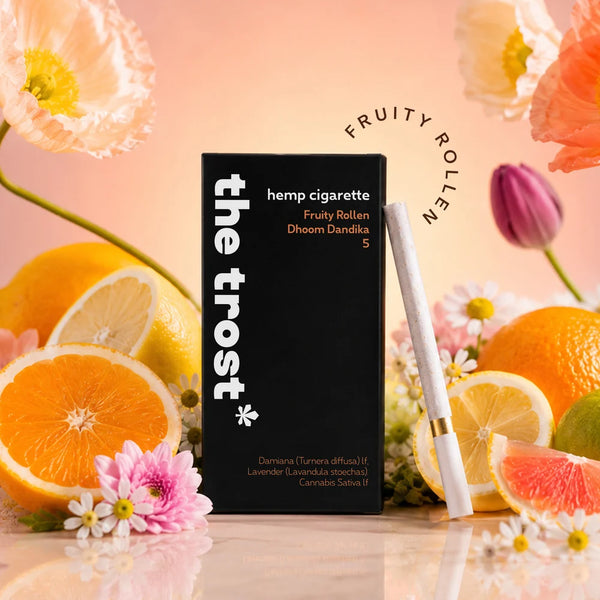
The supplied list also includes hemp herbal cigarette products. These should be assessed separately from edible products and nutritional powders. The word “hemp” alone does not establish the composition, health effects or regulatory status of a product.
Are Hemp and Cannabis Wellness Products Legal in India?
There is no single answer that applies to every hemp or cannabis-derived product. Legality depends on the product’s ingredients, source material, formulation, classification and the laws and licences applicable to its manufacture and sale.
India’s NDPS Act distinguishes between different cannabis materials. Separately, certain Ayurvedic medicines containing ingredients listed under Schedule E(1) of the Drugs and Cosmetics Rules carry specific requirements for medical supervision.
The Central Consumer Protection Authority (CCPA) issued an advisory on 14 July 2022 concerning e-commerce platforms facilitating the sale of Ayurvedic, Siddha and Unani drugs containing Schedule E(1) ingredients. The advisory states that platforms should facilitate such sales only after a valid prescription from the relevant registered practitioner has been uploaded by the user or patient. Rule 161(2) also provides for a medical-supervision caution on applicable internal-use medicines containing Schedule E(1) substances.
These requirements should not be generalised to every product labelled hemp, CBD or cannabis. Product classification and the applicable rules must be assessed individually. Official Ministry of AYUSH material has also distinguished CBD from Ayurvedic, Siddha and Unani medicines under the Drugs and Cosmetics framework.
For businesses and online marketplaces, this means that simply listing a product online or displaying a certificate is not enough to establish compliance. The relevant product approvals, licences, prescription requirements, labelling and sales process must be checked for that specific product.
For consumers, the safest approach is to verify the product’s regulatory information and follow any applicable prescription and medical-supervision instructions.
What Should You Check Before Buying?
Before purchasing a hemp or cannabis-derived product, review the following points.
1. Product ingredients and formulation
Read the complete ingredient list. Check whether the product contains hemp seed ingredients, Vijaya or Cannabis leaf extract, CBD, THC or other listed ingredients. Do not assume that products with similar names have the same formulation.
2. Licence and regulatory details
Look for the manufacturer’s details and the applicable licence or regulatory information. Where a product is represented as an Ayurvedic medicine, verify the relevant product classification and licensing information rather than relying on marketing language alone.
A certificate or licence should be relevant to the specific product and its category. It should not be treated as universal proof that every product from the same brand is lawful or suitable for everyone.
3. Strength and batch information
Check the stated extract strength, cannabinoid information where provided, batch details and available quality-testing information. If information is missing or unclear, ask the seller or manufacturer for clarification.
4. Required warnings and instructions
Read the label carefully. Applicable products may require a medical-supervision warning, and products with prescription requirements must follow the relevant prescription process.
5. Medical suitability
A product’s legal availability does not automatically mean it is appropriate for every person. Suitability may depend on health history, other medicines, the formulation and the intended use. Do not self-prescribe or change prescribed treatment based on product marketing.
How Does Suspire Handle Prescription-Based Products?
Suspire’s product messaging states that certain products are prescription-based and that a doctor will consult the customer after purchase before the order proceeds. The process is presented as a way to discuss the customer’s requirements and relevant health history and assess whether the product is medically appropriate.
For these products, customers should follow the instructions on the specific product page and complete the stated consultation process.
An after-purchase consultation should not be assumed to replace a legally required prescription upload or verification step. Where the applicable rules require a valid prescription before an e-commerce sale is facilitated, the seller or platform must ensure that the process meets that requirement.
This distinction is important: a doctor consultation, product quality checks and legal compliance are related but separate considerations.
A Beginner’s Checklist Before Buying
Before choosing a hemp or cannabis-derived product, ask:
-
What are the actual ingredients and formulation?
-
Is it a nutritional hemp product or an extract-based formulation?
-
What strength or concentration is stated?
-
Are manufacturer, batch and relevant regulatory details available?
-
Is quality-testing information provided?
-
Are the required warnings and instructions present?
-
Does the product require a prescription or medical supervision?
-
Does the sales process meet the applicable prescription requirements?
-
Is the product suitable for my individual circumstances?
-
Have I consulted an appropriate healthcare professional where needed?
Taking these steps can help consumers make more informed decisions without relying on broad labels such as “natural,” “hemp-based” or “full-spectrum.”
Final Thoughts
Hemp and cannabis-derived products in India include several distinct categories, from nutritional hemp powders to Vijaya extract formulations and other cannabinoid products. They should not all be compared or treated in the same way.
The legal distinction between different parts of the cannabis plant matters, but it does not establish that every finished product is automatically lawful to sell. Product classification, applicable licences, labelling, prescription requirements and the sales process also matter.
Before purchasing, verify the ingredients, formulation, regulatory information and instructions for the specific product. Where a prescription or medical supervision is required, follow the applicable process and seek professional guidance.
The goal is not simply to find a product or the strongest formulation. It is to understand what the product contains, whether it is legally marketed for its category, and whether it is appropriate for you.
FAQs
1. Are hemp and CBD products the same?
Ans: No. Hemp is a broad term used for different plant-derived ingredients and products. CBD is a specific cannabinoid. Hemp protein powder, for example, should not automatically be considered a CBD product.
2. Is every cannabis-derived product legal in India?
Ans: No blanket conclusion applies to every product. Legal treatment depends on the ingredients, plant material, formulation, product classification, applicable licences and relevant legal requirements.
3. What is Vijaya extract?
Ans: Vijaya is a term used in Ayurvedic contexts for cannabis-related ingredients. Some products specifically list Vijaya or Cannabis leaf extract, but the name alone does not establish the full composition, strength or legal status.
4. Is CBD the same as Vijaya extract?
Ans: No. CBD is a specific cannabinoid, while Vijaya extract is a broader ingredient description used in some product listings. The terms should not be treated as interchangeable without verified formulation information.
5. Do some hemp or cannabis-derived products require a prescription?
Ans: Yes. Certain products may be prescription-based or subject to medical-supervision requirements. Check the product’s classification, label and applicable requirements rather than assuming the same rules apply to every product.
6. Does a doctor consultation automatically make a product legally compliant?
Ans: No. A consultation may support an assessment of medical suitability, but it does not by itself establish legal compliance. Where the applicable rules require a valid prescription to be uploaded or verified before a sale, that requirement must also be met.
7. What should I check before buying a Vijaya or CBD product?
Ans: Review the ingredients, formulation, stated strength, manufacturer details, relevant licence information, batch and testing information, warnings, usage instructions and prescription requirements. Seek clarification if any important detail is missing.
8. Does a certificate mean a product is completely safe?
Ans: No. A certificate or licence may address a particular regulatory or quality requirement, but it is not a guarantee that a product is risk-free or suitable for every person. Product quality, legal compliance and individual medical suitability are separate considerations.
9. Can I choose a product based only on its extract percentage?
Ans: No. Extract percentages alone may not provide enough information to compare products. Formulation, ingredients, cannabinoid profile, instructions and medical suitability also matter.
10. What should I do if I am unsure whether a product is suitable for me?
Ans: Read the product information and consult an appropriately qualified healthcare professional. Do not self-prescribe, and follow the prescription and medical-supervision requirements applicable to the product.


