

Eye Cream vs Eye Serum: Which Works Better for Dark Circles?

Eye serum is generally more effective for dark circles specifically, since its lightweight, concentrated formula delivers active ingredients like caffeine, vitamin C, or retinoids more directly to the thin under-eye skin. Eye cream is richer and better suited to dryness, fine lines, and general hydration around the eyes. For dark circles caused by thinning skin, pigmentation, or visible blood vessels, a targeted serum usually shows more noticeable results than a standard cream.
Why the Under-Eye Area Needs Different Rules
The skin around your eyes is thinner, more delicate, and ages differently from the rest of your face, which is exactly why eye-specific products exist in the first place. But not all eye products are built for the same job, and dark circles are a good example of a concern where the format you choose genuinely changes the results.
Dark circles themselves aren't one single problem. They can come from thinning skin that reveals blood vessels underneath, pigmentation, fluid retention causing puffiness and shadowing, or simply fatigue and genetics. Which product works best partly depends on which of these is actually driving your dark circles.
What Eye Serum Actually Does
Eye serums are lightweight, fast-absorbing formulas with a higher concentration of active ingredients relative to their base. Because they contain less oil and heavier emollients than cream, actives like caffeine, vitamin C, retinoids, or niacinamide can penetrate the thin under-eye skin more directly and efficiently.
This makes serum particularly effective for dark circles caused by pigmentation or visible blood vessels, where a targeted active ingredient genuinely needs to reach and affect the skin, rather than just sitting on the surface.
Where eye serum works best:
-
Dark circles linked to pigmentation or thinning skin
-
Puffiness, when formulated with caffeine or other vasoconstricting ingredients
-
Layering under makeup, since it absorbs quickly without feeling heavy
Where it may fall short:
-
Less effective for very dry, crepey under-eye skin that needs richer hydration
-
Some potent actives (like retinoids) can be irritating on the sensitive eye area if introduced too quickly
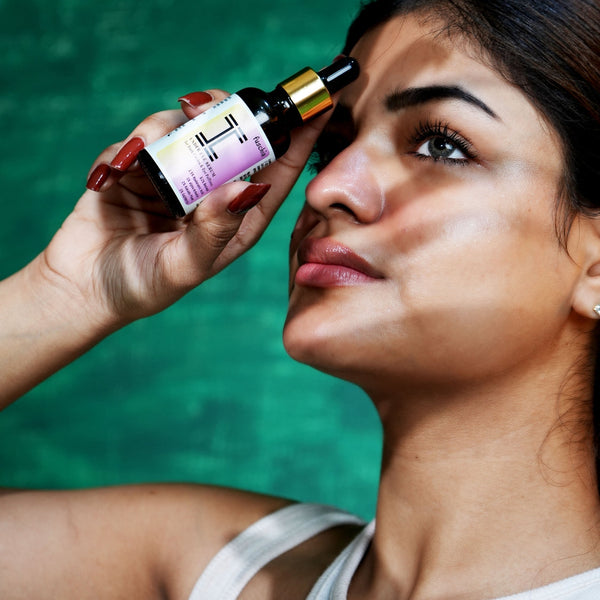
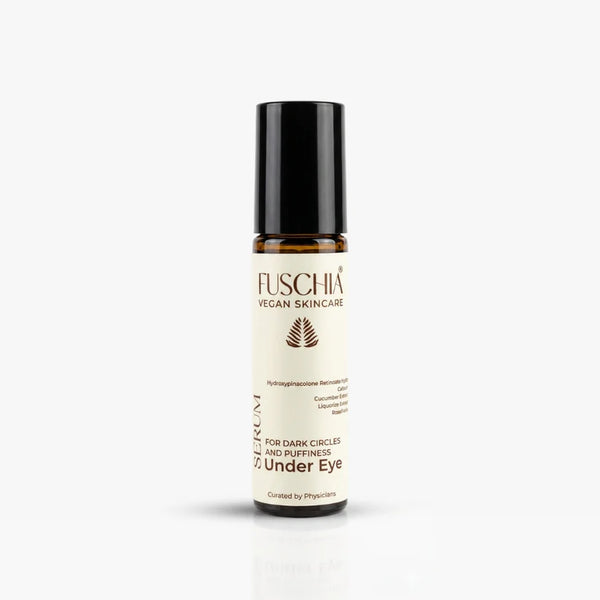
For dark circles and puffiness specifically, Fuschia Under Eye Serum Roll On combines Hydroxypinacolone Retinoate, cucumber extract, liquorice extract, and caffeine in a convenient roll-on applicator.
What Eye Cream Actually Does
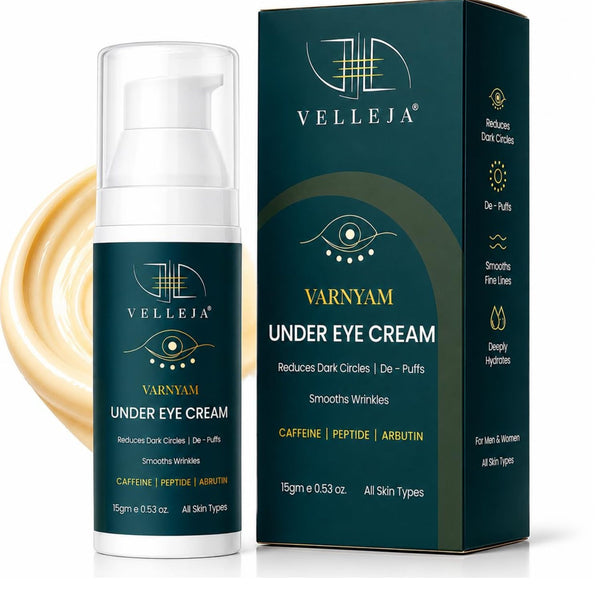
Eye cream is a richer, more emollient formula, generally built around ingredients like shea butter, ceramides, or hyaluronic acid to provide deeper, longer-lasting hydration. It's less about delivering a targeted active ingredient and more about protecting and nourishing the delicate skin barrier around the eyes.
This makes eye cream particularly useful for dark circles that are worsened by dryness, since dehydrated skin can appear more sunken and shadowed, making circles look more pronounced than they actually are.
Where eye cream works best:
-
Dry, crepey, or ageing under-eye skin that needs richer hydration
-
Nighttime routines, where a heavier formula has time to absorb without interfering with makeup
-
Fine lines and general skin barrier support around the eyes
Where it may fall short:
-
Generally lower concentration of active ingredients compared to serum
-
Richer texture can feel heavy or contribute to product buildup under makeup
Eye Serum vs Eye Cream: Quick Comparison
|
Factor |
Eye Serum |
Eye Cream |
|
Texture |
Lightweight, fast-absorbing |
Rich, more emollient |
|
Active ingredient concentration |
Higher |
Lower, hydration-focused |
|
Best for dark circles from |
Pigmentation, thinning skin, puffiness |
Dryness-related shadowing |
|
Best time to use |
Morning, under makeup |
Night, or as a richer daily layer |
|
Best for |
Targeted concerns (dark circles, puffiness) |
Hydration, fine lines, barrier support |
A Note on What's Available Here
Suspire's under-eye range currently leans toward serum formats rather than a dedicated, separate eye cream. If your dark circles are more dryness-related than pigmentation-related, a rich facial moisturiser applied gently around the eye area (avoiding the immediate lash line) can serve a similar hydrating role in the meantime.
Can You Use Both?
Yes, and for many people this combination addresses dark circles more completely than either product alone. A common approach is applying a targeted serum in the morning for active ingredients and lightweight wear under makeup, then a richer cream at night when deeper hydration matters more and there's no makeup to consider.
As with facial skincare, the general rule is lighter formulas first, richer formulas after, so serum goes on before cream if you're layering both in the same routine.
How to Choose Based on Your Dark Circles
Circles look brownish or pigmented? A serum with brightening actives like vitamin C or niacinamide will likely help more.
Circles look bluish or shadowy, with visible thinness? Caffeine-based serums can help by temporarily reducing the appearance of blood vessels.
Under-eye area looks dry, crepey, or fine-lined? Prioritise a richer hydrating formula, cream or a nourishing serum.
Not sure what's causing yours? Start with a gentle, multi-purpose serum and track how your skin responds over 4-6 weeks before adjusting.
Quick Summary
For dark circles specifically, eye serum generally wins thanks to its higher concentration of active ingredients and ability to penetrate the thin under-eye skin more effectively. Eye cream still plays an important role for dryness, fine lines, and general skin barrier support. Many people get the most complete results by using a serum for targeted treatment and a cream for hydration, layered thoughtfully into their routine.
FAQs
Q1. Why is eye serum better for dark circles than eye cream?
Ans: Eye serum has a higher concentration of active ingredients and a lighter texture, allowing it to penetrate the thin under-eye skin more effectively. This makes it better suited to targeting pigmentation, visible blood vessels, and puffiness, which are common causes of dark circles.
Q2. Can dryness actually make dark circles look worse?
Ans: Yes, dehydrated under-eye skin can appear more sunken and shadowed, making existing dark circles look more pronounced than they otherwise would. This is why a rich, hydrating formula sometimes visibly improves the appearance of dark circles, even without a targeted brightening ingredient.
Q3. How long does it take to see results from an eye serum?
Ans: Most people need consistent use for 4 to 8 weeks before seeing a noticeable difference, since skin cell turnover and pigmentation changes take time. Caffeine-based formulas can offer a more immediate, temporary reduction in puffiness, but deeper changes take longer.
Q4. Is it safe to use retinoid-based eye serum daily?
Ans: It depends on the concentration and your skin's sensitivity. Retinoids can be irritating on the delicate eye area, so it's generally recommended to start with a few uses per week and increase gradually, or opt for gentler retinoid derivatives formulated specifically for the eye area.
Q5. Can I use my regular face serum or moisturiser around my eyes instead?
Ans: It's generally better to use eye-specific formulas, since facial products can be too strong or contain ingredients not suited for the thinner under-eye skin. Eye-area products are typically formulated to be gentler and safer for use close to the eyes.
Q6. What causes dark circles besides lack of sleep?
Ans: Genetics, thinning skin that reveals blood vessels, pigmentation, allergies, and fluid retention can all contribute to dark circles, independent of sleep quality. This is why some people with good sleep habits still have persistent dark circles, and why identifying the underlying cause helps in choosing the right treatment.


