

Conditioner vs Hair Mask: Which Does Your Hair Actually Need?

Conditioner is a lightweight, everyday product used after every wash to smooth the hair surface, reduce friction, and make hair easier to detangle. A hair mask is a more concentrated, deeper treatment used once or twice a week, left on longer, and designed to address specific concerns like dryness, damage, or frizz. Most hair actually needs both: conditioner for daily maintenance, and a hair mask for the deeper repair that a quick rinse-out formula can't fully deliver.
Why People Mix These Two Up
Conditioner and hair mask often sit next to each other on the shelf, look fairly similar, and both promise softer, smoother hair, so it's easy to assume they do the same job at different price points. They don't. Conditioner and hair mask are formulated for different levels of intensity, and using only one when your hair actually needs both usually means you never quite get the results you're expecting.
The hair shaft itself can't repair or regenerate, since it's made of dead cells. What conditioners and masks actually do is coat the strand and fill in damaged areas of the outer cuticle, leaving hair smoother and easier to manage, just at different depths and durations.
What Conditioner Actually Does
Conditioner is designed for daily or every-wash use. Its main job is to reduce friction between hair strands, so brushing and combing don't cause unnecessary breakage, and to leave hair feeling soft and manageable right after washing.
Because it's meant to be quick, most conditioners are left on for just a few minutes and rinsed out, working on the surface of the hair rather than penetrating deeply.
Where conditioner works best:
-
Everyday maintenance after each shampoo wash
-
Reducing tangles and making hair easier to comb or style
-
Light, ongoing hydration for hair that isn't significantly damaged
Where it falls short:
-
Not intensive enough for very dry, damaged, or chemically treated hair
-
Short contact time limits how deeply it can address structural damage
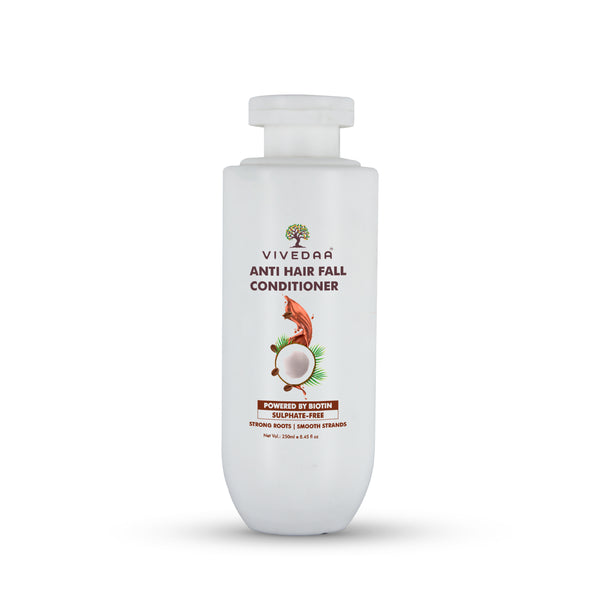
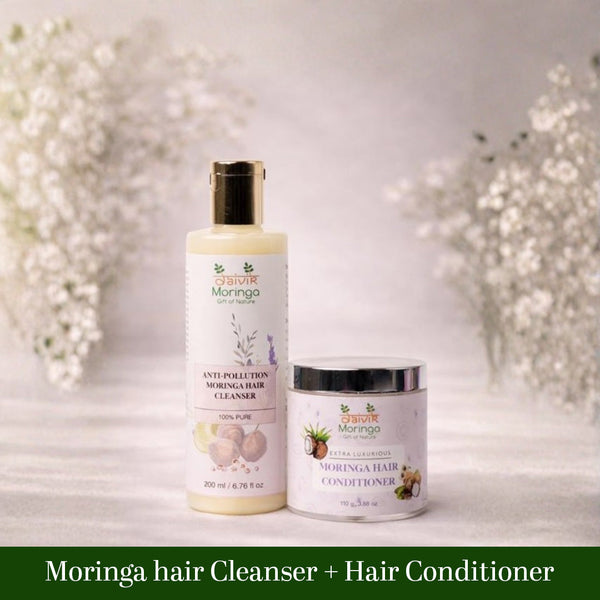
For daily use, No Rubbish Deep Conditioner for Natural Hair fights frizz and dryness in a bottle made from recycled plastic, suited to regular washing routines.

What a Hair Mask Actually Does
A hair mask is a more concentrated treatment, typically richer in active ingredients like oils, proteins, or humectants, and formulated to stay on the hair for 10 to 30 minutes, sometimes longer. This extended contact time allows it to penetrate more deeply into the hair shaft rather than just coating the surface.
Hair masks are generally used once or twice a week rather than daily, since their job is targeted repair and intensive hydration, not routine upkeep.
Where a hair mask works best:
-
Dry, damaged, or chemically treated hair that needs deeper repair
-
Frizz control and smoothing for textured or curly hair types
-
Weekly intensive treatment alongside a lighter daily conditioner
Where it may not be necessary:
-
Healthy, undamaged hair may not need the intensity a mask provides as often
-
Overusing a rich mask on fine hair can leave it feeling weighed down or greasy
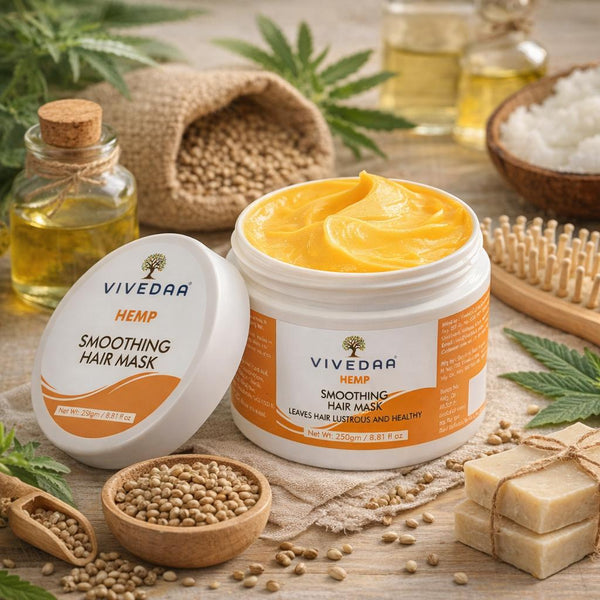
For dry, frizzy, or damaged hair specifically, ThriveCo Ultimate Hair Mask with Hyaplex™ is formulated to smooth frizz, repair damage, and strengthen hair with an intensive weekly treatment.

Conditioner vs Hair Mask: Quick Comparison
|
Factor |
Conditioner |
Hair Mask |
|
Frequency |
Every wash |
1-2 times a week |
|
Leave-on time |
1-5 minutes |
10-30+ minutes |
|
Penetration |
Surface-level coating |
Deeper into the hair shaft |
|
Best for |
Daily detangling, light hydration |
Damage repair, intensive hydration |
|
Texture |
Lightweight |
Rich, concentrated |
Does Your Hair Actually Need Both?
For most hair types, yes. Conditioner handles the daily upkeep, keeping hair manageable and reducing everyday friction damage, while a hair mask handles the deeper repair work that a quick rinse-out formula simply doesn't have time to do.
The exception is genuinely healthy, undamaged hair with minimal styling or chemical treatment, which may do fine with conditioner alone or an occasional mask rather than a strict weekly routine. Hair that's chemically treated, colour-processed, heat-styled regularly, or naturally dry and curly tends to benefit most from adding a weekly mask.
To explore the full range, browse our hair serum and mask collection, which includes deep-conditioning treatments and masks for every hair type.
How to Choose Based on Your Hair
Healthy, low-maintenance hair? A good daily conditioner is likely enough, with a mask reserved for occasional deep treatment.
Dry, frizzy, or curly hair? Add a weekly hair mask to your routine alongside daily conditioner.
Chemically treated, coloured, or heat-styled regularly? A hair mask isn't optional here, it's the treatment that actually addresses structural damage.
Fine or oily hair? Use a lighter conditioner daily and a mask sparingly, focused only on the mid-lengths and ends to avoid weighing hair down.
Quick Summary
Conditioner and hair mask aren't interchangeable, they work at different depths and frequencies. Conditioner is the daily essential that keeps hair manageable and reduces everyday damage, while a hair mask is the weekly deep treatment that addresses dryness, damage, and frizz more intensively. Most hair benefits from having both in rotation, rather than choosing one over the other.
FAQs
Q1. Can I use a hair mask instead of conditioner every day?
Ans: It's not generally recommended. Hair masks are formulated to be richer and more concentrated, so daily use can leave hair feeling heavy, greasy, or weighed down, especially for fine hair. Conditioner is designed for that daily role, with a mask reserved for weekly deeper treatment.
Q2. How often should I use a hair mask?
Ans: Once or twice a week is the general recommendation for most hair types, though very dry or damaged hair may benefit from slightly more frequent use, while fine or oily hair may need it less often. It's worth adjusting based on how your hair responds.
Q3. Do I still need conditioner if I use a hair mask regularly?
Ans: Yes, they serve different purposes. Conditioner handles daily detangling and light hydration after every wash, while a hair mask provides periodic, deeper treatment. Skipping conditioner on non-mask days can leave hair harder to manage day to day.
Q4. Does a hair mask actually repair damaged hair?
Ans: Not biologically, since hair is made of dead cells that can't regenerate. What a hair mask does is fill in gaps in the damaged cuticle and coat the strand, which significantly improves how damaged hair looks and feels, even though it isn't a permanent structural repair.
Q5. Can fine hair use a hair mask without feeling weighed down?
Ans: Yes, by applying it only to the mid-lengths and ends rather than the roots, and choosing a lighter formula. This targets the areas that actually need intensive treatment while avoiding excess product buildup near the scalp, which is what typically causes fine hair to feel flat.
Q6. Is leave-in conditioner the same as a hair mask?
Ans: No, leave-in conditioner is a lightweight, daily product left in the hair without rinsing, mainly for ongoing manageability and light protection. A hair mask is a rinse-out treatment, more concentrated, and used less frequently for deeper, more intensive repair.


