

Body Lotion vs Body Oil: Which Moisturises Skin Better?

Body lotion contains water along with oils and emollients, making it lightweight, fast-absorbing, and a solid everyday choice for normal to combination skin. Body oil is pure oil with no water content, and works by sealing in moisture rather than adding it, which makes it especially effective for very dry skin or as a finishing step after a water-based product. Neither is strictly "better", they moisturise through different mechanisms, and many people get the best results using both.
Why This Choice Isn't as Simple as It Looks
Body lotion and body oil both promise soft, hydrated skin, and both sit in the same aisle, so it's easy to assume they're interchangeable. They're not, and the difference comes down to basic chemistry: lotion is an emulsion of water and oil, while oil is, quite simply, oil.
That difference changes how each product actually behaves on skin, how fast it absorbs, and what kind of dryness it's actually suited to address.
What Body Lotion Actually Does
Body lotion is an emulsion, water blended with oils, emollients, and often humectants like glycerin, held together with an emulsifier. Because water makes up a significant portion of most lotions, they tend to feel lighter, absorb faster, and spread more easily than oil.
The water content also means lotion is actively adding hydration to the skin, not just sealing in what's already there, which is one reason it's often recommended as the default, everyday moisturiser for most skin types.
Where body lotion works best:
-
Everyday use for normal, combination, or mildly dry skin
-
Fast absorption, ideal before getting dressed or during a quick routine
-
Adding hydration, not just sealing in existing moisture
Where it may fall short:
-
May not be rich enough for very dry, flaky, or severely dehydrated skin
-
Some formulas need reapplication more often since the water content evaporates
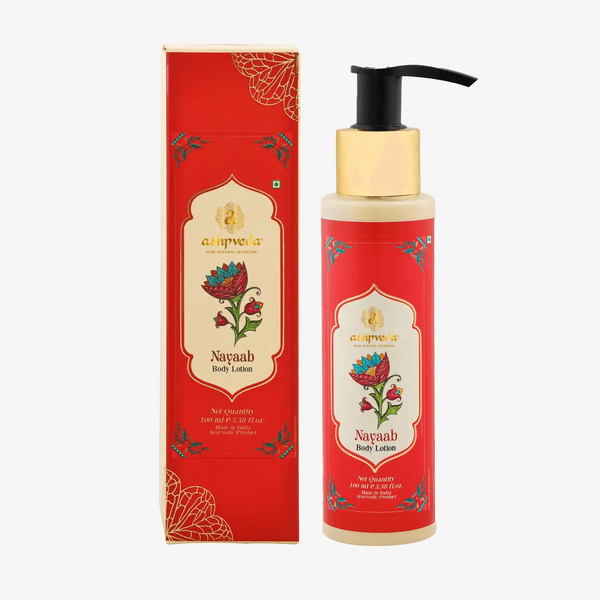
For daily hydration, Careberry Hemp Seed Oil & Ginseng Calming Body Lotion offers intense moisture in a non-greasy, silicone-free formula suited to everyday use.


What Body Oil Actually Does
Body oil contains no water at all, it's pure plant or botanical oil, sometimes blended with a few different oils for texture and benefits. Because there's no water to evaporate, body oil works primarily by sealing moisture into the skin and forming a protective layer that slows water loss.
This is why body oil is often described as an occlusive rather than a true moisturiser: it doesn't add hydration on its own, but it's highly effective at locking in whatever moisture is already there, which is especially useful right after a shower when skin is still damp.
Where body oil works best:
-
Very dry, flaky, or severely dehydrated skin that needs a heavier seal
-
Applying on damp skin right after a shower or bath, when it can lock in existing moisture
-
Adding shine and a finished look to skin, especially for special occasions
Where it may fall short:
-
Doesn't add water-based hydration on its own, less effective on completely dry skin with no moisture to seal in
-
Can feel heavier or take longer to absorb than lotion, less ideal for a quick routine
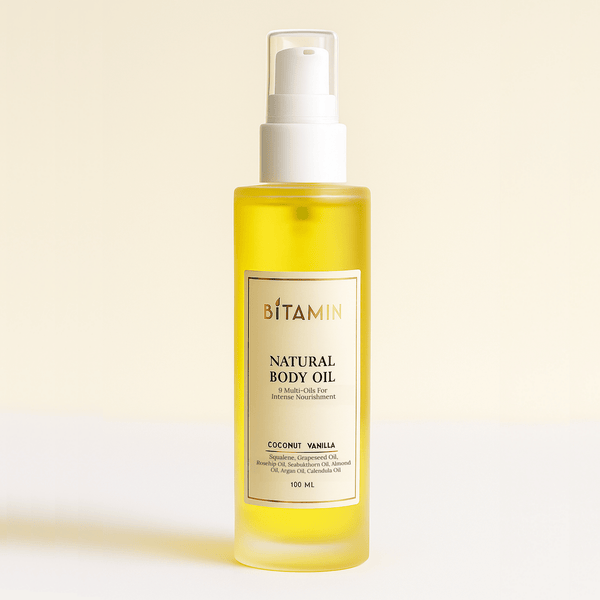
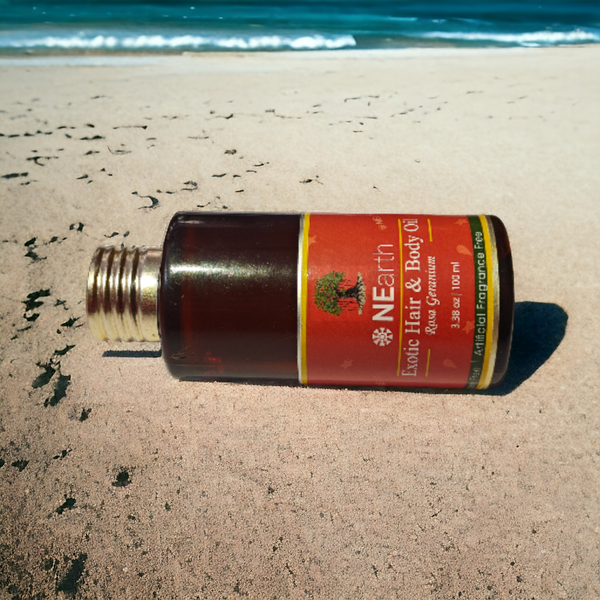
For a dedicated body oil, Skinvest Molten Gold Shimmer Body Oil Drops blends 10 botanical oils for deep hydration with a subtle, non-greasy shimmer finish.

Body Lotion vs Body Oil: Quick Comparison
|
Factor |
Body Lotion |
Body Oil |
|
Composition |
Water + oil emulsion |
Pure oil, no water |
|
How it hydrates |
Adds water-based hydration |
Seals in existing moisture |
|
Absorption speed |
Fast |
Slower, richer feel |
|
Best for |
Normal to mildly dry skin, daily use |
Very dry skin, post-shower sealing |
|
Best applied |
Anytime, dry or damp skin |
Immediately after showering, on damp skin |
Can You Use Both Together?
Yes, and for very dry skin or colder months, this combination often works better than either product alone. The general principle is water before oil: apply lotion first for water-based hydration, then a thin layer of body oil on top to seal that moisture in and prevent it from evaporating.
This layering approach mirrors how many face skincare routines already work, just applied to the rest of the body.
To explore the full range, browse our body lotion and moisturizers collection, and our massage and body oils collection.
How to Choose Based on Your Skin
Normal to combination skin, want something quick? Body lotion is the simpler everyday choice.
Very dry, flaky, or dehydrated skin? Body oil, ideally applied on damp skin, will seal in moisture more effectively.
Live in a dry or cold climate? Layer lotion first, then oil on top, for the most complete hydration.
Want a quick glow for an occasion? A lightweight body oil, especially a shimmer formula, gives an instant finished look.
Quick Summary
Body lotion and body oil moisturise skin through genuinely different mechanisms. Lotion, being part water, actively hydrates and absorbs quickly, making it the practical daily choice for most skin types. Body oil, being pure oil, seals in existing moisture rather than adding it, which makes it especially effective for very dry skin or when applied right after showering. For the most complete hydration, especially in dry climates, using both in layers, lotion first, then oil, tends to work best.
FAQs
Q1. Is body oil better than lotion for very dry skin?
Ans: Generally, yes, when applied to already-damp skin, since oil is effective at sealing in existing moisture. However, oil alone doesn't add hydration the way lotion does, so applying lotion first and oil on top often works better for very dry skin than oil by itself.
Q2. When should I apply body oil, before or after lotion?
Ans: Body oil should generally be applied after lotion, or directly onto damp skin post-shower. The principle is water before oil: lotion adds hydration, and oil seals it in, so applying oil first can actually block lotion from absorbing properly afterward.
Q3. Does body oil clog pores?
Ans: It depends on the specific oil and your skin type. Lightweight, non-comedogenic oils like jojoba or grapeseed are less likely to clog pores, while heavier oils may feel too rich for oily or acne-prone skin. Checking the specific oil used is more useful than assuming all oils behave the same way.
Q4. Can I use body oil on its own without lotion?
Ans: Yes, particularly if applied immediately after a shower or bath while skin is still damp, since the oil can seal in that existing moisture effectively. On completely dry skin with no moisture to lock in, oil alone tends to be less effective than pairing it with a water-based lotion first.
Q5. Why does my lotion need reapplying more often than oil?
Ans: Lotion contains water, which evaporates over time, meaning its hydrating effect can wear off faster, especially in dry or hot conditions. Oil forms more of a lasting barrier since there's no water content to evaporate, which is why it often feels longer-lasting on the skin.
Q6. Is body oil suitable for oily or acne-prone skin?
Ans: It can be, if you choose a lightweight, non-comedogenic oil rather than a heavy, rich formula. Some oils can help balance oil production when used correctly, but it's worth patch-testing first and choosing a formula specifically suited to oily or acne-prone skin.


