

Why More Indians Are Choosing Plant-Based Protein Snacks Over Traditional Snacks

More Indians are switching to plant-based protein snacks because they want snacks that are cleaner, more filling, and better aligned with health goals without giving up taste or convenience. Rising awareness, urban lifestyles, and better product options like roasted edamame India brands have made protein-rich snacks a practical everyday choice.
The Shift Is Already Happening
India's snacking culture is changing faster than most people realise. The traditional packet of namkeen, fried chips, or biscuit is no longer the automatic default for millions of urban Indians. Instead, people are reaching for options that offer more nutrition without sacrificing crunch or flavour.
That shift is not just an urban wellness trend. It is a broad behavioural change backed by real numbers. According to a Farmleys Healthy Snacking Report, 9 out of 10 Indian respondents are actively looking for healthier alternatives to traditional snacks, and nearly 60 percent are now choosing natural, additive-free products with wholesome ingredients like nuts, seeds, and whole grains. India's plant-based snack segment is also projected to grow at a 10.6 percent CAGR through 2036, one of the fastest rates globally.
Why Traditional Snacks Are No Longer Enough
Traditional Indian snacks like bhujia, fried mixture, and oily namkeen have been part of everyday eating for generations. The problem is not that they exist; it is that they are not well-suited for repeat daily snacking. They tend to be high in salt, refined flour, and oil, and low in protein and fiber.
That means after eating them, most people feel satisfied only briefly. The craving returns quickly. That cycle is one of the main reasons people are searching for protein-rich snacks that offer better staying power between meals.
The Protein Gap in Indian Snacking
India has a well-documented protein gap. Many everyday diets, even balanced ones, fall short of daily protein needs. For vegetarians and vegans, the challenge is even greater because traditional snack formats rarely address protein intake meaningfully.
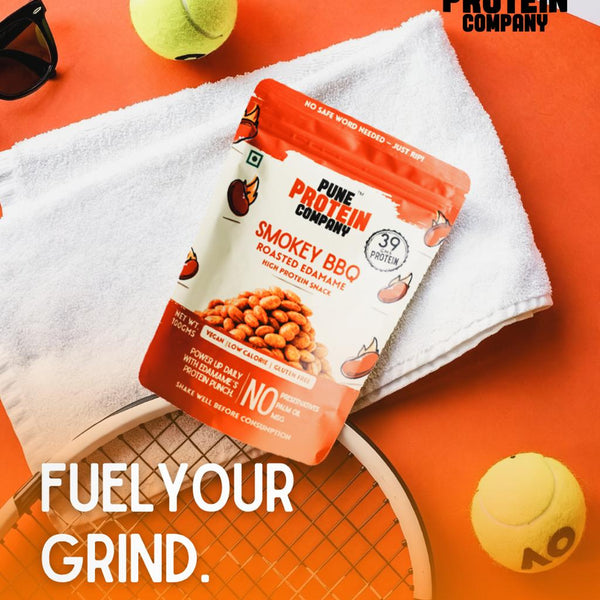
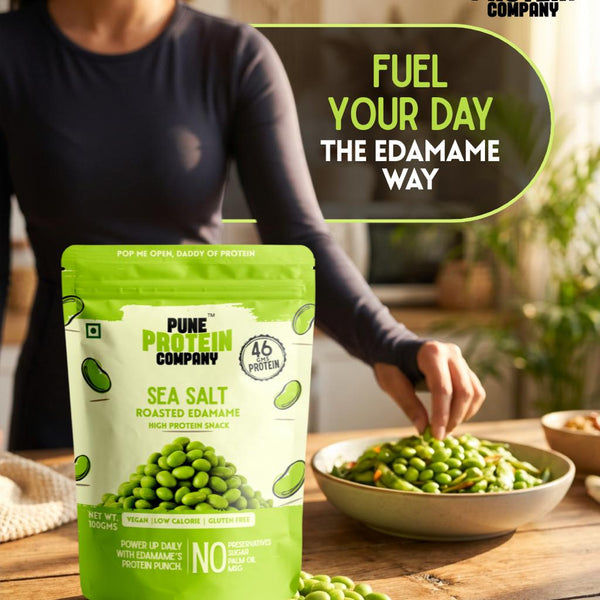
That is where plant-based protein snacks make a real difference. A snack like roasted edamame delivers up to 46 grams of protein per 100 grams, making it one of the most protein-dense options available in the healthy snacks India category. For context, that is significantly more than most nuts, seeds, or grain-based snacks.
Why Roasted Edamame Is Winning
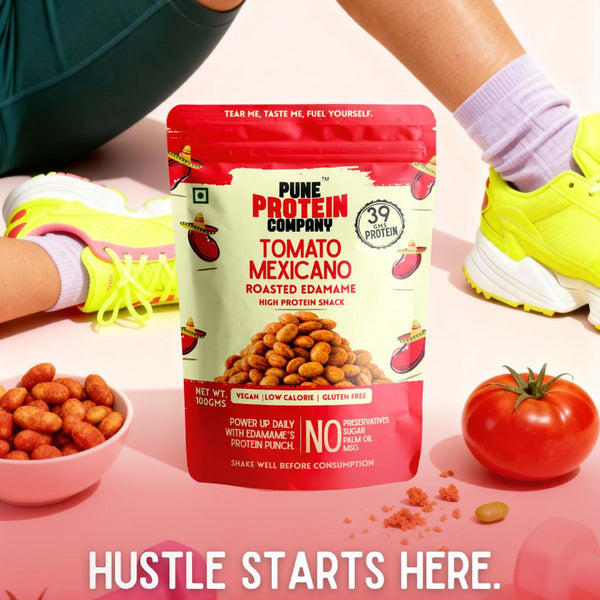
Among plant-based protein snacks, roasted edamame India products are growing quickly because they combine three things most snackers want: crunch, protein, and clean ingredients. They are naturally gluten-free, vegan, and require minimal processing compared to many protein bars or flavoured puff snacks.
They also come in a range of flavours that suit Indian palates well, sea salt, peri peri, nimbu pudina, cheese, and BBQ, which makes it easy for people to keep eating them consistently instead of treating them as a one-time health experiment.
The Urban Indian Snacker Is Changing
India's younger, urban consumers are driving this shift most visibly. They live with long commutes, screen-heavy workdays, and irregular meal timing. For this group, snacks are not just treats; they are functional nutrition gap fillers between meetings and meals.
That practical mindset is why plant-based and functional snacks are now among the top drivers of India's pantry spending in 2025. These consumers are not buying because of a vegan ideology. They are buying because the snack is good and keeps them fuelled.
Why Health Awareness Is Accelerating the Change
Indians are reading food labels more than ever before. Around 63 percent of consumers now actively seek nutritious snack options, and nearly 50 percent check ingredient labels before buying. That behaviour change means that products with long lists of additives, palm oil, and artificial flavours are facing growing scrutiny.
Clean-label snacks, including plant-based protein snacks, benefit directly from that mindset. If the ingredient list is short and recognisable, it tends to earn more trust.
How Healthy Snacking Fits the Indian Lifestyle
Plant-based snacking in India is not a Western import. It fits naturally into a culture that already has deep roots in vegetarianism, pulses, legumes, and whole-food cooking. That cultural baseline makes it easier for Indians to trust and adopt protein-rich snacks made from soybeans, chickpeas, lentils, and millets.
Roasted edamame, for example, comes from the soybean family, which is a familiar protein source in Indian cooking. In its roasted snack form, it just becomes more convenient and more concentrated than eating it in a meal.
[The Complete Guide to High-Protein Roasted Edamame: Benefits, Nutrition & Best Flavors]
What Makes a Plant-Based Snack Worth Switching To
Not every product labelled "healthy" or "plant-based" is genuinely worth choosing. The best plant-based protein snacks for healthy snacking usually have:
-
a clear, short ingredient list,
-
meaningful protein per serving,
-
some fiber for better satiety,
-
no palm oil or artificial preservatives,
-
and a taste that holds up well day after day.
When a snack meets all five, it becomes something people want to keep buying, not just try once.
Why Experts Recommend Protein-Forward Snacking
Nutritionists often recommend snacks with protein and fiber together because that combination is more effective at controlling hunger than carb-heavy or salt-heavy snacks alone. Plant-based protein snacks that meet this standard are among the best everyday options available for people who want to snack more mindfully without turning it into a complicated routine.
Quick Summary
More Indians are choosing plant-based protein snacks over traditional options because they want better nutrition, cleaner ingredients, and longer-lasting satisfaction. Products like roasted edamame India brands are growing because they deliver real protein in a convenient, flavourful format that fits modern lifestyles without compromising on taste.
FAQs
1. Why are plant-based protein snacks becoming popular in India?
Ans: Because urban Indians want snacks that are cleaner, more filling, and better for daily health. Rising label-reading habits and better product availability have made plant-based options more accessible and practical.
2. Is roasted edamame popular in India?
Ans: Yes, it is growing quickly. Roasted edamame India brands are gaining traction because the product is high in protein, clean in ingredients, and available in flavours that suit Indian taste preferences.
3. Are plant-based snacks suitable for vegetarians?
Ans: Yes, most plant-based protein snacks are fully vegetarian and many are vegan. They are especially useful for vegetarians who want to increase daily protein intake through convenient snack formats.
4. How do plant-based snacks compare to traditional namkeen?
Ans: Traditional namkeen is often high in salt, oil, and refined ingredients with low protein. Plant-based protein snacks like roasted edamame offer significantly more protein and fiber with cleaner ingredients, making them better suited for daily snacking.
5. What makes healthy snacking different from regular snacking?
Ans: Healthy snacking focuses on snacks that provide real nutrition, not just taste. Protein, fiber, and clean ingredients are the key markers of a snack that supports your day instead of just satisfying a craving temporarily.
6. Are protein-rich snacks only for gym-goers?
Ans: No. Protein-rich snacks benefit anyone who wants to stay fuller longer, reduce random cravings, or support their nutrition between meals. They are practical for busy professionals, students, and anyone trying to snack more mindfully.
7: What is driving India's healthy snacking trend?
Ans: A combination of rising health awareness, urbanisation, label-reading habits, and better product availability is driving the shift. Younger Indians especially want snacks that are functional, clean, and convenient.
8: Is roasted edamame a good everyday snack for Indians?
Ans: Yes, it fits well because it is high in plant protein, naturally vegetarian, flavourful, and requires no preparation. It suits the Indian snacking occasion, with tea, between meals, or during a workday, better than many imported health foods.


