

What Is a Reusable Straw Made Of? Understanding Sustainable Alternatives to Plastic

Reusable straws are typically made from stainless steel, bamboo, glass, or silicone, each offering a durable, washable alternative to single-use plastic. The right material depends on how you'll use it; steel and glass suit home use, while bamboo and silicone travel well and feel gentler for kids.
Why This Question Matters More Than It Seems
Plastic straws are one of the most common single-use items people are trying to cut out of daily life, but the switch to reusable ones raises a fair question: what are you actually replacing them with? Understanding the materials helps you pick one that fits your routine instead of buying something that ends up unused in a drawer.
Stainless Steel Straws
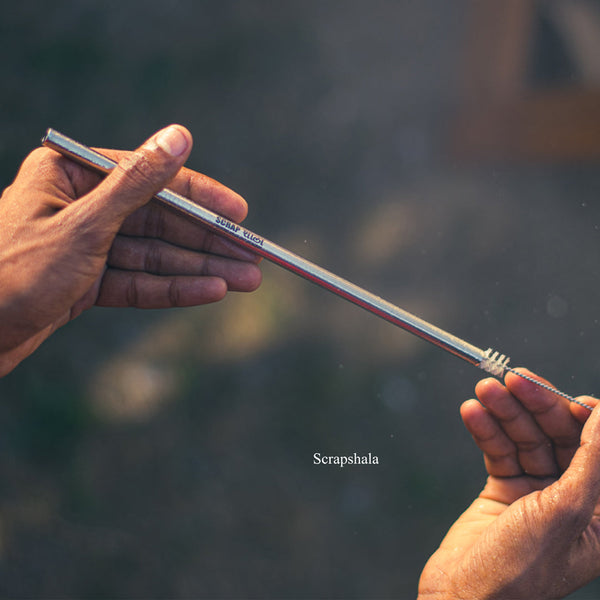
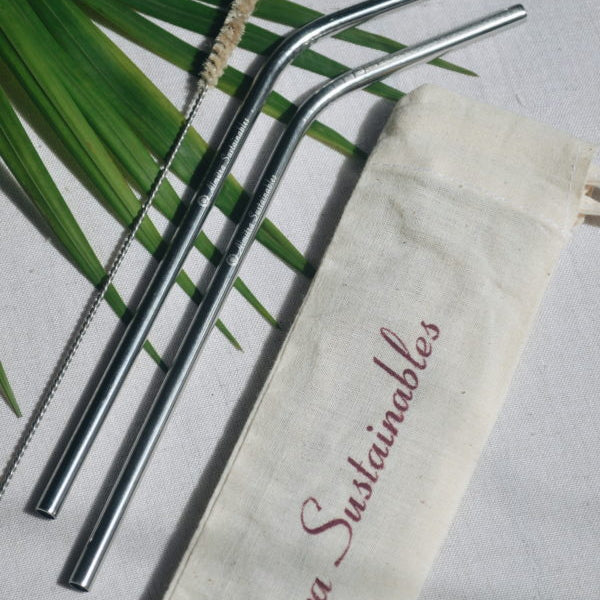
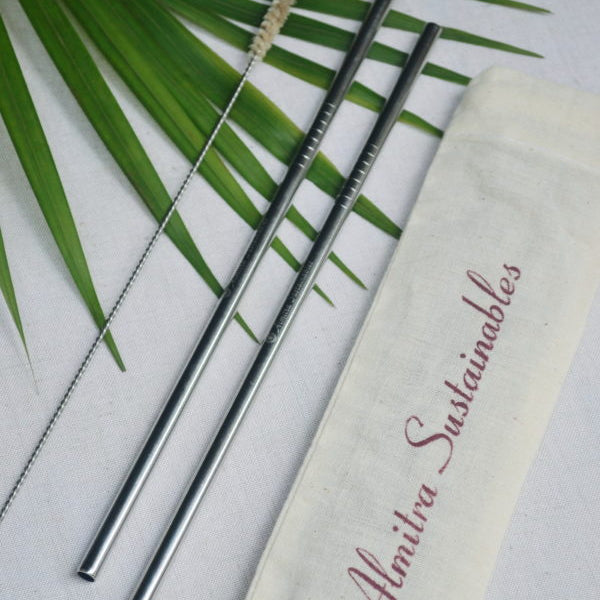
Stainless steel is the most common reusable straw material, and for good reason. It's rust-resistant, doesn't retain flavours or odours, and can be reused for years with basic cleaning. Steel straws usually come with a small brush for the inside, which matters since the narrow shape can trap residue if not cleaned properly.
-
Best for: everyday home use, smoothies, cold drinks
-
Care: needs a cleaning brush; safe in most dishwashers
-
Trade-off: can get too cold or too hot depending on the drink, and isn't ideal for very young children due to rigidity
Bamboo Straws
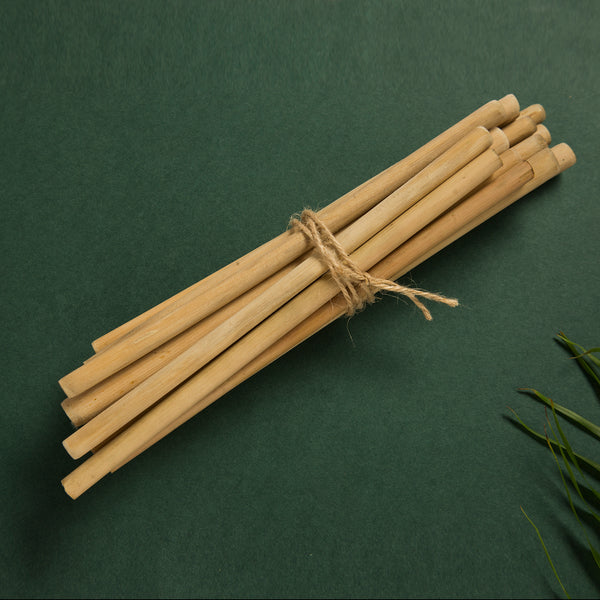
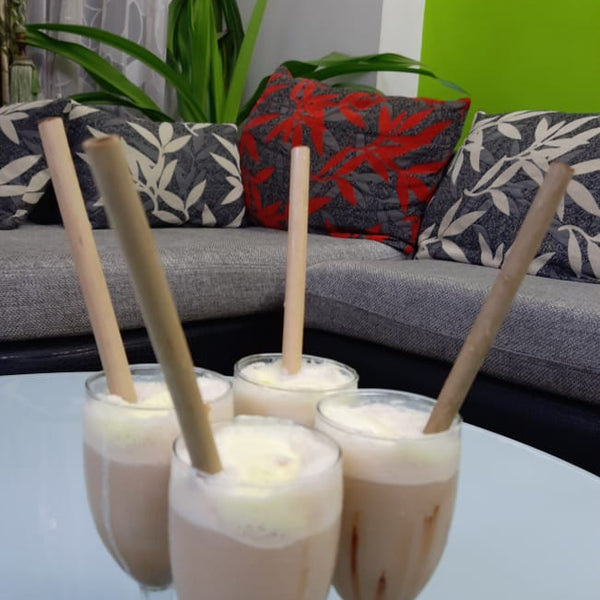
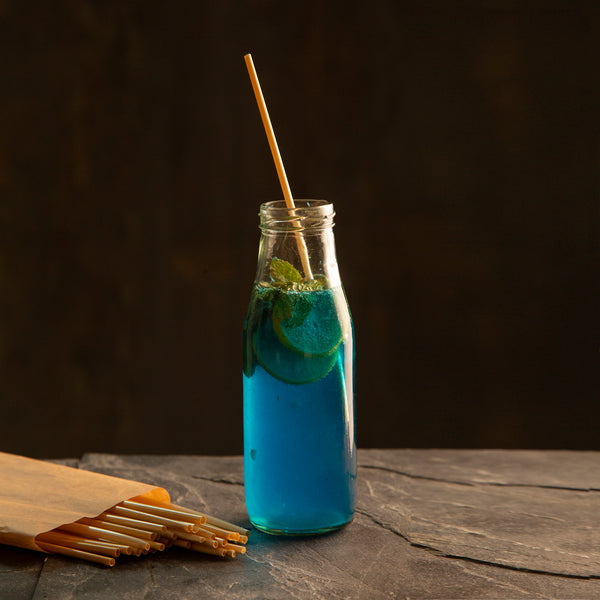
Bamboo straws are a natural, biodegradable option, cut directly from bamboo stalks so each one has slightly different grain and shape. They feel lightweight and warm to the touch compared to metal, which some people prefer for hot beverages.
-
Best for: eco-conscious households wanting a fully natural material
-
Care: hand wash only, air dry fully to prevent mould
-
Trade-off: shorter lifespan than steel or glass, since natural material wears with repeated use
Glass Straws
Glass straws let you see exactly how clean the inside is, which some people find reassuring compared to opaque materials. They're typically made from borosilicate glass, the same heat-resistant glass used in lab equipment and some cookware, so they handle both hot and cold drinks well.
-
Best for: home use, matcha, iced coffee, cocktails
-
Care: dishwasher safe in most cases; handle with normal care to avoid chips
-
Trade-off: breakable, so less practical for kids or travel
Silicone Straws
Silicone straws are soft, flexible, and the most bite-resistant option, making them a common choice for children. They won't clink against teeth or shatter, and they're gentle enough for daily use by younger kids who might chew on straws.
-
Best for: kids, travel, anyone who wants a soft-touch straw
-
Care: dishwasher safe; check silicone stays free of cracks over time
-
Trade-off: can retain slight odours over long-term use if not cleaned thoroughly
How to Choose the Right One for You
If you're building a small kit of reusable straws for home, a steel set with a cleaning brush is usually the most practical starting point: durable, easy to clean, and works for most drinks. If you specifically want a natural, plastic-free material with a different feel,
a bamboo reusable straw is worth considering, especially if you're building out a broader zero-waste kitchen setup rather than just replacing straws alone.
Comparing All Four Materials at a Glance
Since the right choice depends on your specific situation, here's how the four options stack up against each other on the factors that matter most:
-
Durability: Steel and glass last the longest with proper care; bamboo has a shorter lifespan; silicone falls in between
-
Portability: Silicone folds or bends for travel; steel is compact but rigid; glass is the least travel-friendly due to breakability
-
Feel: Silicone is softest on teeth and lips; bamboo feels warm and natural; steel and glass feel firmer and more rigid
-
Maintenance: Steel and glass are generally easiest to keep clean; bamboo needs more careful drying to avoid mould
Many households end up with a small mix rather than committing to just one material: steel for daily home use, and a silicone or bamboo option for kids or travel.
Common Mistakes When Switching to Reusable Straws
A few avoidable habits are behind most of the complaints people have about reusable straws:
-
Not cleaning the inside thoroughly, which leads to lingering odours or residue over time
-
Storing bamboo straws while still damp, which can cause mould or a musty smell
-
Buying only one straw instead of a small set, making it harder to always have a clean one on hand
-
Choosing a straw based on looks alone rather than matching the material to actual use, like buying glass for a toddler's lunchbox
Cleaning and Maintenance Tips
Whichever material you choose, a few habits keep reusable straws hygienic long-term:
-
Rinse immediately after use rather than letting residue dry inside
-
Use a dedicated straw-cleaning brush at least every few uses
-
Air dry fully before storing, especially for bamboo, to avoid trapped moisture
-
Replace bamboo or silicone straws if you notice cracking, splitting, or persistent odour
Are Reusable Straws Actually Better for the Environment?
A single reusable straw, used regularly over months or years, replaces hundreds of disposable plastic straws that would otherwise go to landfill or waterways. The environmental benefit scales directly with how consistently you use it; a reusable straw that replaces daily plastic use has a meaningful impact, while one bought and rarely used doesn't offer much advantage over the plastic it was meant to replace.
Quick Summary
Reusable straws are commonly made from stainless steel, bamboo, glass, or silicone, each suited to slightly different needs, from everyday durability to travel-friendly softness. Choosing the right material comes down to how and where you'll actually use it, since consistent use is what makes the switch from plastic genuinely worthwhile.
FAQs
1. What is the best material for a reusable straw?
Ans: Stainless steel is generally the most durable and low-maintenance option for everyday home use. Bamboo, glass, and silicone each suit specific needs, like natural materials, visible cleanliness, or child-friendly softness.
2. Are reusable straws safe for kids?
Ans: Silicone straws are usually the safest choice for kids since they're soft, flexible, and won't chip or shatter. Steel and glass straws are better suited to adult or supervised use.
3. How do you clean a reusable straw properly?
Ans: Rinse immediately after use, and clean regularly with a dedicated straw brush to reach the inside. Air-dry fully before storing, particularly for bamboo straws, to prevent moisture buildup.
4. Do bamboo straws last as long as steel straws?
Ans: No, bamboo straws generally have a shorter lifespan since they're a natural material that wears with repeated use and washing. Steel straws typically last years longer with proper care.
5. Can reusable straws go in the dishwasher?
Ans: Steel and glass straws are usually dishwasher-safe, though it's worth checking specific product guidance. Bamboo straws should be hand-washed only, since dishwasher heat and moisture can damage the natural material.
6. Are reusable straws worth switching to?
Ans: Yes, if used consistently. A reusable straw used regularly over time replaces hundreds of single-use plastic straws, making the environmental benefit scale directly with how often it's actually used.


