

What Are Kitchen and Bathroom Cleaning Pods and How Do They Work?

Cleaning pods are pre-measured, concentrated cleaning tablets or capsules that dissolve in water to create a ready-to-use cleaning solution, designed to replace bulky liquid bottles for kitchen and bathroom surfaces. They work by releasing a fixed dose of active cleaning agents once dissolved, offering a more compact, less wasteful alternative to traditional liquid cleaners, though liquid and powder-based natural cleaners remain the more widely available and better-established option for most households today.
What Exactly Is a Cleaning Pod
A cleaning pod is a small, solid tablet or capsule containing a concentrated cleaning formula, engineered to dissolve completely when dropped into a spray bottle or bucket of water. Instead of buying and storing a heavy plastic bottle of pre-mixed cleaner, you buy a small pack of pods and simply add water yourself at home, effectively turning a compact solid into a full bottle of usable cleaning solution.
How Cleaning Pods Actually Work
The process is fairly simple, but understanding each step helps explain why pods behave differently from regular liquid cleaners:
-
The pod is dropped into an empty spray bottle, jar, or bucket filled with a specified amount of water
-
The outer coating of the pod, often a water-soluble film, begins dissolving on contact with water
-
As the coating breaks down, the concentrated cleaning agents inside disperse and mix into the water
-
Within a few minutes of gentle shaking or stirring, the pod is fully dissolved, leaving a diluted, ready-to-use cleaning solution
Because the active ingredients are pre-measured inside each pod, the resulting solution has a consistent concentration every time; you're not eyeballing capfuls of liquid concentrate the way you might with traditional cleaners.
Why Cleaning Pods Exist: The Problem They're Solving
Cleaning pods were developed largely in response to a few specific frustrations with traditional liquid cleaners:
-
Liquid cleaners are mostly water, meaning you're paying to ship and store water along with a small amount of actual active ingredient
-
Bulky plastic bottles contribute meaningfully to household plastic waste, especially when replaced every few weeks
-
Storing multiple large bottles for different surfaces takes up considerable cabinet or under-sink space
-
Transporting liquid cleaners, especially for online orders, adds unnecessary shipping weight and packaging
A pod format addresses all of these at once; it's lightweight, compact, and lets the end user add the water locally instead of shipping it pre-mixed.
Kitchen Cleaning Pods vs Bathroom Cleaning Pods: What's Different
While the mechanism is the same, kitchen and bathroom cleaning pods are typically formulated differently to suit their specific surfaces and challenges:
-
Kitchen pods usually focus on cutting through grease, food residue, and countertop grime, often with degreasing agents suited to stovetops and kitchen counters
-
Bathroom pods are generally formulated to tackle soap scum, hard water stains, and mildew, often including ingredients that target limescale buildup around taps and tiles
-
Some brands offer a single "multi-surface" pod meant to work across both spaces, trading some specialised cleaning power for convenience
Are Cleaning Pods More Eco-Friendly Than Liquid Cleaners?
This is where the honest answer has some nuance. Pods can meaningfully reduce plastic waste and shipping emissions by eliminating the need to transport water-heavy liquid formulas, and their compact packaging generally uses less plastic overall than a full-sized spray bottle. That said, "eco-friendly" also depends heavily on what's actually inside the pod; a pod made with harsh synthetic chemicals isn't automatically better for your home or the environment just because of its format. The packaging efficiency and the ingredient safety are two separate questions worth evaluating independently.
What to Check Before Choosing a Cleaning Pod (or Any Cleaner)
Regardless of format, pod, liquid, or powder, a few checks help you choose a genuinely safer, more effective cleaning product:
-
Look for a clearly listed ingredient breakdown rather than vague "proprietary formula" language
-
Check for plant-based or biodegradable active ingredients if avoiding harsh synthetic chemicals matters to you
-
Confirm the product is free from phosphates and harsh chlorine-based agents if you're concerned about water safety and skin sensitivity
-
Verify the packaging itself is recyclable or minimal, since even concentrated pods still come in some form of outer packaging
A Reliable Alternative Available Right Now
Cleaning pods are still a relatively new format, and consistent, widely available options are limited compared to established liquid and powder-based cleaners. If you want the benefits of a genuinely natural, non-toxic clean today, Suspire's natural toilet cleaner uses bio-enzyme and soapnut action with essential oils instead of harsh synthetic chemicals, making it a dependable bathroom-cleaning option while pod formats continue to mature.
For Kitchen Surfaces Specifically
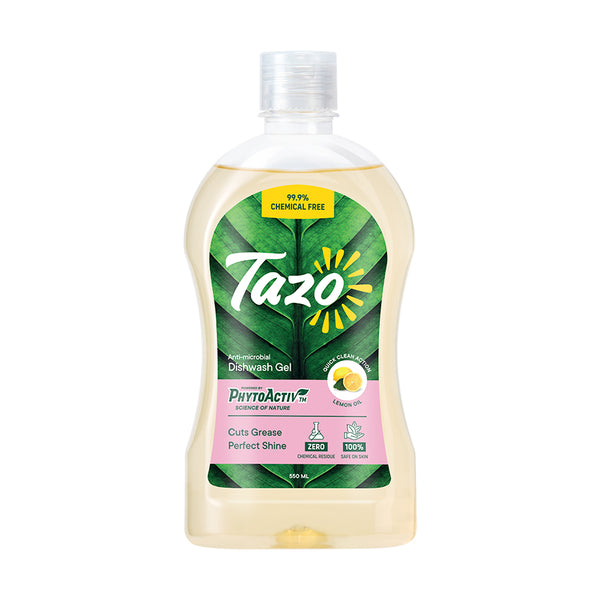
For kitchen counters, sinks, and dishware, a chemical-free dishwash gel made with lemon oil offers effective grease-cutting power without the synthetic additives found in many conventional dish cleaners, covering the same everyday kitchen-cleaning need that a kitchen cleaning pod is designed to solve.
For a Broader Bathroom Clean
If you need something beyond the toilet specifically, a disinfectant bathroom cleaner covers tiles, taps, and surrounding surfaces, addressing the broader bathroom cleaning job that a bathroom pod would typically handle.
For Floors and All-Purpose Cleaning
If your search for cleaning pods is really about finding a more compact, less wasteful cleaning routine overall, an all-purpose disinfectant cleaner concentrate achieves a similar goal to pods; you dilute a smaller concentrated formula yourself, reducing the amount of pre-mixed liquid and packaging you'd otherwise need to buy and store.
Building a More Sustainable Cleaning Routine
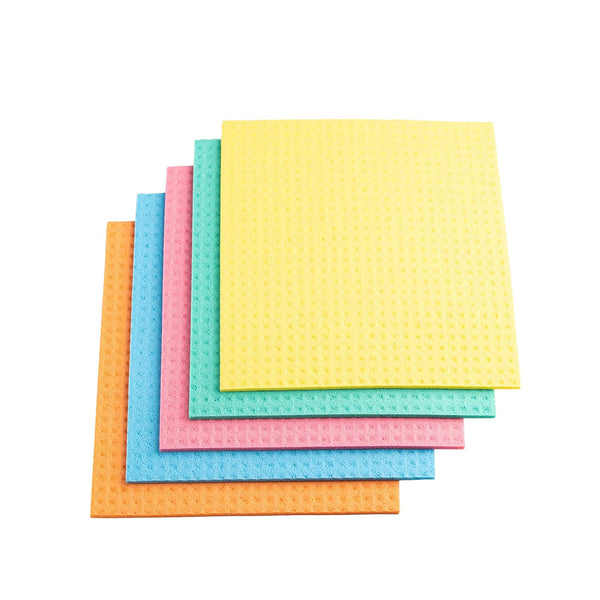
Beyond the cleaning solution itself, pairing these with reusable tools, like a biodegradable coir cleaning brush instead of a plastic scrubber, or a cellulose sponge instead of synthetic scouring pads, rounds out a genuinely lower-waste kitchen and bathroom cleaning setup, whether or not pods are part of it.
Should You Switch to Cleaning Pods Right Now?
If minimising packaging waste and simplifying storage matters most to you, cleaning pods are worth keeping an eye on as the format becomes more established and widely available with transparent, natural ingredient lists. In the meantime, concentrated liquid and powder-based natural cleaners already achieve most of the same practical goals, less water shipped, smaller packaging, and effective cleaning, while offering a wider, more proven range of options today.
Quick Summary
Kitchen and bathroom cleaning pods are concentrated, pre-measured tablets that dissolve in water to create a ready-to-use cleaning solution, designed to cut down on plastic waste and shipping bulk compared to traditional liquid cleaners. Whether a pod is genuinely better depends on its actual ingredients, not just its compact format, and until pod options with fully transparent, natural formulas become more widely available, concentrated liquid and powder-based cleaners remain a dependable, proven way to get the same low-waste, effective clean.
FAQs
1. How do cleaning pods dissolve in water?
Ans: Most cleaning pods have a water-soluble outer coating that breaks down on contact with water, releasing the concentrated cleaning agents inside. Gentle shaking or stirring for a few minutes usually completes the dissolving process.
2. Are cleaning pods safe to use on all kitchen and bathroom surfaces?
Ans: This depends on the specific formula, since kitchen and bathroom pods are typically designed for different surface types. Always check the product's surface compatibility before using it on delicate materials like natural stone or wood.
3. Do cleaning pods work as well as liquid cleaners?
Ans: When properly diluted, pods can be just as effective as liquid cleaners for everyday grime, since they contain similar active cleaning agents. Effectiveness ultimately depends on the formula's quality, not the pod format itself.
4. Are cleaning pods better for the environment than liquid cleaners?
Ans: Pods generally reduce plastic packaging and shipping weight by eliminating pre-mixed water from the equation, which is a genuine environmental advantage. However, the ingredients inside still need to be checked separately for safety and biodegradability.
5. Can I make my own version of a cleaning pod at home?
Ans: Not easily in the same dissolvable-capsule format, but you can achieve a similar low-waste effect by using concentrated liquid or powder cleaners and diluting them yourself at home, reducing the amount of pre-mixed product you need to store.
6. Where can I buy natural kitchen and bathroom cleaners if pod options are limited?
Ans: Concentrated, plant-based liquid and powder cleaners are widely available and offer similar low-waste benefits to pods. Suspire's natural cleaning range includes toilet, dishwashing, and all-purpose options formulated without harsh synthetic chemicals.


