

Vitamin A Capsules for Skin: How to Use for Acne, Glow & Anti-Aging

Vitamin A supports skin cell turnover, collagen production, and overall skin health, making it genuinely useful for concerns like acne, dullness, and signs of aging. Vitamin A capsules can be taken orally or, in some cases, opened and applied topically, but dosage matters significantly; excessive intake carries real risks, so understanding proper use is essential.
How Vitamin A Actually Benefits Skin
Vitamin A plays several genuine, well-documented roles in skin health:
-
Supports normal skin cell turnover, helping shed dead skin cells and reveal newer skin
-
Plays a role in collagen production, relevant to skin firmness and elasticity
-
Has antioxidant properties that help protect skin from environmental damage
-
Supports the skin's barrier function, relevant to overall skin health and hydration retention
Vitamin A for Acne
This is where vitamin A has some of its strongest evidence: retinoids, which are vitamin A derivatives, are among the most researched and effective treatments for acne, working by normalizing skin cell turnover and reducing clogged pores. However, it's worth distinguishing between prescription-strength topical retinoids (like tretinoin) and general vitamin A supplementation, since they're not interchangeable in terms of potency or application method.
Vitamin A for Glow and Skin Texture
By supporting healthy skin cell turnover, adequate vitamin A can contribute to a smoother, more even skin texture and a more radiant appearance over time. This isn't an immediate effect; it reflects the skin's natural renewal cycle, which typically takes several weeks to show visible change.
Vitamin A for Anti-Aging
Vitamin A's role in collagen support and cell turnover is part of why it's a common ingredient in anti-aging skincare, particularly in topical retinoid forms. Adequate vitamin A intake supports the skin's structural health, which is relevant to the gradual, cumulative approach anti-aging skincare typically requires rather than offering instant results.
Oral Capsules vs Topical Application
This distinction matters significantly:
-
Oral vitamin A capsules primarily support overall skin health from within, as part of general nutrition, and won't produce the same targeted effects as topical retinoid treatments
-
Topical retinoids (a specific, more potent vitamin A derivative) are what's typically used in dedicated skincare for acne and anti-aging, usually available as prescription or specifically formulated over-the-counter products
-
Some people open vitamin A capsules to apply the oil topically, but this isn't the same as using a properly formulated retinoid product, and effectiveness and safety for this specific use aren't well established
Dosage and Safety: Why This Matters More Than Usual
Vitamin A is fat-soluble, meaning your body stores excess amounts rather than excreting them like water-soluble vitamins. This makes overdosing a genuine risk with excessive supplementation:
-
Excessive vitamin A intake can cause toxicity, with symptoms ranging from headaches and nausea to more serious liver effects with prolonged high doses
-
Pregnant women should be particularly cautious, since excessive vitamin A is linked to birth defects; high-dose supplementation during pregnancy should only occur under medical supervision
-
Stick to recommended daily allowances unless specifically directed otherwise by a doctor
-
Getting vitamin A through a balanced diet with orange and leafy green vegetables is generally safer than high-dose supplementation for most people
A Suitable Option for General Skin Support
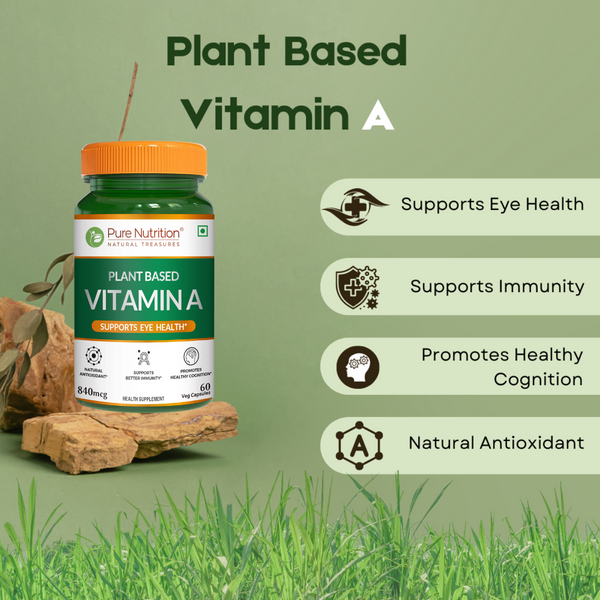
For those wanting oral support without exceeding safe limits, plant-based vitamin A capsules formulated at standard, safe dosages are a reasonable way to support overall skin, eye, and immune health without the toxicity risk of excessive supplementation.
Who Should Be Especially Cautious
Pregnant or breastfeeding women, anyone with existing liver conditions, and people already taking other vitamin A-containing supplements or medications (including certain acne medications like isotretinoin) should be particularly careful about additional vitamin A supplementation, given the cumulative risk of excessive intake. Checking with a doctor before adding vitamin A capsules to your routine is a sensible step if any of these apply to you.
Getting Vitamin A Through Diet as a Safer Baseline
For most people, a diet rich in vitamin A sources, carrots, sweet potatoes, spinach, and other orange and leafy green vegetables, provides adequate vitamin A without the overdose risk that comes with high-dose supplementation. Supplementation is more relevant for those with specific deficiencies or under medical guidance, rather than as a default addition to an already balanced diet.
Quick Summary
Vitamin A genuinely supports skin health through cell turnover, collagen support, and antioxidant properties, making it relevant for acne, texture, and anti-aging concerns. However, dosage matters significantly given its fat-soluble nature and toxicity risk at high doses, and oral capsules work differently from topical retinoid treatments. Standard, safe-dosage supplementation combined with a balanced diet is the more sensible approach for most people.
FAQs
1. Can vitamin A capsules be applied directly to skin?
Ans: Some people open capsules to apply the oil topically, but this isn't the same as using a properly formulated retinoid product, and its effectiveness and safety for this specific use aren't well established. Dedicated topical retinoid products are generally more reliable for targeted skin benefits.
2. How long does it take to see skin benefits from vitamin A?
Ans: Since skin cell turnover is a gradual process, visible improvements from adequate vitamin A intake typically take several weeks to become noticeable, rather than offering immediate results.
3. Is it safe to take vitamin A capsules daily for skin?
Ans: At standard, recommended doses, yes, for most healthy adults. High-dose supplementation carries toxicity risk due to vitamin A being fat-soluble and accumulating in the body, so staying within recommended limits matters.
4. Can vitamin A capsules replace retinol skincare products?
Ans: Not really. Oral vitamin A supports overall skin health from within, but topical retinoids are specifically formulated and more potent for targeted skin concerns like acne and visible aging.
5. Are vitamin A capsules safe during pregnancy?
Ans: High-dose vitamin A supplementation is not recommended during pregnancy without medical supervision, since excessive intake is linked to birth defects. Always consult your doctor about supplementation during pregnancy.
6. What foods provide vitamin A naturally?
Ans: Carrots, sweet potatoes, spinach, and other orange and leafy green vegetables are good dietary sources of vitamin A, generally providing a safer route to adequate intake than high-dose supplementation for most people.


