

Vegan Leather Shoes vs Genuine Leather: Which Is Actually Better?

Vegan leather shoes are generally the better everyday choice for most people; they're lighter, easier to maintain, cruelty-free, and now made in versions durable enough to rival genuine leather. Genuine leather still wins on long-term structure, and that broken-in feel some people love. The right answer depends less on which material is "superior" and more on how you actually live, walk, and take care of your shoes.
Why This Comparison Keeps Coming Up
If you've stood in front of a shoe rack, online or in-store, torn between a leather pair and a vegan leather one, you're not alone. It's one of the most common questions we hear from people shopping for vegan leather shoes: does "vegan" mean you're compromising on quality?
A few years ago, that might have been a fair concern. Vegan leather used to mean stiff, plasticky, short-lived shoes. That's changed. Today's better vegan leather footwear is engineered specifically to solve the durability, breathability, and comfort issues that used to hold it back.
What Vegan Leather Shoes Are Actually Made Of
"Vegan leather" isn't one material; it's a category. Depending on the brand, it can mean:
-
Polyurethane (PU) based synthetic leather, now made more breathable and flexible than older PVC versions
-
Plant-based alternatives like cork, cactus leather, pineapple fibre (piñatex), or apple leather
-
Recycled or bio-based composites that blend natural fibres with a durable coating
The quality gap between vegan leather brands is real, so it helps to know what you're buying rather than assuming all vegan leather is the same.
Genuine Leather: What You're Actually Paying For
Genuine leather has three genuine strengths: it molds to your foot over time, it's naturally breathable, and with proper care it can last for years. That's real value, especially for formal shoes worn often.
But it comes with trade-offs people don't always think about upfront: it's heavier, needs regular conditioning to avoid cracking, isn't vegan or cruelty-free, and tends to cost more for comparable quality. It also reacts poorly to rain, a real consideration if you live somewhere with a proper monsoon season.
Comfort and Everyday Wear: The Real Difference
This is where most people actually make their decision, even if they frame it as an ethics question.
Good vegan leather shoes are lighter on the foot from day one; there's no long break-in period the way there often is with genuine leather. They're also easier to wipe clean and more forgiving of daily wear and tear like scuffs or getting caught in rain.
Genuine leather rewards patience. It takes a few wears to soften up, but once it does, it holds its shape well and can look better with age if maintained properly.
If you want comfortable shoes you can wear straight out of the box, vegan leather usually wins. If you enjoy the ritual of caring for a pair over years, leather has its own appeal.
Durability: Busting the Biggest Myth
The idea that vegan leather "falls apart faster" isn't necessarily true anymore; it depends heavily on the brand and construction quality, not the material category itself. A well-made vegan leather shoe from a brand that invests in proper stitching, sole bonding, and coating quality can comfortably outlast a poorly made genuine leather pair.
What actually determines durability:
-
Quality of the base material (cheap PU cracks faster than well-engineered alternatives)
-
How the sole is attached- stitched or bonded well matters more than the upper material
-
How you store and clean your shoes
-
How often you rotate pairs, since no shoe, leather or otherwise, lasts if worn daily without rest
If you want durable footwear for women or men, judge the brand's construction standards, not just the "leather vs vegan" label.
Cruelty-Free and Non-Toxic Considerations
For a growing number of people, this is the deciding factor and not a bonus feature. Genuine leather comes from animal hides, and its tanning process, even when done responsibly, is chemically intensive. Vegan leather footwear avoids the animal welfare question entirely, and better-made versions are also formulated to be non-toxic, without the heavy metals sometimes used in traditional leather tanning.
If you want to compare this further, our guide on vegan leather 101 breaks down how vegan leather is made and what to check before buying.
Price vs Value: What You're Really Comparing
Vegan leather shoes are often more accessible on price, but "cheaper" and "better value" aren't the same thing. A well-constructed vegan leather formal shoe can offer excellent value because it combines lower cost with lower maintenance. Genuine leather can offer better long-term value only if you're willing to invest in care, polish, conditioning, and proper storage over its lifetime.
So, Which Is Actually Better?
Neither material is universally better; they're suited to different priorities.
Choose vegan leather shoes if you want lighter, low-maintenance, cruelty-free footwear that performs well in daily Indian weather conditions. Choose genuine leather if you specifically want that break-in character and don't mind the upkeep it demands.
A Brand Doing This Well
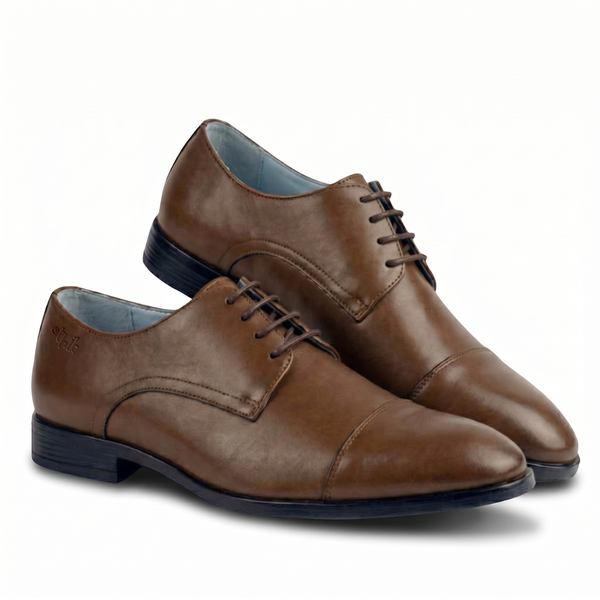
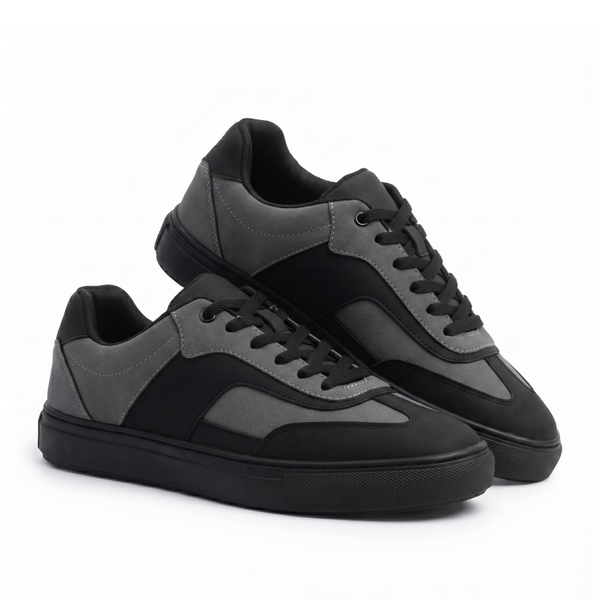
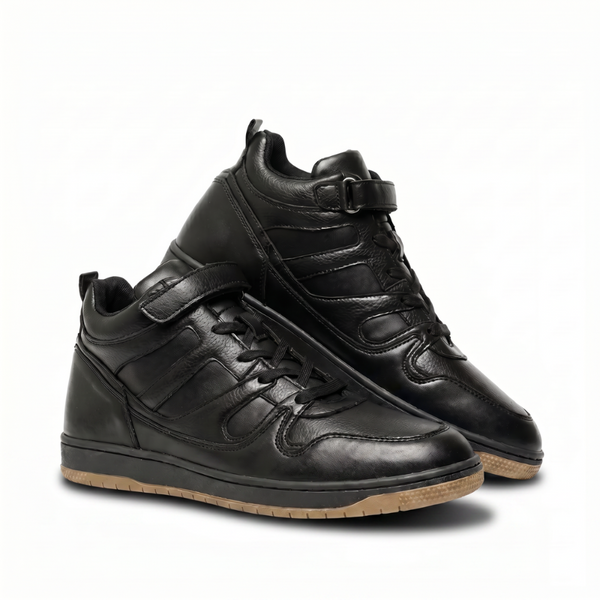
If you want to see this comparison play out in an actual product rather than in theory, Ethik is a good example. The brand builds its entire footwear range- formal shoes, sneakers, loafers, and belts- around vegan leather instead of animal hide, and it's specifically designed to hold up to daily wear rather than being an occasional-use novelty. For anyone comparing vegan leather formal shoes against a traditional leather pair for office use, it's a useful benchmark for what well-made non-leather footwear actually looks and feels like.
Quick Summary
Vegan leather shoes have closed the gap with genuine leather on comfort, durability, and everyday practicality, while staying lighter, easier to maintain, and cruelty-free. Genuine leather still offers a distinct feel and can last for years, but only with consistent care. For most everyday wearers, a well-made vegan leather shoe is the more practical choice.
FAQs
1. Is vegan leather as durable as genuine leather?
Ans: It depends on construction quality more than the material itself. A well-made vegan leather shoe with strong stitching and sole bonding can match or outlast a poorly made genuine leather pair. Always check the brand's build quality, not just the material label.
2. Does vegan leather crack or peel over time?
Ans: Lower-quality PU-based vegan leather can crack with age, especially if it dries out. Better vegan leather formulations, including plant-based ones, are designed to resist this. Storing shoes away from direct heat and sunlight helps either material last longer.
3. Is vegan leather actually eco-friendly?
Ans: It depends on the source. Plant-based vegan leathers (cork, cactus, pineapple fibre) tend to have a lighter footprint than pure petroleum-based PU. It's worth checking what a specific pair is made from rather than assuming "vegan" automatically means eco-friendly.
4. Are vegan leather shoes good for Indian weather?
Ans: Yes, generally. Vegan leather handles humidity and light rain better than genuine leather, which can stain or stiffen when wet. This makes it a practical everyday option across most Indian climates.
5. Is vegan leather cheaper than genuine leather?
Ans: Often, yes, but the better comparison is value over time. Vegan leather typically needs less maintenance, which can offset genuine leather's higher care requirements even when the upfront cost is similar.
6. Can vegan leather shoes be formal enough for office wear?
Ans: Yes. Several brands now make vegan leather formal shoes with the same structured, polished look as traditional leather formals, making them a solid non-leather formal shoes option for men and women.


