

The Complete Guide to Omega-3 Supplements in India

Omega-3 fatty acids, particularly EPA and DHA, support heart, brain, and joint health, and are commonly under-consumed in typical Indian diets. Fish oil is the traditional source, but algae-based omega-3 supplements now offer a genuinely equivalent, vegan alternative, since algae is the original source fish get their omega-3 from in the first place. Plant oils like flaxseed and seabuckthorn provide a related but different fatty acid (ALA), which the body converts to EPA and DHA only inefficiently. This guide breaks down the differences and how to choose.
Why Omega-3 Deserves More Attention in Indian Diets
Omega-3 fatty acids are essential, meaning the body can't produce them on its own and must get them through diet. Traditional Indian diets, particularly vegetarian ones, often lean heavily on omega-6 fatty acids (common in many cooking oils) without a comparable intake of omega-3s, which can skew the balance between the two in ways that matter for long-term heart and inflammatory health.
Fish is the most well-known dietary source of omega-3, but with a large vegetarian and vegan population in India, understanding plant-based alternatives, and how they actually compare, matters more here than in many other markets.
EPA and DHA vs ALA: The Distinction That Actually Matters
Not all omega-3 sources are created equal, and this is the single most important thing to understand before choosing a supplement. EPA and DHA are the "active," directly usable forms of omega-3 that the body needs for heart, brain, and eye health. ALA (alpha-linolenic acid), found in flaxseed, chia, and walnuts, is a different omega-3 that the body can theoretically convert into EPA and DHA, but that conversion process is notably inefficient, often under 10%.
This means a supplement or food that's "rich in omega-3" isn't automatically delivering meaningful EPA and DHA unless it specifically says so. For anyone specifically looking to support heart and brain health the way research on omega-3 typically refers to, EPA and DHA content is what to check for, not just the general "omega-3" label.
Algae Oil: The Vegan Source of Real EPA and DHA
Here's a detail most people don't know: fish don't actually produce omega-3 themselves. They accumulate it by eating algae, which is the original source. Algae-based omega-3 supplements go straight to that source, delivering genuine EPA and DHA without needing fish at all, making them a direct, equivalent alternative to fish oil rather than a compromise.
This also means algae oil sidesteps two common fish oil concerns: mercury and other heavy metal accumulation (a risk with some fish sources) and ocean microplastic contamination, both increasingly relevant concerns in modern supplement sourcing.
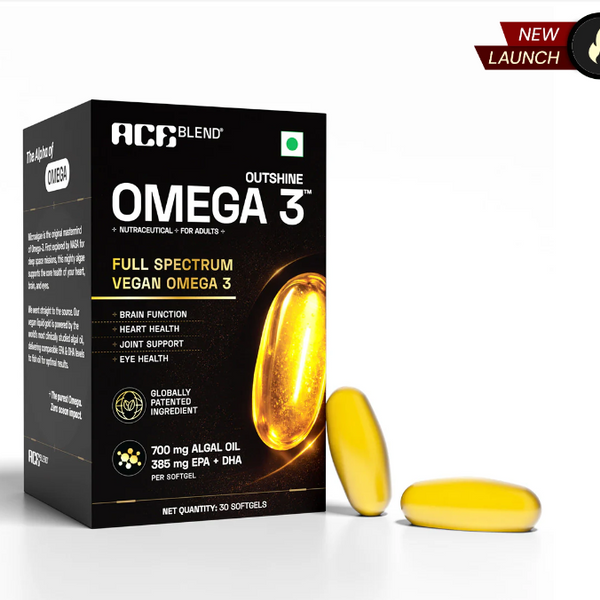
A genuine algae-based option is Ace Blend Outshine Vegan Omega-3, formulated with patented microalgae delivering effective levels of EPA and DHA, sustainably sourced and free from fish, mercury, and microplastics.
Plant Oil Blends: A Different, Complementary Approach
Multi-oil blends combining sources like flaxseed, seabuckthorn, pomegranate seed, borage, and olive oil offer a broader spectrum of fatty acids, omega-3, 5, 6, 7, and 9, along with additional antioxidants and nutrients from each individual oil. These aren't providing direct EPA and DHA the way algae oil does, but they still offer genuine nutritional value, particularly for general fatty acid balance, skin health, and cholesterol support.
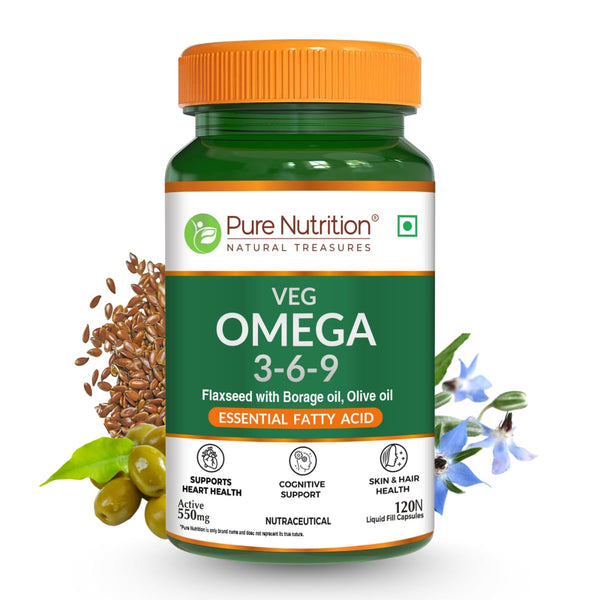
An example is Pure Nutrition Vegan Omega 3-5-6-7-9, combining five plant oils for heart health and lipid profile support, worth choosing as a complement to, rather than a replacement for, a direct EPA/DHA source if that's your specific goal.
Omega-3 Source Comparison
|
Source |
Provides |
Best For |
|
Algae oil |
Direct EPA + DHA |
Heart, brain, and eye health, vegan fish oil equivalent |
|
Fish oil (not sold on Suspire) |
Direct EPA + DHA |
Non-vegetarians seeking direct EPA/DHA |
|
Flaxseed, chia, walnuts |
ALA (converts inefficiently to EPA/DHA) |
General fatty acid intake, not a direct EPA/DHA source |
|
Multi-oil blends (seabuckthorn, borage, olive, etc.) |
Mixed omega 3-5-6-7-9, antioxidants |
General wellness, lipid and skin support |
How to Choose the Right Omega-3 Supplement
Check for actual EPA and DHA content, not just "omega-3" on the label. This is the detail that determines whether you're getting the form most research is actually based on.
Choose algae oil if you're vegan or vegetarian and want direct EPA/DHA. It's a genuine equivalent to fish oil, not a lesser substitute.
Use plant oil blends as a complement, not a replacement. They offer real value but shouldn't be your only source if EPA/DHA specifically is your goal.
Look for third-party purity testing. Especially relevant for any oil-based supplement, to confirm it's free from contaminants.
To explore the full range, browse our vegan omega collection.
Quick Summary
Omega-3 supplements aren't all interchangeable. Algae oil delivers genuine EPA and DHA, the forms most closely linked to heart and brain health research, and is a direct vegan equivalent to fish oil. Plant oil blends offer real but different benefits, since the ALA they contain converts to EPA and DHA only inefficiently in the body. Checking for specific EPA/DHA content, rather than assuming any "omega-3" product provides it, is the most useful thing to know before choosing.
FAQs
Q1. Is algae oil as effective as fish oil for omega-3?
Ans: Yes, algae oil provides the same EPA and DHA fatty acids as fish oil, since fish themselves get their omega-3 from consuming algae. It's considered a genuine, direct equivalent rather than a lesser vegan substitute.
Q2. Can I get enough omega-3 from flaxseed alone?
Ans: Flaxseed provides ALA, which the body converts to EPA and DHA at a low rate, generally under 10%. For general fatty acid intake it's genuinely useful, but it's not a reliable way to meet EPA/DHA-specific needs the way algae or fish oil can.
Q3. Why do some omega-3 supplements not contain EPA or DHA at all?
Ans: Many multi-oil blends are formulated around ALA-rich plant oils like flaxseed, seabuckthorn, or borage, which provide a different type of omega-3 (and often omega-6 and omega-9 too) rather than direct EPA and DHA. Checking the specific fatty acid breakdown on the label clarifies what you're actually getting.
Q4. Is algae oil safe and free from contaminants?
Ans: Generally, yes, and it's often considered cleaner than some fish oil sources, since it bypasses the ocean-based mercury and microplastic accumulation that can affect fish. Choosing a reputable, tested brand remains important regardless of the source.
Q5. How much omega-3 should I take daily?
Ans: General recommendations often suggest around 250-500mg of combined EPA and DHA daily for general health, though specific needs can vary based on diet and individual health goals. It's worth checking product labels for actual EPA/DHA content per serving rather than total oil weight.
Q6. Can vegetarians get adequate omega-3 without supplements?
Ans: It's possible with consistent intake of ALA-rich foods like flaxseed and walnuts, though direct EPA/DHA sources are limited for vegetarians outside of algae oil. This is why algae-based supplements are often specifically recommended for vegetarians and vegans wanting reliable EPA/DHA intake.


