

The Complete Guide to Biotin Supplements for Hair & Nails

Biotin (vitamin B7) supports the body's natural keratin production, the protein that makes up hair and nails, which is why it's one of the most commonly recommended supplements for hair thinning and brittle nails. It works best as a gradual, long-term addition rather than a quick fix, typically taken daily for several months before visible changes appear. Biotin is genuinely helpful for people with an actual deficiency, though for most people with adequate intake already, extra biotin offers limited additional benefit. This guide covers doses, formats, and how to choose sensibly.
What Biotin Actually Does (and Doesn't Do)
Biotin is a water-soluble B-vitamin involved in several metabolic processes, including the production of keratin, the structural protein that makes up hair, skin, and nails. It's often marketed as a straightforward "hair growth" solution, but the more accurate picture is that biotin supports the raw materials your body needs to build healthy hair and nails, rather than directly triggering growth on its own.
This distinction matters for setting realistic expectations. If your hair thinning or brittle nails are linked to an actual biotin gap (more common than people often assume, but not universal), supplementation can genuinely help. If your levels are already adequate, additional biotin is unlikely to meaningfully change much, since the body simply excretes what it doesn't need.
Who Actually Benefits Most From Biotin Supplements
Certain groups are more likely to have lower biotin levels and see a more noticeable benefit from supplementation:
-
People with diets low in biotin-rich foods (eggs, nuts, seeds), particularly those following restrictive diets
-
Pregnant and breastfeeding individuals, whose biotin needs increase
-
People experiencing hair thinning or brittle nails without another identified medical cause
-
Those on long-term anticonvulsant medication or with certain digestive conditions affecting nutrient absorption
For hair loss caused by other factors, hormonal changes, stress, genetics, or an unrelated medical condition, biotin alone is unlikely to resolve the underlying issue, even though it may still offer some general nutritional support.
Understanding Biotin Doses: Why They Vary So Widely
You'll notice biotin supplements range enormously in dose, from a few hundred micrograms to 10,000 mcg or more. The official recommended daily intake for adults is quite low, around 30 mcg, but hair, skin, and nail-focused formulas are typically dosed far higher, since higher doses are generally what's been used in the studies showing benefits for hair and nail strength specifically.
Because biotin is water-soluble, excess amounts are generally excreted rather than stored to harmful levels, which is part of why higher-dose formulas are common and generally considered safe for most healthy adults.
A high-strength option is Pure Nutrition Biotin 10,000 mcg, a pharma-grade dose formulated specifically for hair, skin, and nail support.
Biotin Supplement Formats Compared
|
Format |
Best For |
Notes |
|
High-dose tablets (10,000 mcg) |
Those wanting a straightforward, strong daily dose |
Simple, no added herbal ingredients |
|
Herbal-blend tablets |
Those wanting biotin alongside traditional herbs |
Combines biotin with amla, bhringraj, moringa, etc. |
|
Gummies |
Those who dislike swallowing tablets |
Often combined with other beauty-supporting nutrients |
|
Biotin-infused protein powder |
Those already using protein powder who want dual benefit |
Adds amino acid support alongside biotin |
Biotin With Herbal Ingredients vs Standalone Biotin
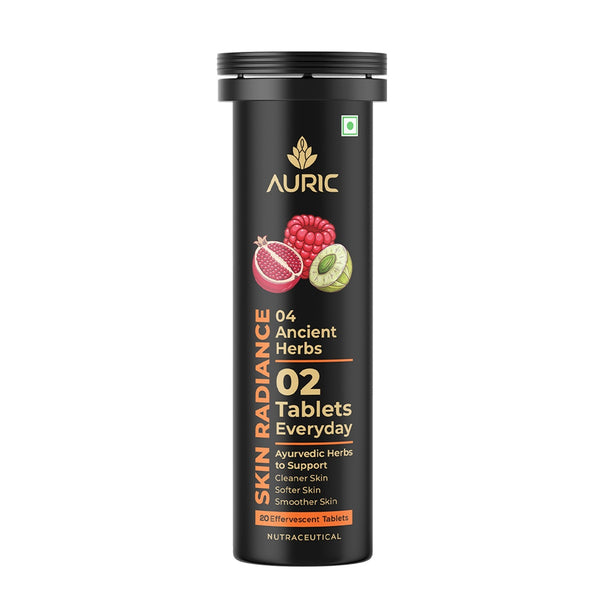
Several biotin formulas on the market combine the core vitamin with traditional Ayurvedic ingredients like bhringraj, amla, and moringa, herbs long used in Indian hair care traditions. These additions offer complementary nutritional and antioxidant value, though the specific hair-growth evidence for the herbal components individually is generally less extensive than for biotin itself.
An example is Pure Nutrition Naturals Biotin (10,000mcg), combining biotin with sesbania grandiflora, bhringraj, bamboo shoot, and moringa leaf extracts.
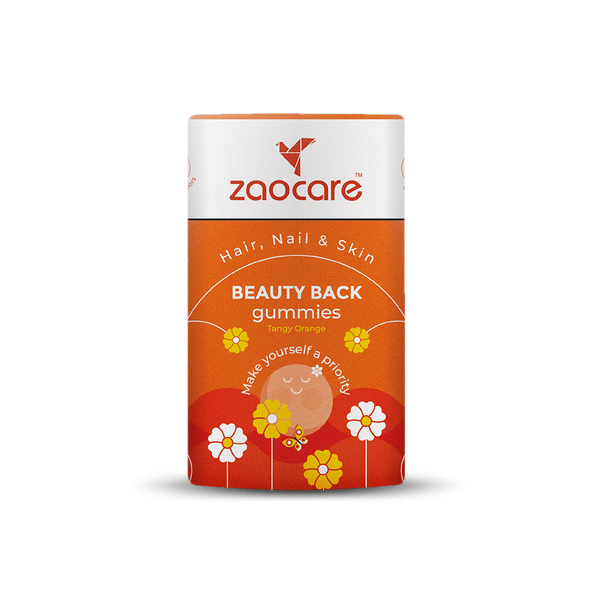
For a gummy format, Zaocare Beauty Back Biotin Gummies combine biotin with vitamin C, zinc, amla, and grape seed extract in a plant-based, easy-to-take format.
How to Choose the Right Biotin Supplement
Set realistic expectations on timeline. Visible changes in hair and nails typically take 3 to 6 months of consistent daily use, since these tissues grow slowly.
Consider a herbal-blend formula if you want broader support. These add complementary nutrients alongside the core biotin dose.
Choose gummies if consistency is your main challenge. A format you'll actually take daily matters more than a marginal dose difference.
Don't expect biotin alone to fix hair loss with another underlying cause. If thinning is sudden, patchy, or severe, it's worth ruling out other causes with a doctor first.
To explore the full range, browse our essential vitamins collection.
A Note on Biotin and Lab Tests
One important safety note that's often overlooked: high-dose biotin supplements can interfere with certain blood test results, including thyroid function tests and some cardiac marker tests, potentially producing inaccurate readings. If you're taking a high-dose biotin supplement, it's worth mentioning this to your doctor before any bloodwork, or pausing supplementation for a few days beforehand as advised, so your results reflect your actual levels rather than the supplement's interference.
Quick Summary
Biotin supports the body's natural keratin production, making it a reasonable, evidence-backed option for hair thinning and brittle nails, particularly for anyone with an actual deficiency. It works gradually, generally needing 3 to 6 months of consistent use, and comes in a range of doses and formats, from straightforward high-dose tablets to herbal blends and gummies. It's not a universal fix for hair loss with other causes, and high doses are worth flagging to your doctor before any blood tests.

FAQs
Q1. How long does it take for biotin to improve hair and nails?
Ans: Most people need at least 3 to 6 months of consistent daily use before noticing meaningful changes, since hair and nail growth is a slow biological process. Biotin is not a quick fix, and patience with consistent use matters more than the specific dose.
Q2. Does biotin actually help if I'm not deficient?
Ans: The evidence for biotin's benefit is strongest in people with an actual deficiency. If your levels are already adequate, extra biotin is less likely to produce a noticeable difference, though it's generally still considered safe to take at recommended doses.
Q3. Can biotin cause acne or breakouts?
Ans: Some people report breakouts with high-dose biotin, though the evidence connecting the two directly is limited and anecdotal rather than firmly established. If you notice this pattern, it's worth discussing with a dermatologist rather than assuming biotin is definitely the cause.
Q4. Why does biotin interfere with blood test results?
Ans: High-dose biotin can interfere with certain lab testing methods, particularly thyroid function and some cardiac marker tests, leading to inaccurate results. This is a well-documented interaction, which is why it's important to inform your doctor if you're taking high-dose biotin before bloodwork.
Q5. Are biotin gummies as effective as tablets?
Ans: Generally yes, provided the gummy delivers a comparable biotin dose, since absorption is similar across formats. The main difference is convenience and taste rather than effectiveness, so choosing the format you'll actually take consistently matters most.
Q6. Can biotin fix hair loss caused by stress or hormonal changes?
Ans: Biotin may offer some general nutritional support, but it doesn't directly address the underlying cause if hair loss stems from stress, hormonal shifts, or another medical condition. In these cases, it's worth addressing the root cause alongside, rather than instead of, general nutritional support.


