

Sulfate-Free Shampoo vs Regular Shampoo: Is the Switch Worth It?

Sulfate-free shampoo cleanses using gentler, plant-derived surfactants instead of harsh detergents like SLS or SLES, making it less likely to strip natural oils, irritate the scalp, or fade colour-treated hair. Regular shampoo, built around sulfates, cleans more aggressively and lathers more, which works well for very oily hair but can leave dry, curly, colour-treated, or sensitive scalps feeling stripped. For most people, the switch is worth it, though very oily hair types may still prefer the deeper clean of a sulfate-based formula occasionally.
Why This Switch Keeps Coming Up
Sulfate-free shampoo has moved from a niche curly-hair or colour-treated-hair recommendation to something far more mainstream. Part of that shift is genuine: as more people pay attention to what's in their daily products, the harsh detergents in conventional shampoo have come under more scrutiny.
But "sulfate-free" isn't automatically better for everyone, and understanding what sulfates actually do, and don't do, makes the decision easier than following the trend blindly.
What Sulfates Actually Do in Shampoo
Sulfates, most commonly Sodium Lauryl Sulfate (SLS) and Sodium Laureth Sulfate (SLES), are surfactants, ingredients that create lather and lift away oil, dirt, and product buildup effectively. They're popular in conventional shampoo because they clean thoroughly and give that familiar, satisfying foam.
The tradeoff is that sulfates, particularly SLS, can be quite harsh. They don't just remove dirt and excess oil, they can also strip away the natural oils your scalp and hair actually need, which is where the irritation and dryness concerns come from.
Where sulfate-based shampoo works well:
-
Deep cleansing for very oily hair or heavy product buildup
-
Familiar, generous lather that many people associate with "clean" hair
-
Generally more affordable and widely available
Where sulfates tend to cause issues:
-
Can strip natural oils, leading to dryness, especially with daily use
-
May irritate sensitive or eczema-prone scalps
-
Known to fade colour-treated hair faster
-
Can leave curly or textured hair feeling dry and frizzy
What Sulfate-Free Shampoo Actually Offers
Sulfate-free shampoo uses milder, often plant-derived cleansing agents instead of harsh sulfates. These formulas still clean effectively, just less aggressively, which means they're less likely to strip the scalp's natural oil balance.
This matters more than it might seem: the scalp's natural oils (sebum) help maintain a healthy moisture barrier, and stripping them too aggressively, too often, can actually trigger the scalp to overproduce oil in response, the opposite of what many people are trying to achieve.
Where sulfate-free shampoo tends to help most:
-
Dry, curly, or textured hair that needs moisture retention
-
Colour-treated hair, since it helps preserve colour vibrancy for longer
-
Sensitive scalps prone to irritation, itching, or eczema flare-ups
-
Daily or frequent washers who don't want to over-strip their scalp
Where it may take adjustment:
-
Lathers less than sulfate-based shampoo, which can feel unfamiliar at first
-
May need a slightly longer wash time to feel fully clean, especially for very oily hair
For dry or chemically treated hair specifically, Vasl Keratin Shampoo is fully sulfate- and paraben-free, formulated to protect colour and keratin treatments while cleansing gently.
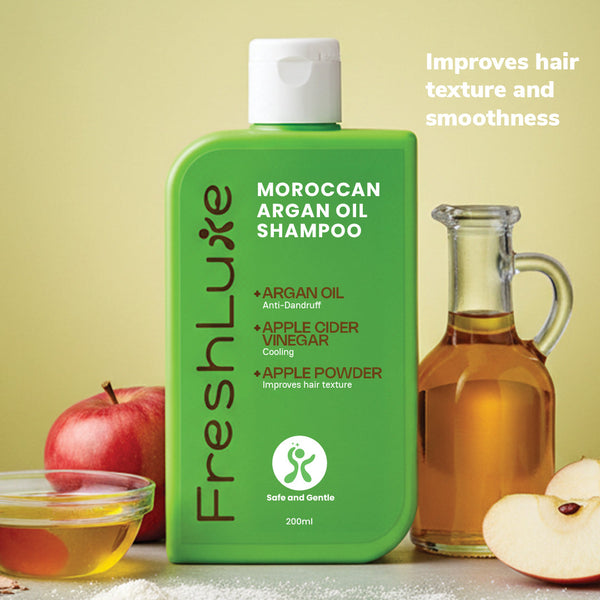
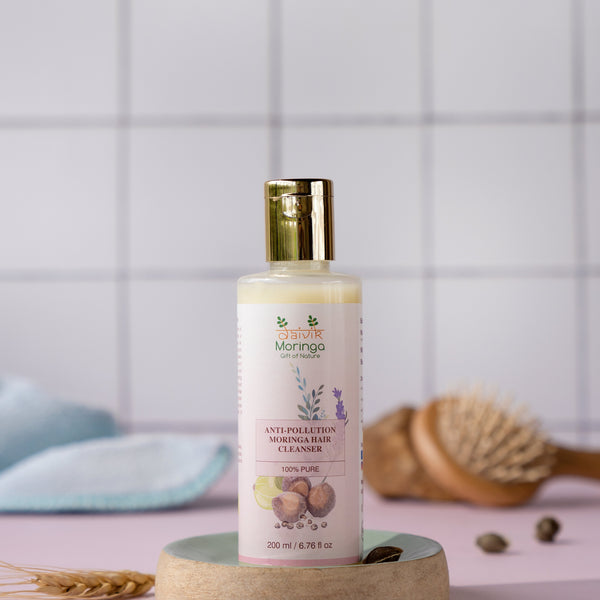
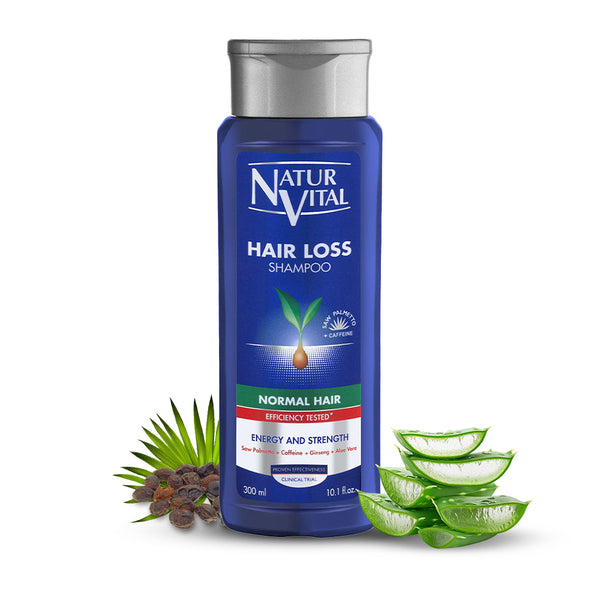
Sulfate-Free vs Regular Shampoo: Quick Comparison
|
Factor |
Regular (Sulfate-Based) Shampoo |
Sulfate-Free Shampoo |
|
Cleansing strength |
Strong, deep cleaning |
Gentle, moderate cleaning |
|
Lather |
Rich, generous foam |
Lighter, less foam |
|
Best for hair type |
Very oily hair, heavy buildup |
Dry, curly, colour-treated, sensitive scalp |
|
Colour retention |
Fades colour faster |
Helps preserve colour longer |
|
Scalp impact |
Can strip natural oils, cause dryness |
Gentler on scalp's natural moisture barrier |
A Note on What's Available Here
Suspire's shampoo and conditioner collection is built around sulfate-free, plant-based formulas rather than conventional sulfate-based shampoo. If you're specifically looking for a deep-cleansing, sulfate-based option for very oily hair, that isn't part of what we carry here. For most hair concerns, from dryness to colour treatment to sensitive scalps, a well-formulated sulfate-free option is the closest and generally gentler equivalent.
Is the Switch Actually Worth It?
For most people, yes, particularly if you already deal with dryness, frizz, colour fade, or scalp sensitivity. The switch tends to matter less for people with very oily hair and no sensitivity issues, who may genuinely prefer the deeper clean of a sulfate-based formula.
The most realistic approach for many people is a middle ground: using a sulfate-free shampoo for daily or regular washing, with an occasional deeper-cleansing wash (sulfate-free clarifying formulas exist too) for heavy product buildup.
How to Decide for Your Hair
Dry, curly, or colour-treated hair? Sulfate-free is very likely the better everyday choice.
Sensitive or eczema-prone scalp? Sulfate-free formulas are generally gentler and less likely to trigger irritation.
Very oily hair with heavy product use? You may still want the deeper clean sulfates offer, at least occasionally.
Not sure? Try a sulfate-free shampoo for a few weeks. Hair often needs a short adjustment period to recalibrate oil production before you can judge the results fairly.
Quick Summary
Sulfate-free shampoo cleanses more gently than regular shampoo, which generally makes it the better choice for dry, curly, colour-treated, or sensitive hair and scalps. Regular, sulfate-based shampoo still has a place for very oily hair or heavy buildup, thanks to its stronger cleansing power. For most people, switching to sulfate-free is worth it, especially once the scalp has had a few weeks to adjust.
FAQs
Q1. Does sulfate-free shampoo actually clean hair properly?
Ans: Yes, sulfate-free shampoo still cleanses effectively, just more gently. It may lather less and require a slightly longer wash, but it removes dirt, oil, and product residue without stripping the scalp's natural moisture barrier as aggressively as sulfate-based formulas.
Q2. Why does sulfate-free shampoo lather less?
Ans: Sulfates are particularly good at generating foam, which is why sulfate-free formulas, using gentler surfactants, naturally produce less lather. Less foam doesn't mean less cleansing, it's simply a different chemical mechanism.
Q3. Is sulfate-free shampoo better for coloured hair?
Ans: Yes, this is one of the most well-established benefits. Sulfates can strip hair colour faster with each wash, so switching to a sulfate-free shampoo generally helps colour-treated hair retain its vibrancy for longer between salon visits.
Q4. How long does it take to see a difference after switching?
Ans: Most people notice a difference within two to four weeks, since hair and scalp need a short adjustment period as oil production recalibrates. Some experience an initial "transition" phase where hair feels different before settling into its new normal.
Q5. Is sulfate-free shampoo necessary for straight, non-oily hair?
Ans: Not strictly necessary, but many people still prefer it for its gentler, less-drying formula, even without a specific concern like colour treatment or curls. It largely comes down to personal preference and how your scalp responds to sulfates specifically.
Q6. Can sulfates cause scalp irritation?
Ans: Yes, particularly for people with sensitive skin, eczema, or psoriasis-prone scalps. Sulfates, especially SLS, are known to be more likely to cause dryness and irritation with regular use compared to gentler sulfate-free alternatives.


