

Organic Tea vs Regular Tea: Is There a Real Difference?

Yes, there's a genuine difference. Organic tea is grown without synthetic pesticides or chemical fertilisers, and typically involves more traditional, whole-leaf processing. Regular tea is grown using conventional farming, which may include synthetic pesticide use, and often ends up in smaller, more processed leaf fragments (dust or fannings) for faster brewing. The practical differences show up in pesticide residue exposure, flavour depth, and how the tea is actually harvested and processed, not just the word on the label.
Why This Distinction Actually Matters for Your Daily Cup
Tea is one of those everyday habits people rarely question, you brew it, drink it, and move on. But for something consumed daily, sometimes multiple times a day, it's worth understanding what actually separates an organic cup from a regular one, beyond the price difference on the shelf.
The tea plant, Camellia sinensis, is particularly good at absorbing whatever is in the soil around it, including pesticide residues when conventional farming methods are used. This is one of the more concrete, practical reasons organic tea has genuine appeal beyond general "clean eating" preferences.
How Regular Tea Is Typically Grown and Processed
Most mass-market tea is grown using conventional agricultural methods, which can include synthetic pesticides, herbicides, and chemical fertilisers to maximise yield and protect against pests. This isn't automatically unsafe, many countries regulate pesticide residue limits on tea, but it does mean less certainty about what's actually present on and in the leaves you're steeping.
Processing also tends to differ. Much regular tea, particularly what goes into standard tea bags, is processed into smaller fragments (often called "dust" or "fannings") using the CTC (crush, tear, curl) method, which prioritises fast, strong brewing over the more delicate flavour development of whole-leaf tea.
How Organic Tea Is Typically Grown and Processed
Organic tea is grown without synthetic pesticides or chemical fertilisers, relying instead on natural pest management and soil enrichment methods. Certified organic tea also requires the growing region to meet specific standards over time, since soil needs a transition period free of synthetic inputs before a certification can apply.
Organic tea producers, particularly smaller estates, are also more likely to use whole-leaf processing rather than the CTC method, which tends to produce a more nuanced, complex flavour profile, since whole leaves release their compounds more gradually during brewing.
An example of whole-leaf organic tea is Deroi Assam Lush Green Tea, made from 100% natural whole-leaf Assam tea, sourced directly from tea gardens without artificial additives.
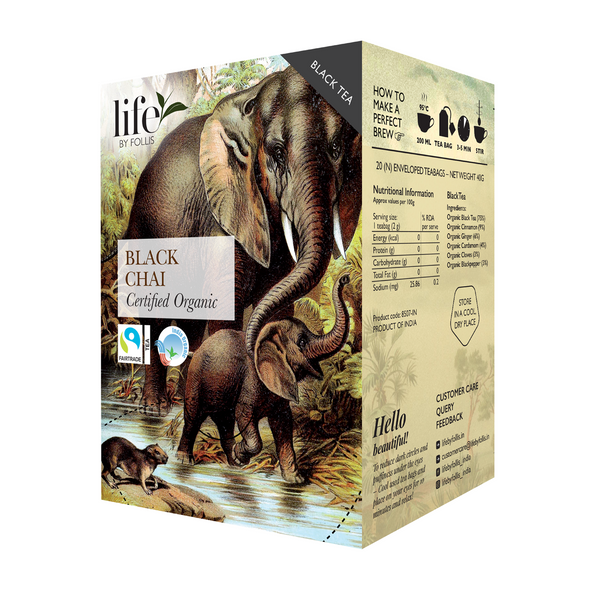
Organic vs Regular Tea: Quick Comparison
|
Factor |
Regular Tea |
Organic Tea |
|
Growing method |
Conventional, may use synthetic pesticides |
No synthetic pesticides or chemical fertilisers |
|
Leaf processing |
Often CTC (crushed, smaller fragments) |
Often whole-leaf |
|
Pesticide residue risk |
Present, though regulated |
Minimal to none |
|
Flavour profile |
Strong, straightforward |
More nuanced, gradual |
|
Price |
Generally lower |
Generally higher |
Does Organic Tea Actually Taste Different?
Genuinely, often yes, though this is more a byproduct of processing method than the "organic" label itself. Whole-leaf tea, more common among organic producers, tends to unfold in flavour as it steeps, offering more complexity than the fast, strong, one-note brew typical of crushed CTC tea. This isn't a universal rule (excellent whole-leaf teas exist outside organic certification too), but the overlap between organic farming and traditional whole-leaf processing does mean organic tea often delivers a noticeably different drinking experience, not just a cleaner one.
For a herbal option, Life By Follis Lemon Ginger Herbal Tea uses organic tea leaves without artificial flavours or additives.
To explore the full range, browse our organic coffee and tea collection.
Is Organic Tea Worth the Extra Cost?
You drink tea daily, multiple times a day: The cumulative exposure difference over time makes organic a more meaningful choice.
You care about flavour complexity, not just convenience: Whole-leaf organic tea often delivers a noticeably richer drinking experience.
You're mostly using tea bags for a quick, strong brew: The flavour difference matters less here, though pesticide residue considerations still apply.
Budget is the main constraint: Regular tea from a reputable, regulated source is still a perfectly reasonable everyday choice.
Quick Summary
Organic and regular tea differ in genuine, practical ways: how they're grown, how they're processed, and often how they taste. Organic tea skips synthetic pesticides and is more frequently whole-leaf processed, which tends to produce a more complex flavour alongside the cleaner growing method. For daily drinkers, the switch is a reasonable one, though regular tea from a well-regulated source remains a perfectly fine everyday choice for those prioritising budget.
FAQs
Q1. Does organic tea contain more antioxidants than regular tea?
Ans: The evidence here is mixed and depends more on tea type, freshness, and processing than organic status alone. What's more consistently different is pesticide residue exposure and, often, flavour complexity due to whole-leaf processing common among organic producers.
Q2. Is regular tea unsafe to drink due to pesticides?
Ans: Not necessarily. Most countries regulate pesticide residue limits on tea, and regular tea from a reputable, compliant source is generally considered safe. Organic tea simply reduces this exposure further by avoiding synthetic pesticides in growing altogether.
Q3. Why is organic tea more expensive?
Ans: Organic farming typically has lower yields without synthetic inputs, requires certification processes, and often involves more labour-intensive whole-leaf harvesting and processing methods. These factors combine to make organic tea generally costlier than mass-produced conventional tea.
Q4. Is whole-leaf tea always organic?
Ans: No, whole-leaf tea and organic tea are related but separate things. Plenty of whole-leaf teas are grown conventionally, and it's the processing method (whole leaf vs crushed CTC), not organic certification, that most directly affects this particular quality.
Q5. How can I tell if a tea is genuinely organic?
Ans: Look for recognised organic certification on the packaging, rather than relying on marketing language like "natural" alone, which isn't a regulated term. A specific certification body and clear sourcing information are good signs of a genuine organic claim.
Q6. Does organic tea have less caffeine?
Ans: Not inherently. Caffeine content depends mainly on tea type (black, green, white) and processing, not organic status. An organic black tea will generally have caffeine levels comparable to a conventional black tea.


