

Neem in Skincare & Haircare: Benefits & How to Use It

Neem (Azadirachta indica) has genuine, fairly well-supported antibacterial and antifungal properties, backed by both lab studies and several small clinical trials, particularly for dandruff and mild acne-prone skin. Its most consistently useful role is calming scalp irritation caused by Malassezia, the yeast behind most dandruff, and supporting clearer skin by targeting acne-related bacteria. Neem isn't a cure-all, but among traditional Ayurvedic ingredients, it has one of the stronger evidence bases specifically for scalp and skin conditions linked to microbial activity.
Why Neem Has Been an Ayurvedic Staple for So Long
Neem has been used in Indian households for generations, everything from neem twigs for oral care to neem oil for skin and neem leaf paste for scalp issues. It's genuinely one of the more studied Ayurvedic ingredients in modern research, likely because its antimicrobial properties are strong and measurable enough to attract scientific interest beyond traditional use alone.
What makes neem worth understanding, rather than just trusting on tradition, is that a fair amount of its reputation actually holds up under closer study, more so than many trending "ancient remedy" ingredients.
What the Research Actually Shows
Neem for Dandruff
This is neem's best-supported use. Dandruff is largely caused by Malassezia, a yeast naturally present on the scalp that can overgrow and trigger flaking, itching, and irritation. Laboratory studies have found neem extract effective against Malassezia and other fungi linked to scalp conditions, in one study outperforming ketoconazole, a standard antifungal medication, against the specific yeast strains tested. Small human trials applying neem leaf paste or neem-based shampoo formulations have also shown measurable reductions in flaking and scalp irritation after a few weeks of consistent use.
A dedicated option is Khadi Care Herbal Neem Sat Shampoo, formulated to address dandruff and scalp irritation using neem's antibacterial and antifungal properties.
Neem for Acne and Blemish-Prone Skin
Neem's antibacterial action has been demonstrated against several bacteria strains in laboratory settings, including some linked to acne, by inhibiting bacterial cell membrane function. This gives neem a plausible, moderately supported role in supporting clearer skin, particularly for mild, bacteria-related breakouts, though like most natural antibacterial ingredients, it works more gradually and gently than targeted pharmaceutical acne treatments.
A straightforward option is Bhoomi Herbal Neem Arora Soap, a gentle daily cleansing bar using concentrated neem extract without harsh sulfates.

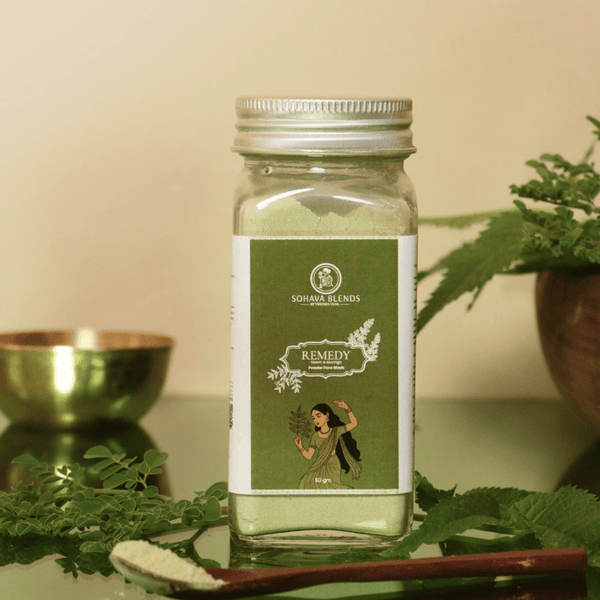
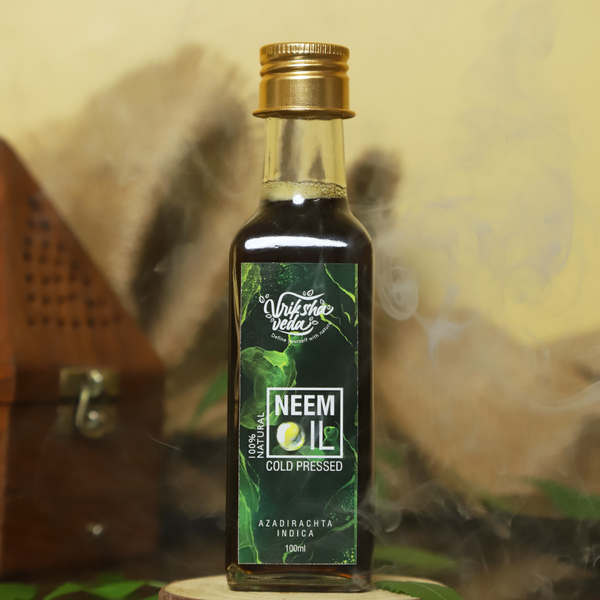
Neem for General Scalp and Hair Health
Beyond dandruff specifically, neem's anti-inflammatory properties may help calm general scalp irritation and itchiness, creating a healthier baseline environment for hair growth, though this is a more indirect, supportive benefit rather than a direct hair-growth stimulant.
A combined option is Rustic Art Neem Tulsi Hair Cleansing Bar, pairing neem with tulsi and activated charcoal for deep cleansing and scalp balance, suitable even for coloured or chemically treated hair.
Neem Skincare and Haircare: Evidence Snapshot
|
Use Case |
Evidence Level |
What to Expect |
|
Dandruff and Malassezia-related flaking |
Moderate-strong, lab + small human trials |
Noticeable improvement over several weeks |
|
Mild, bacteria-related acne |
Moderate, mainly lab-based |
Gentle, gradual support, not a fast fix |
|
General scalp irritation and itchiness |
Moderate, anti-inflammatory basis |
Calming, supportive effect |
|
Direct hair growth stimulation |
Weak, mostly indirect/traditional |
Approach with modest expectations |
How to Use Neem Effectively
For dandruff, be consistent. Studies showing benefit typically involved use over 2 to 4 weeks, not a single wash.
Choose formulated products over raw neem paste for daily use. Raw neem has a strong smell and can be harsh in concentrated, unformulated form.
Patch test if you have sensitive skin. Neem is generally well tolerated, but individual sensitivity varies, as with any active botanical.
Pair with gentle, sulfate-free formulas. This preserves the scalp's natural balance while neem's antimicrobial action does its work.
To explore more neem-based options, browse our organic shampoo and conditioner collection.
Quick Summary
Neem is one of the better-supported traditional ingredients in modern skincare and haircare research, particularly for dandruff and scalp irritation linked to fungal overgrowth, and to a lesser extent for mild, bacteria-related acne. It works through genuine antimicrobial and anti-inflammatory mechanisms rather than as a general cure-all, and consistent use over several weeks tends to show the most noticeable results.
FAQs
Q1. Does neem shampoo actually help with dandruff?
Ans: Yes, this is neem's best-supported use, with both lab studies and small clinical trials showing reduced flaking and scalp irritation after consistent use. It's one of the more evidence-backed traditional dandruff remedies available.
Q2. Is neem as effective as medicated anti-dandruff shampoo?
Ans: Some lab research has found neem extract effective against dandruff-causing fungus, in certain tests comparably or even more so than standard antifungal medication. That said, most of this evidence comes from smaller studies, so for persistent or severe dandruff, a dermatologist-recommended treatment may still be more reliable.
Q3. Can neem help with acne?
Ans: Neem shows genuine antibacterial activity against some acne-related bacteria in laboratory studies, giving it a reasonable, gentle supportive role for mild breakouts. It works more gradually than targeted acne treatments and is best suited to mild, bacteria-related acne rather than severe or cystic cases.
Q4. How long does it take to see results from neem for dandruff?
Ans: Clinical studies showing improvement typically involved 2 to 4 weeks of consistent use, whether through neem leaf paste application or a neem-based shampoo. Single or occasional use is unlikely to show the same measurable benefit seen in these studies.
Q5. Is neem safe for sensitive skin or scalp?
Ans: Generally yes, neem is well tolerated by most people, but as with any active botanical, it's worth patch testing first, especially with concentrated or raw formulations. Formulated products tend to be gentler than raw neem paste or oil used undiluted.
Q6. Does neem actually stimulate hair growth?
Ans: The evidence here is weaker and more indirect. Neem may support a healthier scalp environment by calming irritation and controlling fungal or bacterial overgrowth, which can indirectly support healthier hair, but direct hair growth stimulation isn't well established in current research.


