

Moringa Powder Benefits and Side Effects — Who Should Take It and Who Should Avoid It

Moringa powder benefits include extra vitamins A and C, calcium, iron, antioxidants, and modest support for blood sugar, blood pressure, and inflammation, with a good safety profile in most healthy adults at 1–5 g (½–1 teaspoon) a day. Side effects are uncommon at food-level doses but can include digestive upset, and moringa should be avoided or used only with medical guidance by pregnant women, breastfeeding women, people with a history of kidney stones, and anyone on blood sugar or blood pressure medication.
Quick Recap: What Moringa Powder Is
Moringa (drumstick) leaf powder is made from dried, ground leaves of the Moringa oleifera tree and is rich in vitamins, minerals, antioxidants, and some plant protein. Human studies suggest moringa leaf preparations may help with inflammation, blood sugar, blood pressure, and general nutritional support, and leaf extracts have shown a good safety profile in most healthy adults.
However, "generally safe" does not mean "safe for absolutely everyone in all doses," which is why it helps to clearly separate the benefits, the side effects, and who needs caution.
Moringa Powder Benefits, Quick Snapshot
Human studies and traditional use point to several consistent benefits of moringa leaf powder:
-
Fills nutritional gaps: vitamins A, C, calcium, iron, and antioxidants that support general nutrition
-
Supports blood sugar: may modestly reduce blood glucose and improve insulin response
-
Supports heart health: anti-inflammatory and antioxidant compounds linked to lower blood pressure and cholesterol
-
Supports energy and nutrient needs: dense in micronutrients and plant compounds, often used for irregular diets or recovery
For a full breakdown of each benefit and how to add moringa to your diet, see our detailed guide: Moringa Powder Benefits: Why This Superfood Should Be Part of Your Daily Routine. The rest of this guide focuses on who should take moringa, who should avoid it, and the side effects to know before you start.
Who May Benefit From Moringa Leaf Powder?
1. Generally Healthy Adults Wanting a Nutrient Boost
For most healthy adults with no major medical conditions, small daily amounts of moringa leaf powder (usually about 1–5 g, roughly ½–1 teaspoon) appear safe and can offer extra micronutrients and antioxidants. This group often uses moringa for:
-
Filling nutritional gaps (vitamins A, C, calcium, iron, antioxidants)
-
Supporting energy and reduced fatigue
-
Adding a “green” superfood element to smoothies, dals, or soups
2. People Focused on Blood Sugar and Metabolic Health (With Medical Oversight)
Several studies show moringa leaf powder can modestly reduce blood glucose and improve insulin response when used alongside diet and medication. This makes it interesting for:
-
People with type 2 diabetes or prediabetes
-
Those with metabolic syndrome or insulin resistance
But because it can lower blood sugar and blood pressure, this group should only use moringa under medical supervision to avoid hypoglycaemia or additive effects with medicines.
3. Individuals Working on Chronic Inflammation and Heart Health
Reviews highlight moringa's anti-inflammatory, antioxidant, and potential lipid-lowering effects, which may support:
-
High blood pressure
-
High cholesterol or triglycerides
-
Early non-alcoholic fatty liver disease
Here again, moringa leaf powder is best seen as an adjunct to lifestyle and prescribed treatment, not a substitute, and doses should be discussed with a doctor, especially if you are on heart or blood pressure medicines.
4. People With Low Energy or Increased Nutrient Needs
Because moringa is dense in micronutrients and plant compounds, it is often used by:
-
Busy adults with irregular diets
-
People recovering from illness (once their doctor agrees)
-
Those looking for plant-based nutrient support
In these cases, modest daily doses with food can help improve overall diet quality.
Suspire's Gut & Detox Supplements range includes other plant-based options worth comparing if you're building out a nutrient-support routine alongside moringa.
Moringa Powder Side Effects — What to Know
At typical food-level doses (½–1 teaspoon daily), moringa leaf powder has a good safety record in human studies, and serious side effects are rare. Still, a few effects are worth knowing before you start:
-
Digestive upset: starting with too much moringa too quickly, especially on an empty stomach, is the most commonly reported side effect
-
Lower blood sugar than expected: moringa can modestly reduce blood glucose; combined with diabetes medication, this can occasionally cause hypoglycaemia (see below)
-
Lower blood pressure than expected: moringa leaf preparations can have mild blood-pressure-lowering effects, which may combine with BP medication to cause dizziness or fatigue
-
Kidney stone risk in susceptible people: moringa leaves contain oxalates, which in susceptible people may contribute to kidney stone formation over time
-
Allergic reactions (uncommon): rash, itching, or breathing difficulty in people allergic to moringa or related plants (drumstick, horseradish tree, ben oil tree); this needs immediate medical care
Who Should Avoid Moringa Powder (or Use Only With Strict Caution)
1. Pregnant Women (Especially Early Pregnancy)
Multiple medical and safety sources advise pregnant women to avoid moringa leaf powder, mainly because moringa contains compounds (such as alpha-sitosterol) that can stimulate uterine contractions in experimental contexts.
-
Traditional use of moringa root and bark is particularly associated with miscarriage risk; leaves are considered safer but still not strongly proven safe for pregnancy.
-
To stay on the safe side, most clinical guides recommend avoiding moringa in pregnancy unless a doctor explicitly approves it.
2. Breastfeeding Women
Evidence for moringa in breastfeeding is limited and mixed:
-
Some traditional practices use moringa as a galactagogue (to increase milk), but robust clinical data are lacking.
-
Several safety guides advise breastfeeding women to be cautious or avoid moringa leaf powder until more data are available.
Any use here should be based on personalised medical advice, not general wellness articles.
For women navigating hormonal health more broadly, Suspire's PCOD & Women Wellness collection is worth exploring alongside a doctor's guidance.
3. People With Kidney Stones or High Stone Risk
Moringa leaves contain oxalates and other minerals that, in susceptible individuals, may contribute to kidney stone formation. Experts suggest:
-
People with a history of kidney stones (especially calcium-oxalate stones) should be cautious with daily moringa powder or avoid it altogether unless cleared by a nephrologist.
4. Individuals With Low Blood Sugar (Hypoglycaemia) or on Diabetes Medication
Because moringa can lower blood glucose, it may trigger hypoglycaemia when combined with:
-
Existing low blood sugar tendencies
-
Diabetes medications like insulin or sulfonylureas
This group should:
-
Only start moringa after doctor approval
-
Monitor blood sugar closely
-
Be prepared to adjust medication if advised by their clinician
5. Those on Blood Pressure Medications
Moringa leaf preparations can have mild blood-pressure-lowering effects. If you are already on antihypertensive drugs, combining them with moringa without supervision could push blood pressure too low (dizziness, fainting, fatigue).
Guidance:
-
People on BP meds should not self-supplement with moringa powder; they need medical sign-off and monitoring.
6. People With Known Allergies to Moringa or Related Plants
Anyone allergic to moringa or plants in the Moringaceae family (drumstick, horseradish tree, ben oil tree) should avoid moringa leaf powder. Allergic reactions can include rash, itching, breathing difficulty, or swelling and require immediate medical care.
What “Safe Use” Looks Like for Most Healthy Adults
For adults without the risk factors above, typical safe-looking patterns are:
-
Dose:
-
Start at ½ teaspoon (~1–2 g) per day, with food.
-
If tolerated, go up to around 1 teaspoon daily (~3–5 g).
-
Some studies used higher doses, but there is rarely a need to push toward the extremes.
-
Timing:
-
Morning or lunch, mixed in smoothies, dals, soups, or yogurt, rather than on an empty stomach in large amounts.
-
Monitoring:
-
Watch for digestive upset, changes in sleep, or unusual symptoms.
-
Stop and consult a doctor if you notice anything concerning.
-
Duration:
-
Think in terms of weeks to months, not days; moringa is about long-term nutritional support, not quick fixes.
Where “Moringa Powder Online” Fits In, and What to Check
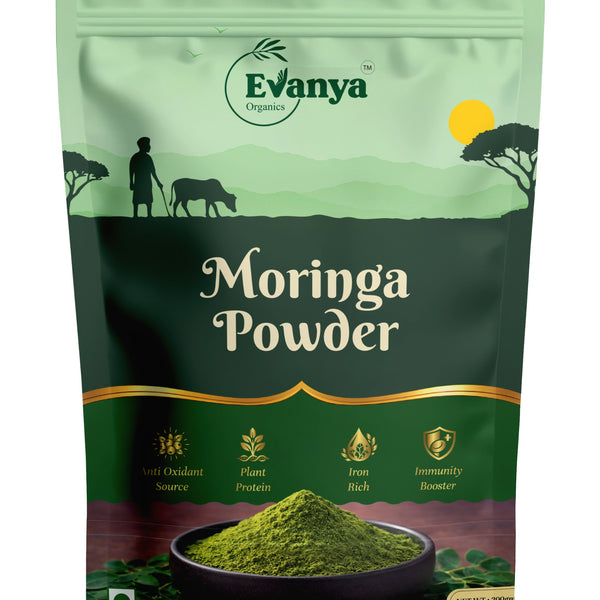
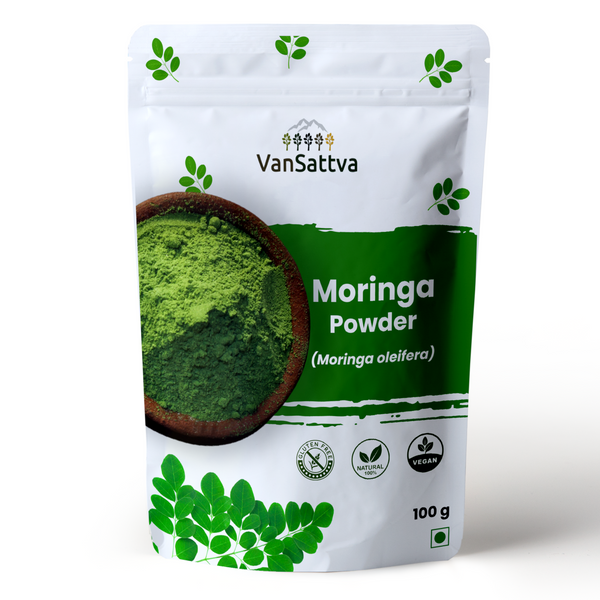
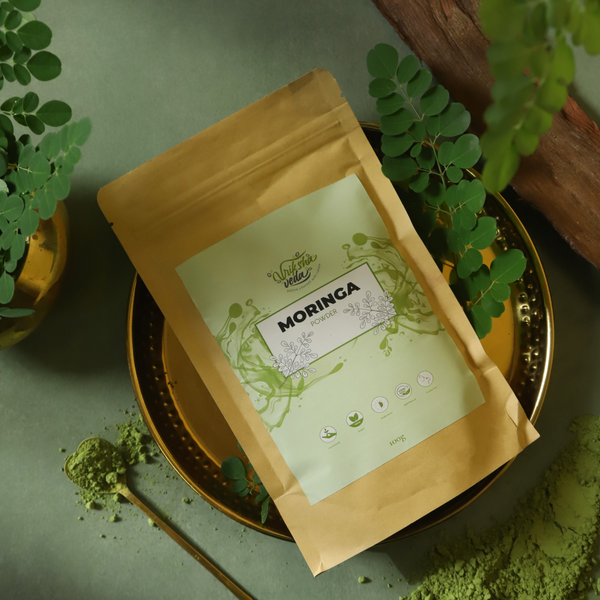
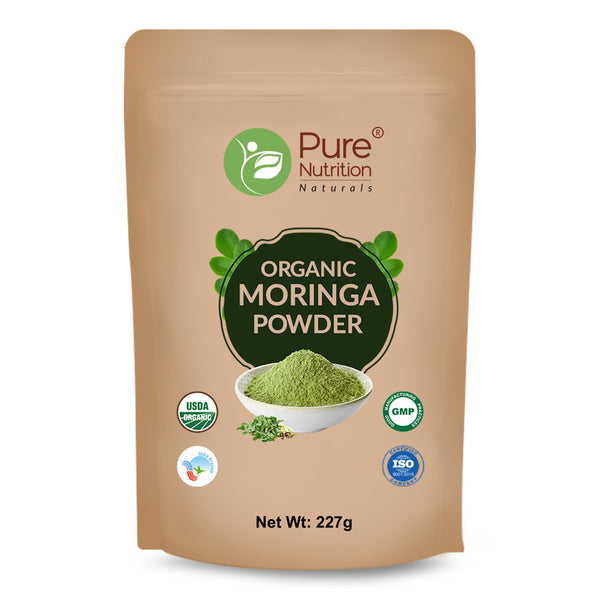
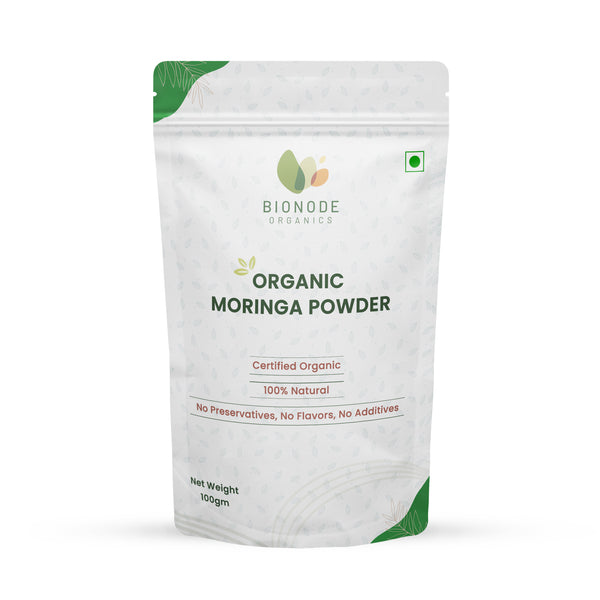
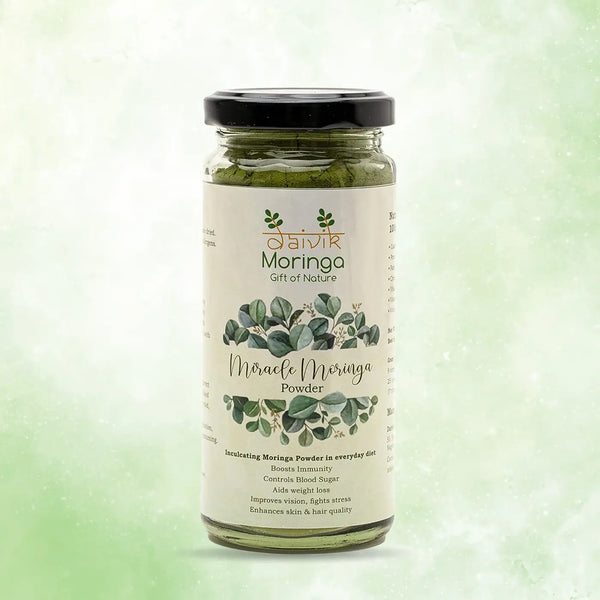
For platforms like Suspire that curate moringa powder online, clear user guidance helps align safety with trust:
-
Label should specify moringa leaf powder (not roots or bark).
-
Dosing guidance should match conservative evidence-based ranges (e.g., up to 1 teaspoon per day for healthy adults).
-
Product page or blog can explicitly list “who should avoid moringa”:
-
Pregnant or breastfeeding
-
Kidney stone history
-
On blood sugar or blood pressure meds
-
Known plant allergy
This positions moringa and drumstick powder as powerful but not casual, aligned with “trust over trends” and “long-term wellbeing over quick fixes.”
FAQs
Q. What are the main benefits of moringa powder?
Ans: Moringa powder benefits include vitamins A and C, calcium, iron, and antioxidants, plus modest support for blood sugar, blood pressure, and inflammation. Human studies show a good safety profile in healthy adults at typical food-level doses of 1–5 g (½–1 teaspoon) per day.
Q. What are the side effects of moringa powder?
Ans: At sensible doses, side effects are uncommon and mainly digestive upset if you start with too much too quickly. Moringa can also lower blood sugar and blood pressure slightly, which matters if you're on related medication, and rare allergic reactions are possible in those sensitive to the Moringaceae plant family.
Q. Is moringa powder safe for most people?
Ans: For generally healthy adults at modest doses (about 1–5 g/day), moringa leaf powder appears safe in human studies, with no serious side effects reported in leaf-based preparations.
Q. Can moringa cause kidney stones?
Ans: Moringa leaves contain oxalates, which in susceptible people may contribute to kidney stone formation over time. People with a history of kidney stones, especially calcium-oxalate stones, should be cautious with daily moringa powder or avoid it unless cleared by a nephrologist.
Q. Can pregnant women take moringa powder?
Ans: Most medical and safety reviews advise pregnant women, especially in early pregnancy, to avoid moringa due to potential uterine stimulation and miscarriage risk.
Q. What are moringa side effects for women specifically?
Ans: Pregnant and breastfeeding women face the clearest caution: moringa may stimulate uterine contractions, and breastfeeding evidence is limited. Otherwise, side effects for women are the same as for anyone else, mainly digestive upset or interactions with blood sugar or blood pressure medication.
Q. Is moringa powder okay if I have diabetes?
Ans: It may help improve blood sugar, but because it can lower glucose, people with diabetes should only take moringa under medical supervision to avoid hypoglycaemia or drug interactions.
Q. What's a sensible daily dose for a healthy adult?
Ans: Starting at ½ teaspoon and staying around ½–1 teaspoon per day, mixed with food, is a conservative, evidence-aligned range for most healthy adults.


