

Makhana vs Popcorn: Which is the Healthier Snack?

Makhana (fox nuts) generally edges out popcorn on protein and mineral content, offering a good source of magnesium, potassium, and plant protein in a naturally low-fat, roasted form. Plain, air-popped popcorn is genuinely healthy too, higher in fibre per serving and a whole grain in its own right. The real difference usually comes down to preparation: roasted makhana and air-popped popcorn are both excellent choices, while butter-drenched or heavily seasoned versions of either can undo most of the benefit.
Two Traditional Snacks, One Modern Comparison
Makhana has been a staple in Indian kitchens for centuries, particularly during fasting periods, while popcorn has its own long history as a whole-grain snack enjoyed worldwide. Both have found a second life in recent years as "better for you" alternatives to fried, processed snacks, which naturally invites the comparison: if you're choosing a light, crunchy snack, which one actually serves you better?
The honest answer is that both are genuinely good choices compared to most packaged snacks. The differences between them are smaller and more nuanced than marketing sometimes suggests, and how each is prepared matters more than which one you pick.
Makhana: Nutritional Profile
Makhana, or fox nuts, are the puffed seeds of the prickly water lily plant, traditionally dry-roasted. They're naturally low in fat and calories while offering a meaningful amount of plant protein, along with minerals like magnesium, potassium, and manganese.
Because makhana is naturally low in sodium before any seasoning is added, and roasted rather than fried, it holds up well even in flavoured varieties, provided the seasoning itself isn't excessive.
Where makhana stands out:
-
Higher plant protein content per serving compared to plain popcorn
-
Good source of magnesium and potassium, minerals often under-consumed in typical diets
-
Naturally low glycemic index, making it a reasonable option for those watching blood sugar
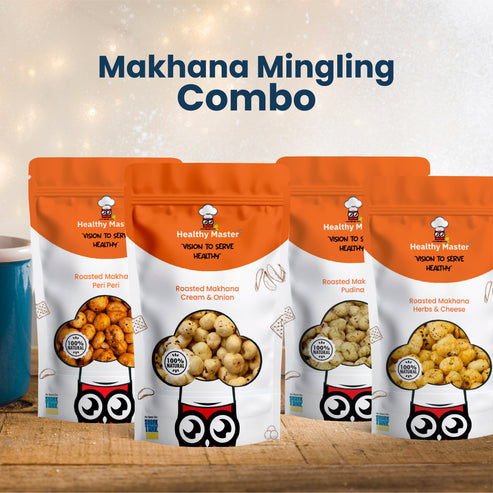
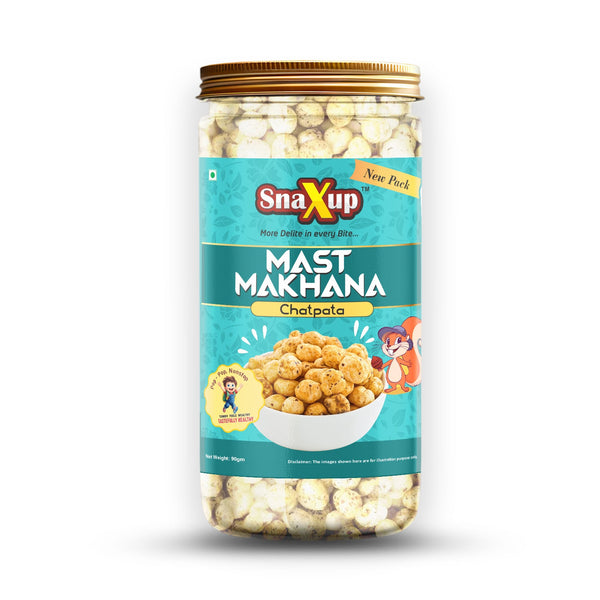
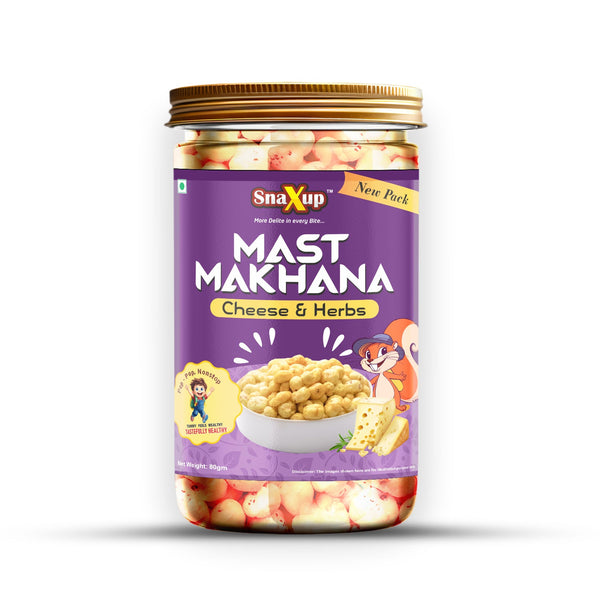
A straightforward option is Snaxup Mast Makhana Plain Salted, roasted rather than fried, or the flavoured Healthy Master Crispy Fox Nuts (Tangy Tomato), also roasted and free from trans fats.
Popcorn: Nutritional Profile
Popcorn is a whole grain in its own right, and plain, air-popped popcorn is genuinely one of the higher-fibre snack options available, gram for gram. This fibre content supports digestion and contributes to feeling fuller for longer, which is one reason popcorn is often recommended as a mindful snacking choice.
Popcorn's nutritional reputation takes a real hit specifically from how it's usually prepared and served: movie-theatre or heavily buttered popcorn can carry significantly more calories, saturated fat, and sodium than the plain, air-popped version most nutrition comparisons are actually based on.
Where popcorn stands out:
-
Higher fibre content per serving when air-popped and unsalted
-
Whole grain status, contributing to daily whole-grain intake
-
Naturally filling due to volume and fibre, useful for mindful portion control
The catch: preparation matters enormously. Butter, excess oil, and heavy salting can significantly change popcorn's nutritional profile, so how it's made determines whether it's genuinely a light snack or a calorie-dense one.
Makhana vs Popcorn: Quick Comparison (per 30g serving)
|
Factor |
Makhana (roasted, plain) |
Popcorn (air-popped, plain) |
|
Protein |
Higher, good plant protein source |
Lower, but still present |
|
Fibre |
Moderate |
Higher |
|
Fat |
Very low (roasted, not fried) |
Very low (air-popped) |
|
Key minerals |
Magnesium, potassium, manganese |
Manganese, some B vitamins |
|
Biggest risk factor |
Oil-fried or heavily salted versions |
Butter, movie-style preparation |
How Preparation Changes Everything
For both snacks, the honest comparison isn't makhana vs popcorn in the abstract, it's roasted, lightly seasoned makhana vs air-popped, lightly seasoned popcorn. Once you introduce deep frying, heavy butter, or excessive salt, either snack can end up far less "healthy" than its reputation suggests.
Choosing makhana: Look for roasted (not fried) varieties, and check sodium content if going for a flavoured option.
Choosing popcorn: Air-popped is the gold standard; if using oil, a small amount of a healthy oil beats butter or heavily processed seasoning blends.
Which Should You Actually Choose?
Want more protein in your snack? Makhana is the stronger choice.
Want maximum fibre and volume for the calories? Air-popped popcorn edges ahead.
Watching sodium intake? Plain roasted makhana is naturally lower in sodium before any seasoning is added.
Can't decide? Both are excellent choices compared to fried chips or processed snacks, rotating between the two adds variety without any real downside.
To explore more clean, roasted snack options, browse our healthy snacks collection.
Quick Summary
Makhana and popcorn are both genuinely healthy snack choices when prepared simply, roasted or air-popped rather than fried or heavily buttered. Makhana offers a protein and mineral edge, while popcorn brings more fibre and whole-grain content. The bigger factor for either snack is preparation: a lightly seasoned, roasted or air-popped version of both beats a heavily processed version of either.
FAQs
Q1. Is makhana healthier than popcorn overall?
Ans: Makhana tends to offer more protein and minerals like magnesium and potassium, while popcorn generally has more fibre. Neither is definitively "healthier" across every metric, both are excellent choices when prepared simply, roasted or air-popped rather than fried or buttered.
Q2. Is makhana good for weight loss?
Ans: Makhana can support weight management goals, since it's naturally low in calories and fat while offering protein that helps with satiety. As with any snack, portion size and preparation (roasted rather than fried) still matter for it to fit a weight-conscious diet.
Q3. Is air-popped popcorn actually healthy, or is that just marketing?
Ans: Air-popped, plain popcorn genuinely is a nutritious whole-grain snack, high in fibre and low in calories. The "unhealthy popcorn" reputation almost entirely comes from butter, oil, and heavy salting added during preparation, not the popcorn itself.
Q4. Can diabetics eat makhana or popcorn?
Ans: Both can generally fit into a diabetes-friendly diet in moderation, since makhana has a low glycemic index and plain popcorn is a whole grain with fibre that supports more gradual blood sugar response. Portion size and avoiding sugary or heavily salted versions still matter, and it's worth checking with a doctor for individual guidance.
Q5. Which snack is better for muscle building or post-workout recovery?
Ans: Makhana's higher protein content makes it the more relevant option for muscle-related goals, though neither snack provides enough protein on its own to significantly impact recovery. Pairing either with a proper protein source is more effective than relying on the snack alone.
Q6. Are flavoured makhana or popcorn still healthy?
Ans: It depends on how they're flavoured. Roasted (not fried) makhana with reasonable seasoning, or air-popped popcorn with a light coating, can still be healthy choices. Heavily fried, sugar-coated, or excessively salted versions of either lose much of their original nutritional advantage.


