

Is Apple Cider Vinegar Safe During Pregnancy? Benefits, Risks & How to Use It Safely

Apple cider vinegar is generally considered safe in small, diluted amounts during pregnancy for most people, but it isn't well-studied specifically in pregnant populations, and its acidity can cause digestive discomfort or interact with certain conditions. Given the lack of dedicated research, checking with your doctor before adding it to your routine is the safest approach.
Why This Question Comes Up During Pregnancy
Apple cider vinegar is popular for digestion, blood sugar management, and general wellness, and many people continue habits they had before pregnancy without necessarily checking if those habits remain appropriate. Pregnancy changes how the body processes certain substances, and what was a harmless routine before conception isn't automatically risk-free during pregnancy.
What We Actually Know
There's no strong body of research specifically studying apple cider vinegar's effects during pregnancy, which makes definitive claims difficult in either direction. What we do know:
-
Apple cider vinegar is a food product, not a medication, and has a long history of use in cooking and food preservation
-
Its acidity means it can irritate the digestive tract or throat if consumed undiluted, regardless of pregnancy status
-
Some pregnant individuals report using it for mild digestive discomfort or heartburn relief, though this isn't clinically established as an effective treatment during pregnancy
Potential Benefits People Associate With It
Outside of pregnancy, apple cider vinegar is commonly used for:
-
Supporting digestion when taken before meals
-
Mild blood sugar support, since some research suggests it may blunt post-meal blood sugar spikes
-
General wellness routines, often as part of a morning ritual
These uses aren't specifically validated for pregnancy, so they should be treated as general wellness claims rather than pregnancy-specific benefits.

Real Risks and Concerns During Pregnancy
A few specific concerns are worth taking seriously:
-
Worsened heartburn or acid reflux, which many pregnant individuals already experience more frequently due to hormonal changes and physical pressure from the growing uterus
-
Tooth enamel erosion, a concern for anyone but particularly relevant given increased susceptibility to dental issues during pregnancy
-
Potential interaction with blood sugar medications, relevant for those managing gestational diabetes
-
Undiluted consumption can cause throat or esophageal irritation
If You Choose to Use It: How to Do So More Safely
For those who get medical clearance to continue using apple cider vinegar during pregnancy, a few precautions reduce risk:
-
Always dilute it significantly, one to two teaspoons in a full glass of water, not undiluted
-
Avoid it on an empty stomach if you're prone to nausea or heartburn, which are already common in pregnancy
-
Use a straw to reduce contact with tooth enamel
-
Avoid it entirely if you have existing acid reflux, gestational diabetes on medication, or any digestive condition, unless specifically cleared by your doctor
Why Checking With Your Doctor Matters Here Specifically
Pregnancy involves enough physiological changes, from digestion to blood sugar regulation to medication interactions, that a blanket "it's just vinegar, it's fine" assumption isn't reliable. Your doctor or midwife can factor in your specific health history, any pregnancy complications, and medications you're taking in a way generic information online cannot. This is especially important if you're managing gestational diabetes, have a history of acid reflux, or are taking any prescribed medications.
What Doctors Generally Consider When Assessing This
When a doctor evaluates whether a food or supplement habit is appropriate during pregnancy, they're typically weighing several factors together: your specific trimester, any existing conditions like gestational diabetes or acid reflux, other medications you're taking, and the overall lack of dedicated research on that specific substance in pregnant populations. Apple cider vinegar sits in a category of many common foods and mild remedies that aren't flagged as dangerous, but also haven't been specifically studied enough to give a confident blanket yes. This is why individualised medical advice matters more here than general online guidance.
Safer Alternatives for Common Pregnancy Concerns
If your interest in apple cider vinegar is specifically for digestive support, there are pregnancy-friendlier options worth discussing with your doctor first, including certain probiotic-based approaches or dietary adjustments that don't carry the same acidity concerns.
A Note on Supplement Forms
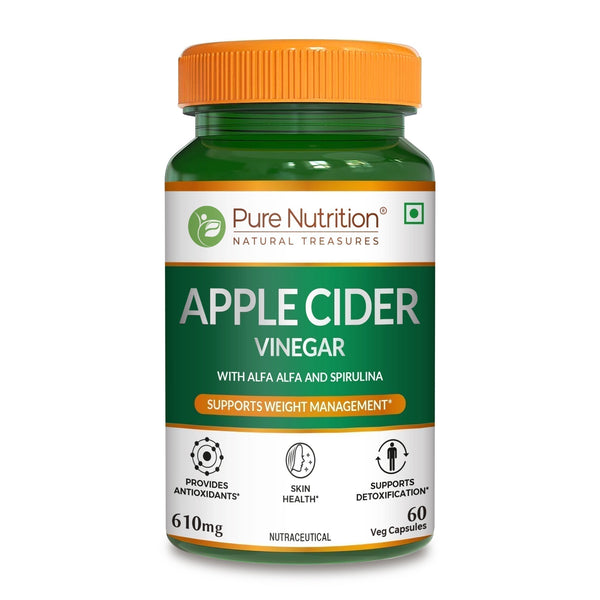
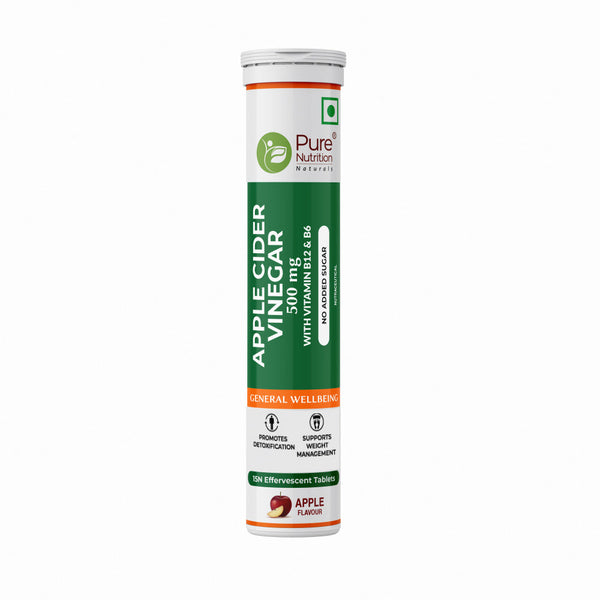
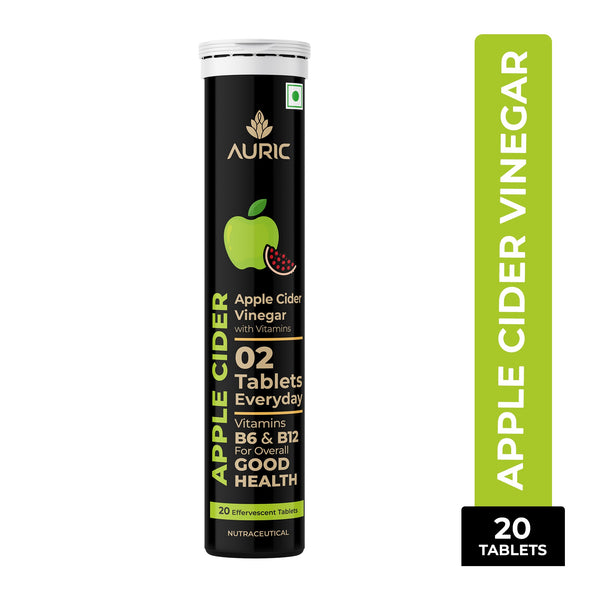
Some people prefer apple cider vinegar capsules over liquid forms specifically to avoid the acidity and tooth enamel concerns, but during pregnancy, any form of apple cider vinegar supplementation should still be discussed with your doctor first, since capsule form doesn't eliminate all potential concerns, just the direct acid exposure to teeth and throat.
Quick Summary
Apple cider vinegar is generally considered low-risk in small, diluted amounts during pregnancy for most healthy individuals, but it isn't well-studied specifically in pregnancy, and its acidity can worsen common pregnancy symptoms like heartburn. Given the lack of dedicated research and the physiological changes of pregnancy, checking with your doctor before use is the responsible approach, especially if you have any existing digestive or blood sugar conditions.
FAQs
1. Can apple cider vinegar cause a miscarriage?
Ans: There's no credible evidence linking normal culinary or diluted use of apple cider vinegar to miscarriage. However, given limited pregnancy-specific research, it's best to consult your doctor before regular use.
2. Is apple cider vinegar safe in the first trimester?
Ans: There's no specific evidence suggesting the first trimester carries unique risks from apple cider vinegar beyond general pregnancy considerations, but checking with your doctor is still recommended given the lack of dedicated research at any stage.
3. Can apple cider vinegar help with pregnancy nausea?
Ans: This isn't clinically established, and its acidity could potentially worsen nausea or heartburn in some individuals rather than help. It's not a recommended remedy without your doctor's input.
4. How much apple cider vinegar is safe during pregnancy?
Ans: There's no established safe dosage specific to pregnancy. If cleared by your doctor, small diluted amounts (one to two teaspoons in a full glass of water) are generally considered more cautious than larger or undiluted amounts.
5. Does apple cider vinegar affect gestational diabetes?
Ans: Apple cider vinegar may have mild blood sugar effects, which could interact with gestational diabetes management or medication. This makes medical guidance especially important for anyone managing this condition.
6. Are apple cider vinegar capsules safer than liquid during pregnancy?
Ans: Capsules avoid direct acid exposure to teeth and throat, but any form should still be discussed with your doctor during pregnancy, since the underlying safety question isn't only about the delivery method.


