

How to Choose Sustainable Sneakers for Everyday Wear

The right sustainable sneakers for everyday wear come down to four things: comfort that lasts through a full day, materials that are genuinely non-toxic, construction quality strong enough for daily use, and a brand that's transparent about what it makes its shoes from. Sustainability shouldn't come at the cost of comfort, and today, it rarely does.
Why Everyday Wear Changes the Equation
Choosing an occasional pair of shoes is easy. Choosing sustainable sneakers you'll actually wear five or six days a week is a different decision entirely. These are the shoes that carry you through commutes, errands, long work days, and everything in between, so comfort and durability matter just as much as the sustainability story behind them.
This is exactly where a lot of people get stuck while shopping for sustainable sneakers: they assume "eco-friendly" automatically means less comfortable or less durable. That's an outdated assumption.
Start With Comfort, Not the Label
A sneaker that looks sustainable on paper but hurts your feet by 3 pm isn't actually a good everyday choice. Before anything else, check for:
-
A footbed with real cushioning, not just a thin insert
-
Breathable uppers, especially important in humid Indian cities
-
A flexible sole that moves with your foot instead of resisting it
-
True-to-size fit, since sizing can vary more across sustainable brands than mainstream ones
Comfort is the foundation. Everything else- materials, ethics, durability- matters more once comfort is already sorted.
What Makes a Sneaker Actually Sustainable
Not every sneaker marketed as "eco" is built the same way. Genuinely sustainable sneakers usually rely on one or more of these:
-
Recycled materials, like shoes made from recycled plastic bottles or ocean waste
-
Natural or plant-based components such as cork, hemp, or organic cotton
-
Vegan leather footwear alternatives instead of animal hide
-
Water-based or low-impact dyes and adhesives
-
Manufacturing processes designed to reduce water and energy use
If you want to understand this shift in more depth, our piece on how vegan footwear helps reduce your carbon footprint walks through the environmental side in detail.
Non-Toxic Matters More Than People Realize
Sneakers sit against your skin for hours every day, so what they're made from matters beyond just the planet. Non-toxic footwear avoids the harsh solvents, heavy-metal-based dyes, and synthetic glues that some conventional sneakers still use. This is especially worth checking for anyone with sensitive skin, or for kids' and family footwear where daily skin contact is unavoidable.
Look for brands that are upfront about their materials rather than using vague terms like "eco-conscious" without explaining what that means in practice.
Durability: What to Actually Check
A sustainable sneaker that wears out in two months isn't sustainable; it just shifts the waste problem to later. When judging durability, look at:
-
Sole flexibility without cracking when bent
-
Stitching quality at stress points like the toe and heel
-
How the brand describes expected lifespan or wash-and-wear guidance
-
Reviews specifically mentioning long-term wear, not just first impressions
Well-built sustainable sneaker brands design for daily use, not just for the unboxing photo.
Matching Sneakers to Your Actual Routine
Not every sustainable sneaker suits every lifestyle. If you're on your feet most of the day, prioritise cushioning and breathability over style details. If you're mostly sitting at a desk with short commutes, you have more flexibility to choose based on look and material story. If you're active, walking, doing light workouts, or travelling, look specifically toward sustainable sports shoes built for movement rather than casual sneakers repurposed for exercise.
It also helps to think about where you'll actually wear them most. A sneaker that looks great for a weekend outfit isn't always built for eight hours of standing at work, and a heavier, structured sneaker built for outdoor walks can feel unnecessarily bulky for a mostly indoor, air-conditioned routine. Being honest about your week- how much walking, what surfaces, what weather- makes the shortlist much shorter and much more useful.
Sizing and Fit: A Common Pain Point
Fit issues come up more often with sustainable sneakers than with mainstream mass-market brands, mainly because smaller manufacturers sometimes use different last shapes or sizing standards. A few habits reduce the risk of a poor fit:
-
Check the brand's specific size chart rather than assuming your usual size will translate directly
-
Read fit-related reviews, since customers often flag if a brand runs narrow, wide, small, or large
-
Try both feet on if buying in-store, since minor size differences between feet are normal
-
Favour brands with clear exchange policies if you're buying online for the first time
A Brand Worth Checking Out
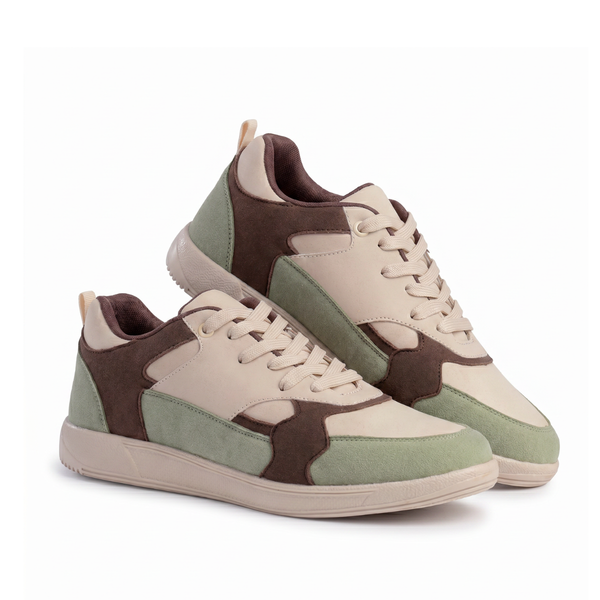
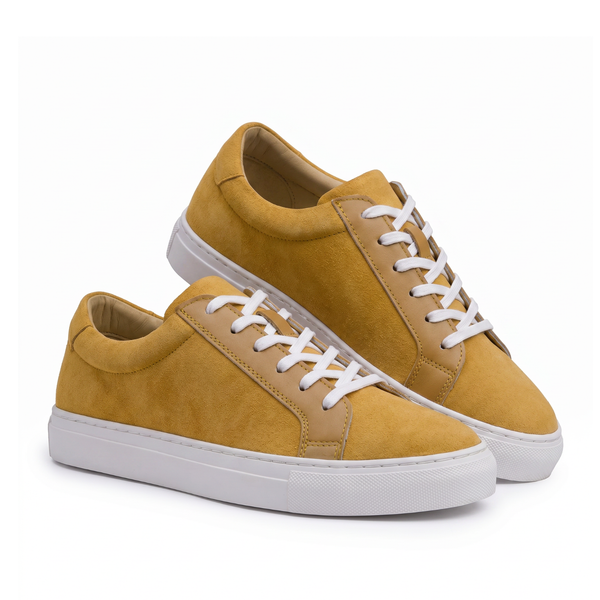
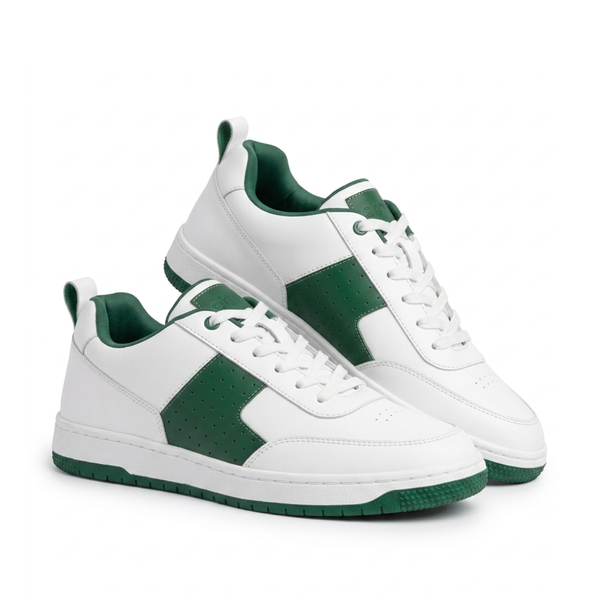
For men specifically looking for everyday sneakers alongside more formal vegan leather options in one place, Ethik is worth a look. The brand's sneaker range sits comfortably in the casual-to-smart-casual zone, built with the same non-toxic, cruelty-free approach that applies across its formal shoes, loafers, and belts, useful if you'd rather buy your everyday and semi-formal footwear from one place you already trust.
Price: What's Reasonable to Expect
Sustainable sneakers often sit at a similar price point to good-quality mainstream sneakers, sometimes slightly higher due to material sourcing and smaller-batch production. That said, price alone isn't a reliable quality signal. A mid-range pair from a transparent, quality-focused brand will usually outperform an expensive pair from a brand that's vague about construction.
Quick Summary
Choosing sustainable sneakers for everyday wear starts with comfort, followed by genuinely non-toxic materials, real durability, and a brand that's transparent about how the shoes are made. Sustainability and comfort aren't a trade-off anymore; the best everyday sneakers today deliver both.
FAQs
1. Are sustainable sneakers as comfortable as regular sneakers?
Ans: Yes, when made by brands that prioritise footbed cushioning and breathable materials. Comfort depends on construction quality, not on whether the sneaker is labelled sustainable or not. Always check for proper cushioning and true-to-size fit.
2. What materials should I look for in sustainable sneakers?
Ans: Look for recycled materials, plant-based components like cork or hemp, and vegan leather alternatives. Water-based adhesives and dyes are also a good sign. Avoid vague "eco-friendly" claims without specific material details.
3. How long do sustainable sneakers usually last?
Ans: With proper care and rotation, well-made sustainable sneakers can last as long as conventional ones, often a year or more of regular wear. Durability depends more on stitching and sole quality than the sustainable label itself.
4. Are sustainable sneakers good for humid or rainy weather?
Ans: Many are, especially those with breathable, quick-drying materials. Check specifically for water-resistant coatings if you'll be wearing them through monsoon months, since not all sustainable materials handle prolonged wetness equally well.
5. Do sustainable sneakers cost more than regular ones?
Ans: Sometimes slightly, due to material sourcing, but not always. Many sustainable sneaker brands are priced comparably to mainstream options. Focus on construction transparency rather than assuming a higher price always means better quality.
6. Can sustainable sneakers be worn for light workouts?
Ans: Casual sustainable sneakers are best for everyday wear, but for workouts, look specifically for sneakers designed with athletic support and cushioning rather than repurposing casual pairs for exercise.


