

How Pollution and Lifestyle Affect Your Respiratory Health

Pollution and lifestyle choices can affect your respiratory health by irritating the lungs, making breathing feel heavier, and reducing overall comfort over time. Common triggers include smoke, dust, poor indoor air, inactivity, and repeated exposure to polluted environments.
Why Breathing Can Feel Harder
If your breathing feels off, the cause is often not one single thing. It can be a mix of outdoor pollution, indoor dust, smoke exposure, poor sleep, and low physical activity. Over time, these factors can make your chest feel tight or your breathing feel less effortless.
Many people start looking for lung detox tablets, lung detox supplements, or a natural lung detox when they notice this kind of discomfort. That reaction is understandable, but the bigger issue is usually ongoing exposure rather than a need for a quick fix.
How Pollution Affects the Lungs
Air pollution can irritate the respiratory system and make it harder for the lungs to function comfortably. This is especially relevant in cities where traffic fumes, dust, and poor air quality are part of daily life.
When polluted air becomes part of your routine, your body may respond with coughing, throat irritation, heaviness in the chest, or lower stamina. In that situation, a lung detoxification mindset should focus on reducing exposure first, not just adding a supplement.
Indoor Air Matters Too
Many people focus only on outdoor pollution, but indoor air quality matters just as much. Dust, smoke, strong cleaning fumes, mold, and poor ventilation can all make breathing feel less comfortable.
A simple lung detox at home routine can start with better ventilation, less dust buildup, and fewer irritants in the living space. These small steps often do more for comfort than many lung detox products marketed online.
Lifestyle Habits That Matter
Lifestyle can affect breathing more than people realize. Low activity, poor posture, shallow breathing, and regular exposure to smoke all put extra stress on the lungs. A person who sits for long hours and moves very little may notice they feel breathless more easily.
On the other hand, regular movement, walking, and calm breathing habits can support the lungs naturally. That is why many people looking for the best lung detox or best lung detox supplement are often really looking for a broader lifestyle reset.
Smoking and Respiratory Stress
Smoking is one of the most obvious lifestyle factors that harms respiratory health. It irritates the airways, increases mucus and coughing, and makes it harder for the lungs to work well over time.
Some people search for lung detox for smokers or detox supplements for smokers because they want support after years of exposure. That is understandable, but the most important step is reducing or stopping the exposure that keeps causing the damage.
What You Can Do Daily
A realistic natural lung detox approach is simple and practical:
-
Reduce exposure to smoke and polluted air.
-
Keep windows open when air quality allows.
-
Clean dust regularly.
-
Move your body daily.
-
Practice slow, relaxed breathing.
-
Avoid strong fumes and irritants indoors.
These habits support comfort and make breathing feel easier over time. They also work better than relying only on lung detox capsules or lung detox pills.
[What to Eat and Drink for Better Respiratory Support]
Where Supplements Fit In
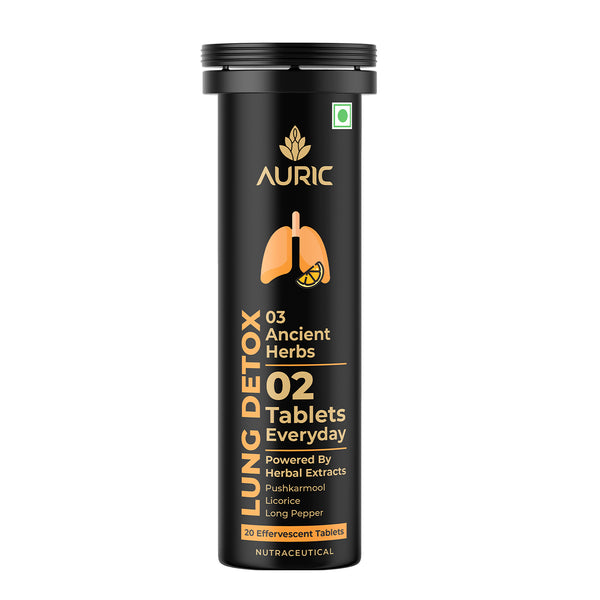
Some people use lung detox capsules, lung detox products, or herbal lung detox formulas as part of their wellness routine. These products may be positioned to support respiratory comfort, but they should be seen as support tools rather than cures.
If a product is marketed as lung detox tablets with benefits in a dramatic way, it is worth staying realistic. The lungs do not usually need a miracle detox as much as they need less irritation and more daily care.
Why Experts Recommend Exposure Control First
Respiratory health experts generally focus on reducing exposure because that is the most direct way to protect the lungs. Clean air, smoke avoidance, regular movement, and good indoor habits tend to offer more reliable support than any single supplement.
[Feeling Heavy or Low on Breath? Simple Ways to Support Your Lung Health Daily]
Quick Summary
Pollution, smoke, dust, poor indoor air, and lifestyle habits can all affect respiratory health. The best support usually comes from reducing irritants, improving air quality, staying active, and using lung detox tablets or supplements only as part of a larger care routine.


FAQs
1. Can pollution really make breathing feel heavy?
Ans: Yes, pollution can irritate the lungs and make breathing feel more difficult or less comfortable. People often notice coughing, throat irritation, or chest heaviness when they spend a lot of time in polluted environments.
2. What lifestyle habits hurt respiratory health the most?
Ans: Smoking, inactivity, poor sleep, shallow breathing, and repeated exposure to smoke or fumes can all affect the lungs. These habits make it harder for the body to breathe comfortably and recover from daily stress.
3. Do lung detox supplements help with pollution exposure?
Ans: They may support overall respiratory wellness, but they are not a replacement for reducing exposure. If pollution is the issue, cleaner air and better daily habits usually matter more than any product alone.
4. Is a natural lung detox enough for smokers?
Ans: Not usually. A natural lung detox approach can support comfort, but the most important change for smokers is reducing or stopping smoking. Without that step, the lungs keep getting exposed to the same damage.
5. Can lung detox products improve breathing at home?
Ans: They may help some people feel more supported, but the biggest home improvements usually come from ventilation, less dust, and fewer irritants. Lung detox at home works best when the environment itself is cleaner.
6. What is the best lung detox supplement for daily use?
Ans: The best option is the one with clear ingredients, realistic claims, and a format you can take consistently. A good product should support respiratory wellness without promising instant or exaggerated results.
7. Does indoor dust affect lung health?
Ans: Yes, dust can irritate the respiratory system, especially if it builds up over time or if ventilation is poor. Keeping indoor spaces cleaner can make breathing feel noticeably more comfortable.
8. Can exercise help respiratory health?
Ans: Regular movement can help support lung function and make breathing feel easier over time. Even simple activities like walking or stretching can be useful when done consistently.


