

Healthy Seeds: Different Types of Seeds with Health Benefits

Chia, flax, pumpkin, sunflower, basil, and sesame seeds are among the most nutritionally valuable seeds, each offering a distinct mix of fibre, healthy fats, protein, and micronutrients. Rather than picking just one, rotating a variety gives you a broader range of nutritional benefits than relying on any single type.
Why Seeds Deserve More Attention in Your Diet
Seeds are nutritionally dense in a way that's easy to underestimate given their small size; a small daily serving can meaningfully contribute to your fibre, healthy fat, and mineral intake. Different seeds bring different strengths, which is why understanding the specific types helps you make more informed choices rather than treating "seeds" as one generic category.
Chia Seeds
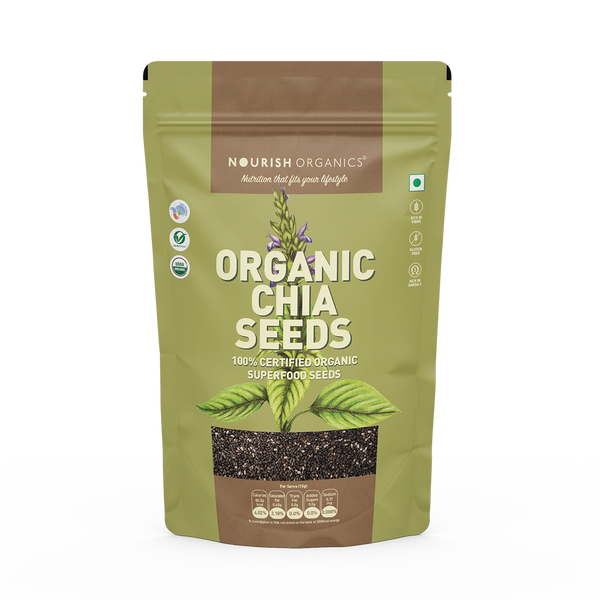
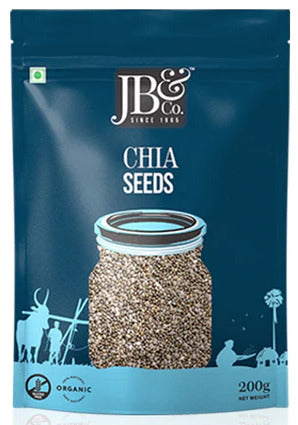
Known for their gel-forming texture when soaked, chia seeds are particularly rich in omega-3 fatty acids, fibre, and calcium. They work well in puddings, smoothies, and as an egg substitute in some baking recipes due to their binding properties when hydrated.
Flax Seeds
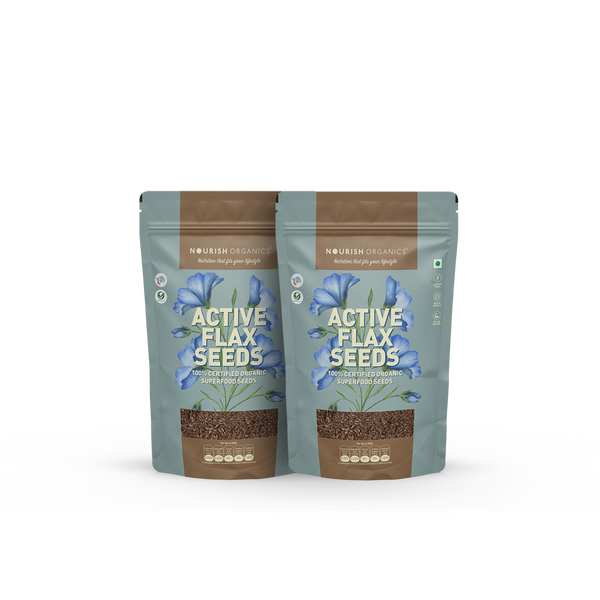
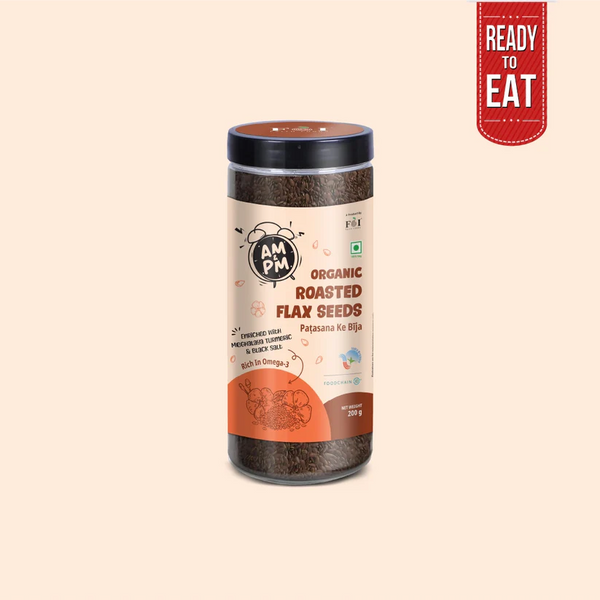
Flax seeds are one of the richest plant sources of omega-3 fatty acids (ALA) and lignans, a type of antioxidant with some hormone-balancing properties being studied. Flax seeds are best consumed ground rather than whole, since whole flax seeds often pass through the digestive system undigested, meaning you miss out on much of their nutritional value.
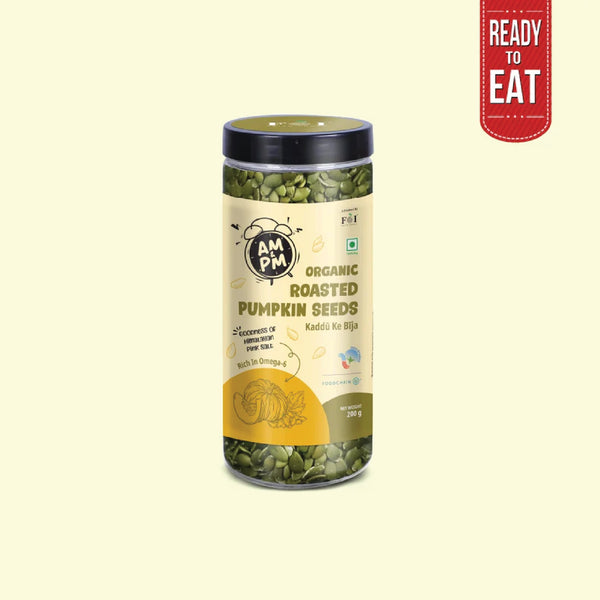
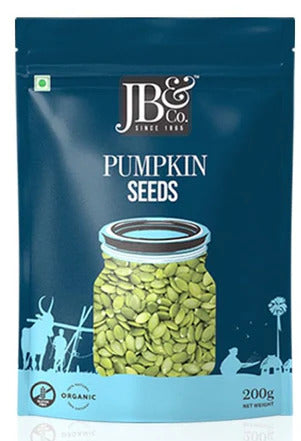
Pumpkin Seeds (Kaddu ke Beej)
Pumpkin seeds are notably high in magnesium, zinc, and plant-based protein, making them useful for those looking to boost mineral intake through diet. They also contain antioxidants and have a naturally pleasant, mild flavour that makes them easy to snack on directly, roasted or raw.
Sunflower Seeds
Sunflower seeds are a good source of vitamin E, a fat-soluble antioxidant that supports skin health, along with healthy fats and selenium. They're commonly eaten roasted as a snack or added to salads and granola for texture.
Basil Seeds (Sabja)
Basil seeds develop a distinctive gel coating when soaked, similar to chia, and are valued for their fibre content and traditional use as a cooling addition to summer drinks in Indian cuisine, alongside genuine digestive benefits.
Sesame Seeds
Sesame seeds are notably rich in calcium, making them a useful plant-based calcium source, along with healthy fats and antioxidant lignans similar to those found in flax. They're a staple in many cuisines, commonly used in tahini, as a garnish, or in traditional sweets.
How to Rotate Different Seeds Effectively
Rather than committing to just one type, a practical approach is:
-
Keep two to three varieties on hand and alternate between them week to week
-
Add ground flax or chia to smoothies and oats for omega-3 and fibre
-
Sprinkle pumpkin or sunflower seeds on salads for crunch and minerals
-
Use sesame seeds in cooking or as a garnish for a calcium boost
-
Soak basil or chia seeds for drinks, particularly useful in warmer months
A Convenient Way to Get Variety
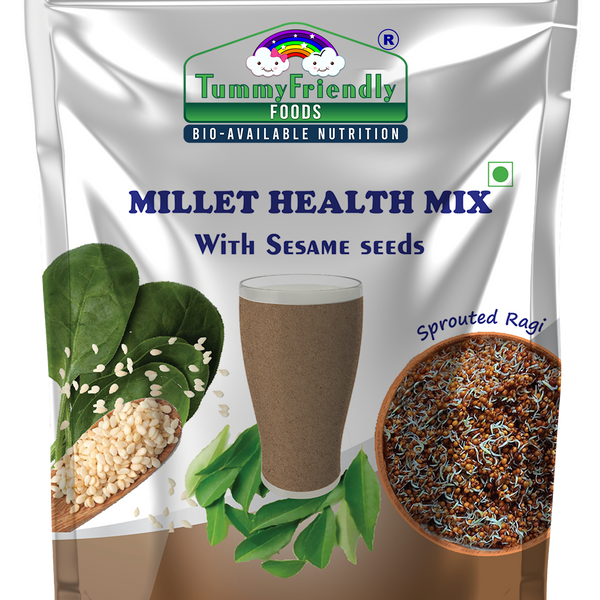
If rotating individual seed types feels like too much to manage, a seed mix that combines several varieties in one product is a practical shortcut, giving you a broader nutritional spread without needing to buy and store multiple separate packets.
General Precautions With Seeds
A few practical notes apply across most seed types:
-
Seeds that form a gel when soaked (chia, basil) should be hydrated before eating in large amounts, to avoid choking or digestive discomfort
-
Whole flax seeds are best ground for better nutrient absorption
-
Store seeds in a cool, dry place, or refrigerate, since their fat content can turn rancid if exposed to heat and light for extended periods
-
Start with small amounts if you're not used to a high-fibre diet, to allow your digestive system to adjust
Choosing Quality Seeds
Look for seeds that are properly cleaned, free of debris, and packaged to protect against moisture and light exposure. Organic options can reduce concerns about pesticide residue, particularly relevant for seeds consumed regularly in meaningful quantities.
Quick Summary
Different seeds, chia, flax, pumpkin, sunflower, basil, and sesame, each offer a distinct nutritional profile spanning fibre, omega-3s, minerals, and antioxidants. Rotating a variety rather than relying on just one type gives you a broader range of benefits, and proper preparation, particularly soaking or grinding where relevant, matters for getting the most nutritional value.
FAQs
1. Which seed is the healthiest overall?
Ans: No single seed is definitively "healthiest", each offers a different nutritional strength, from chia's omega-3s to pumpkin seeds' magnesium and zinc. Rotating varieties gives more well-rounded benefits than relying on just one.
2. Should flax seeds be eaten whole or ground?
Ans: Ground is generally better, since whole flax seeds often pass through the digestive system undigested, meaning you miss much of their nutritional value, particularly the omega-3 content.
3. Can I eat different seeds together in one meal?
Ans: Yes, combining seeds is a common and practical way to get a broader range of nutrients in one sitting, such as adding a seed mix to smoothies, oats, or salads.
4. How much seed intake is too much in a day?
Ans: There's no strict universal limit, but a combined total of two to three tablespoons of mixed seeds per day is a reasonable, commonly suggested amount for most healthy adults without overdoing fibre or calorie intake.
5. Do seeds need to be soaked before eating?
Ans: Gel-forming seeds like chia and basil benefit from soaking for both digestibility and safety, since dry versions can expand significantly when they absorb moisture. Seeds like pumpkin, sunflower, and sesame don't require soaking.
6. Are roasted seeds as healthy as raw seeds?
Ans: Light roasting generally preserves most of a seed's nutritional value and can improve flavour and digestibility, though very high-heat roasting or added oils and salt can reduce the overall health benefit compared to raw or lightly roasted versions.


