


Creatine does not cause dehydration in the way it's commonly believed to. Research consistently shows creatine actually draws water into muscle cells, which can slightly increase total body water rather than depleting it. The dehydration myth largely comes from outdated assumptions rather than solid evidence, though adequate water intake still matters when supplementing.
Where the Dehydration Myth Comes From
The idea that creatine causes dehydration or cramping has circulated in gym culture for years, partly because creatine does pull water into muscle cells, and people assumed this meant less water was available elsewhere in the body. Early anecdotal reports of cramping in athletes using creatine reinforced this idea, even though later research didn't consistently support a direct causal link.
What the Research Actually Shows
Multiple studies on creatine supplementation have specifically examined hydration status, and the findings generally don't support the dehydration concern:
-
Creatine increases intracellular water content, meaning more water is held within muscle cells, not less water overall in the body
-
Studies on athletes in hot, humid conditions taking creatine haven't shown increased rates of dehydration or heat illness compared to non-users
-
Some research suggests creatine may actually help with fluid regulation during exercise, rather than working against it
Why the Confusion Persists
Creatine does increase your body's total water content slightly, which people often misinterpret. Because water moves into muscle cells, some assume this means less water is available for other bodily functions, but this isn't how fluid balance actually works, the body regulates hydration across compartments, and creatine's water-pulling effect doesn't come at the expense of your overall hydration status.
Genuine Side Effects of Creatine
Dehydration isn't a well-supported side effect, but creatine does have some real, documented effects worth knowing:
-
Mild water retention, leading to slight weight gain in the first few weeks of use
-
Digestive discomfort in some people, especially with high doses or during the loading phase
-
Bloating, particularly if using non-micronised creatine that dissolves less easily
-
Rare reports of muscle cramping, though research hasn't established a strong causal link to creatine itself
Creatine Loading Phase vs Steady Dosing
Some people use a "loading phase", higher doses (around 20 grams daily) for the first 5-7 days, to saturate muscle creatine stores faster, before dropping to a maintenance dose. Others skip loading and simply take a steady 3-5 grams daily, which reaches the same saturation point over a few weeks instead of days. Loading phases are more commonly associated with mild bloating and digestive discomfort, simply because of the higher total dose consumed in a short window, which is worth knowing if you're sensitive to supplement-related stomach upset.
Should You Drink More Water on Creatine?
While creatine doesn't cause dehydration, maintaining good hydration is still sensible advice for anyone exercising regularly, with or without supplements. Since creatine draws water into muscle cells, staying adequately hydrated supports this process rather than working against it. This isn't a special requirement unique to creatine, it's simply good practice during any exercise routine involving supplementation.
How to Take Creatine Properly
A few practical guidelines help minimise any mild side effects while maximising creatine's benefits:
-
Stick to standard dosing, typically around 3-5 grams daily for maintenance, rather than excessive amounts
-
Choose micronised creatine monohydrate, which dissolves more easily and may reduce digestive discomfort
-
Take it consistently, since creatine works through steady saturation of muscle stores rather than immediate effects
-
Stay adequately hydrated throughout the day as part of a normal healthy routine, not as a specific creatine requirement
A Practical Option Worth Considering
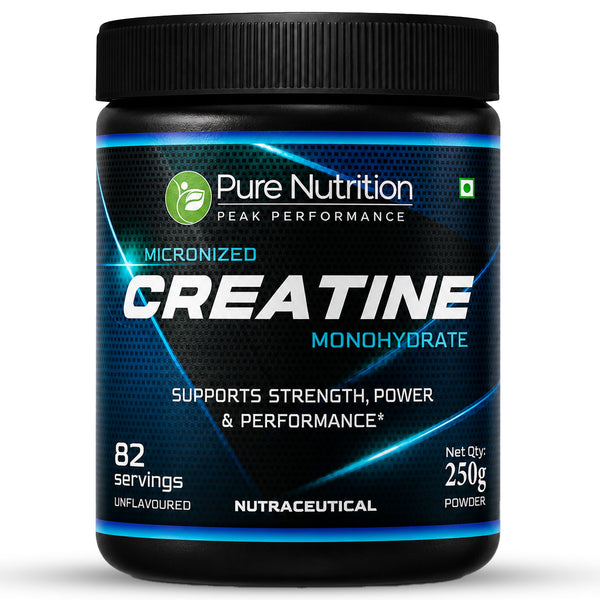
If you're choosing a creatine supplement, a micronised creatine monohydrate formula tends to be gentler on digestion and dissolves more completely, which can reduce the bloating or grittiness some people experience with standard creatine powders.
Who Should Be More Cautious With Creatine
While creatine is one of the most researched and generally well-tolerated supplements available, people with pre-existing kidney conditions should consult a doctor before starting, since creatine is processed through the kidneys. Anyone new to supplementation, or managing other health conditions, should also check with a healthcare provider rather than assuming standard dosing guidelines apply universally.
Quick Summary
Creatine does not cause dehydration; research shows it draws water into muscle cells rather than depleting the body's overall hydration. Genuine side effects like mild bloating or digestive discomfort can occur, particularly with non-micronised forms, but these are manageable with proper dosing and product choice. Maintaining normal hydration remains good practice, though it isn't a special requirement unique to creatine use.


FAQs
1. Does creatine make you dehydrated during workouts?
Ans: No, research doesn't support this. Creatine draws water into muscle cells rather than depleting overall body water, and studies on athletes haven't shown increased dehydration risk with creatine use.
2. Should I drink extra water when taking creatine?
Ans: Staying well-hydrated is generally good practice during any exercise routine, but creatine doesn't create a special hydration requirement beyond normal recommendations for active individuals.
3. Why do people think creatine causes cramps?
Ans: Early anecdotal reports linked creatine to cramping, but research hasn't established a strong, consistent causal relationship. Cramping during exercise has many possible causes unrelated to creatine.
4. Is micronised creatine better than regular creatine monohydrate?
Ans: Micronised creatine dissolves more completely, which can reduce bloating and digestive discomfort compared to standard creatine monohydrate, though both forms work similarly for muscle saturation.
5. Can creatine cause weight gain?
Ans: Yes, some initial weight gain is common due to water retention in muscle cells, typically a few pounds in the first weeks. This is different from fat gain and is a normal, expected effect.
6. Is it safe to take creatine long-term?
Ans: Research generally supports creatine as safe for long-term use in healthy individuals at standard doses. Those with kidney conditions or other health concerns should consult a doctor before starting.


