

Chia Seeds Benefits: Nutrition, Side Effects & How Much to Eat

Chia seeds are a genuinely nutrient-dense food, rich in fibre, omega-3 fatty acids, and plant protein, offering real benefits for digestion, heart health, and satiety. For most women, they're safe in moderate amounts, though excessive intake without enough water can cause digestive discomfort, and very high doses aren't recommended during pregnancy without medical guidance.
What Makes Chia Seeds Nutritionally Notable
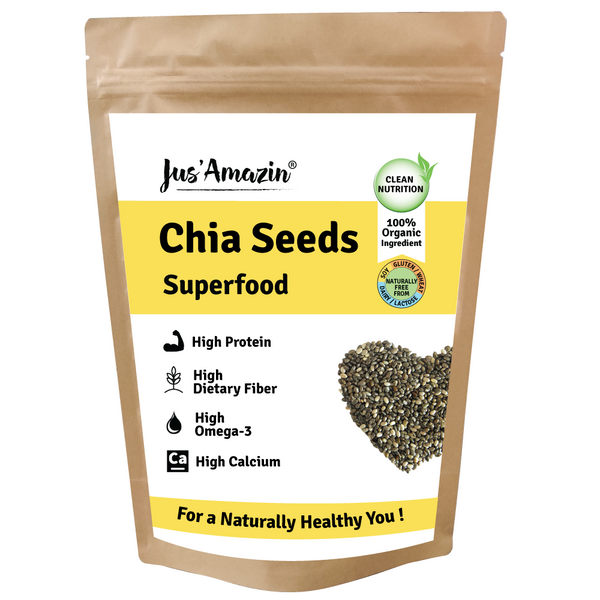
Chia seeds are small but nutritionally dense, packing a meaningful amount of nutrition into a small serving size:
-
High in fibre, both soluble and insoluble, supporting digestive health
-
A good plant-based source of omega-3 fatty acids (specifically ALA)
-
Contains complete plant protein, including all essential amino acids in smaller amounts
-
Rich in calcium, magnesium, and phosphorus, relevant for bone health
-
Contains antioxidants that help protect the seeds' fragile fats from oxidation
General Health Benefits
Regular, moderate chia seed consumption is associated with several genuine benefits:
-
Improved digestion and regularity, thanks to their high fibre content
-
Better satiety and fullness, which can support weight management goals
-
Support for healthy cholesterol levels, linked to their omega-3 and fibre content
-
Blood sugar support, since the gel-like fibre can slow carbohydrate absorption
-
A convenient plant-based calcium source, useful for those with limited dairy intake
Chia Seeds Side Effects Specifically Relevant to Women
While chia seeds are generally safe, a few specific considerations matter for women:
-
Digestive discomfort, bloating, or gas, particularly if increasing intake too quickly or not drinking enough water alongside them
-
Potential interaction with hormone-sensitive conditions is not well established, but women managing PCOD or other hormonal conditions should discuss significant dietary changes with their doctor
-
Chia seeds' high fibre content, while generally beneficial, can affect iron and mineral absorption if consumed in very large amounts alongside iron-rich meals, relevant for women managing iron levels
-
Choking risk if dry chia seeds are consumed without enough liquid, since they expand significantly when they absorb moisture
Chia Seeds During Pregnancy and Breastfeeding
Chia seeds in moderate, food-based amounts are generally considered acceptable during pregnancy and breastfeeding, offering useful nutrients like fibre, omega-3s, and calcium. However, very high intake isn't well studied in pregnancy specifically, and as with most dietary changes during this time, discussing any significant increase in chia seed consumption with your doctor is the more cautious approach.
How Much Chia Seed Is Actually Reasonable
Most nutrition guidance suggests around one to two tablespoons (roughly 15-30 grams) per day is a reasonable amount for most healthy adults to get meaningful benefits without overdoing it. Starting with a smaller amount and gradually increasing gives your digestive system time to adjust, particularly important for anyone not used to a high-fibre diet.
Chia Seeds vs Other Popular Seeds
Chia seeds are often compared to flax seeds and basil seeds (sabja), since all three are used similarly for their fibre and omega-3 content. Chia seeds hold their shape better when soaked, forming a more gel-like consistency than flax, which is often ground for better absorption. Compared to basil seeds, chia has a milder flavour and a slightly firmer texture once hydrated. Nutritionally, they're broadly similar, so the choice often comes down to texture preference and what you're using them for, chia works particularly well in puddings and smoothies, while flax is often better mixed into baked goods.
How to Prepare Chia Seeds Properly
Correct preparation matters both for digestibility and safety:
-
Soak chia seeds in water, milk, or a plant-based alternative for at least 15-20 minutes before eating, allowing them to form their characteristic gel-like texture
-
Avoid eating large amounts of dry chia seeds directly, since they can expand in the throat or digestive tract if not pre-hydrated
-
Add to smoothies, overnight oats, or yogurt as an easy way to incorporate them regularly
-
Store in an airtight container in a cool, dry place to preserve their delicate fats
Choosing Quality Chia Seeds
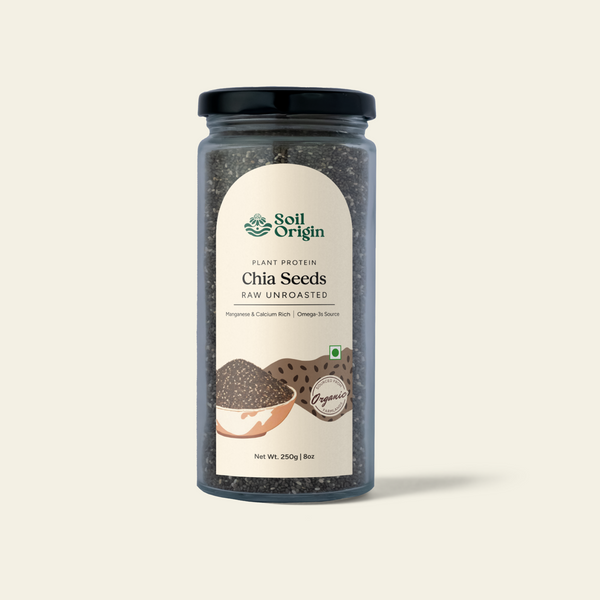
Look for organic chia seeds without additives, and check that they're stored properly, since chia seeds' fat content can degrade if exposed to heat or light for extended periods, reducing both flavour quality and nutritional value.
Who Should Be More Cautious
People with swallowing difficulties, certain digestive conditions like diverticulitis, or those on blood-thinning medications (due to chia's omega-3 content) should discuss chia seed consumption with their doctor before making it a regular part of their diet. Anyone new to high-fibre foods should also introduce chia gradually to avoid digestive discomfort.
Quick Summary
Chia seeds offer genuine nutritional benefits, fibre, omega-3s, plant protein, and key minerals, making them a valuable addition to most diets in moderate amounts. Side effects are generally mild and related to digestive discomfort or improper preparation, though women who are pregnant, managing hormonal conditions, or on certain medications should check with their doctor before significantly increasing intake.
FAQs
1. How many chia seeds should I eat per day?
Ans: Around one to two tablespoons (15-30 grams) per day is a reasonable amount for most healthy adults, offering meaningful nutritional benefits without excessive fibre intake.
2. Can chia seeds cause bloating?
Ans: Yes, particularly if you increase intake too quickly or don't drink enough water alongside them. Starting with a small amount and staying well hydrated helps minimise this.
3. Are chia seeds safe during pregnancy?
Ans: In moderate, food-based amounts, chia seeds are generally considered acceptable during pregnancy, offering useful nutrients. Discuss any significant dietary increase with your doctor, since high-dose safety isn't well studied specifically in pregnancy.
4. Do chia seeds affect hormones in women?
Ans: There's no strong established evidence of direct hormonal effects from normal chia seed consumption. Women managing hormonal conditions like PCOD should still discuss significant dietary changes with their doctor as general practice.
5. Can I eat chia seeds dry without soaking?
Ans: It's not recommended in large amounts, since dry chia seeds can expand significantly when they absorb moisture, posing a choking or digestive risk. Soaking them first in water or another liquid is safer.
6. Do chia seeds interfere with iron absorption?
Ans: In very large amounts, chia's fibre content could potentially affect mineral absorption, including iron, though this isn't a major concern at typical serving sizes. Those managing iron levels should discuss significant intake with a doctor.


