

Can You Be Allergic to Aloe Vera? Symptoms, Side Effects & What to Do

Yes, though uncommon, some people can be allergic or sensitive to aloe vera, experiencing skin irritation, redness, itching, or, in rare cases, more significant allergic reactions. Because aloe vera is widely marketed as universally gentle and natural, many people skip the patch test they'd normally do with a new skincare ingredient, but it's still worth doing.
Why Aloe Vera Allergies Happen
Aloe vera contains a range of compounds, including latex found in the outer leaf (different from the clear gel inside), certain proteins, and salicylates. For most people, these cause no issue at all, but a small percentage of the population can react to one or more of these components, particularly the latex compound, which is more allergenic than the inner gel itself.
Common Symptoms of Aloe Vera Sensitivity
Reactions typically fall into a few recognizable patterns:
-
Redness or rash at the site of application, sometimes appearing within minutes, sometimes after repeated use
-
Itching or burning sensation, distinct from the normal cooling feeling aloe vera typically provides
-
Mild swelling in the applied area
-
Hives or more widespread skin reaction in more sensitive individuals
-
In rare cases, more significant allergic responses requiring medical attention
Who Is More Likely to Be Sensitive
Certain groups have a somewhat higher likelihood of aloe vera sensitivity:
-
People with known allergies to plants in the Liliaceae family, which includes garlic, onions, and tulips
-
Those with generally sensitive or reactive skin, prone to irritation from various ingredients
-
People with existing skin conditions like eczema, where the skin barrier is already compromised
-
Anyone with a history of reacting to latex, since aloe vera's outer leaf contains latex-like compounds
How to Patch Test Before Full Use
A simple patch test significantly reduces risk before applying aloe vera to your face, scalp, or larger areas of skin:
-
Apply a small amount to the inner forearm or behind the ear
-
Wait 24-48 hours, checking periodically for any redness, itching, or irritation
-
If no reaction occurs, it's reasonably safe to try on the intended area, starting with a small amount
-
If any reaction appears, wash the area thoroughly and avoid using that product going forward
Topical vs Oral Aloe Vera Sensitivity
It's worth distinguishing between skin application and oral consumption, since aloe vera is also used in juices and supplements. Oral aloe vera, particularly aloe latex (different from the inner gel), can cause digestive upset, cramping, or diarrhea in sensitive individuals, and has different safety considerations entirely from topical use. If you're specifically asking about skin reactions, focus on topical patch testing; if you're considering oral aloe vera products, that warrants a separate conversation with a healthcare provider, especially regarding dosage and any interactions with medications.
Aloe Vera Allergy vs Normal Tingling Sensation
It's worth distinguishing between a genuine allergic reaction and the normal cooling or mild tingling sensation aloe vera often produces on application, which many people experience and isn't a cause for concern. A true reaction typically involves redness, persistent itching that worsens rather than fades, or visible swelling, sensations that continue or intensify well after application, rather than a brief cooling feeling that settles within a minute or two.
What to Do If You React
If you experience irritation after using aloe vera:
-
Wash the affected area thoroughly with mild soap and water
-
Avoid further use of that specific product
-
Apply a cool compress if there's noticeable redness or discomfort
-
Seek medical attention if you experience difficulty breathing, significant swelling, or widespread hives, as these could indicate a more serious allergic reaction
Choosing Products If You Have Sensitive Skin
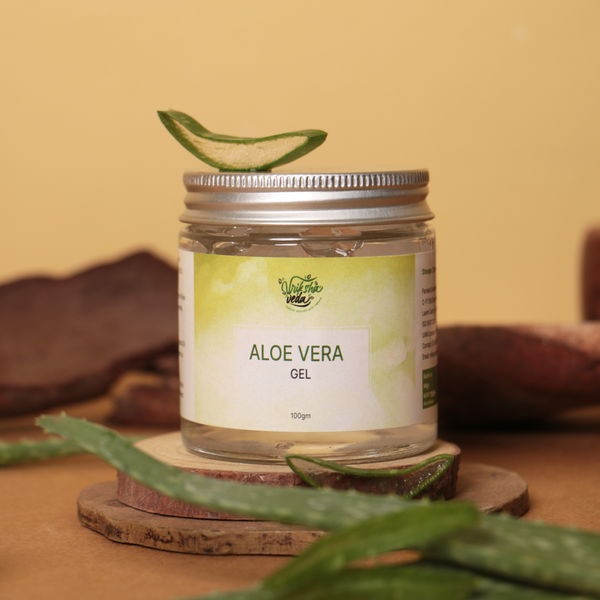
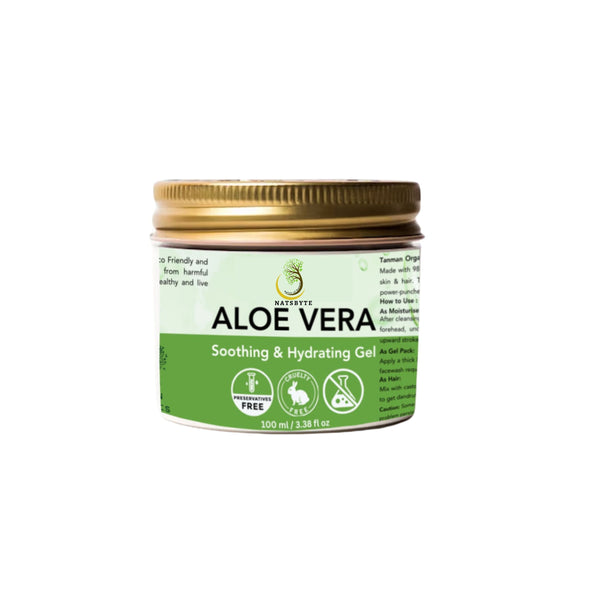
If you've patch-tested successfully but still have generally sensitive skin, choosing a pure, minimally processed aloe vera gel without added fragrances, alcohol, or colorants reduces the chance that a reaction is actually caused by an additive rather than the aloe vera itself.
Reading Labels to Reduce Risk
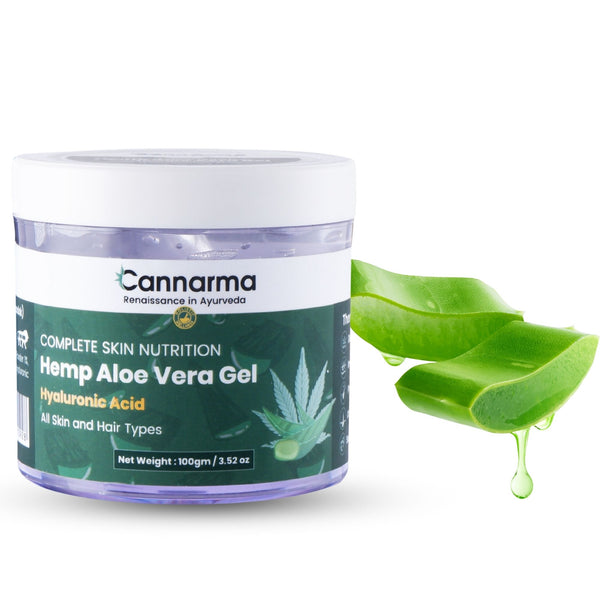
Many commercial aloe vera products include added ingredients, fragrances, preservatives, alcohol, or dyes, that are actually more likely culprits for irritation than pure aloe vera itself. If you've reacted to a product before, checking whether it was a heavily formulated version versus pure gel can help you determine whether aloe vera itself is the issue, or whether a specific additive was responsible.
Quick Summary
Yes, aloe vera allergies and sensitivities do occur, though they're relatively uncommon. Symptoms typically include redness, itching, or mild swelling at the application site. Patch testing before full use, choosing pure and minimally processed products, and being aware of latex-related plant allergies can help you use aloe vera more safely.
FAQs
1. How common is aloe vera allergy?
Ans: It's relatively uncommon compared to many other skincare ingredients, but it does occur, particularly in people with existing plant or latex allergies. Patch testing is still a wise precaution for anyone trying it for the first time.
2. What does an aloe vera allergic reaction look like?
Ans: Common signs include redness, itching, burning, or mild swelling at the application site, sometimes progressing to hives in more sensitive individuals. Severe reactions requiring medical attention are rare but possible.
3. Can I be allergic to aloe vera in skincare but not in food?
Ans: Yes, topical and oral reactions involve different exposure routes and can affect people differently. Someone might tolerate aloe vera gel on skin but react to oral aloe vera products, or vice versa.
4. How long does it take for an aloe vera reaction to show up?
Ans: Reactions can appear within minutes for acute sensitivity, or develop after repeated use for milder sensitivities. This is why a 24-48 hour patch test window is recommended rather than just checking immediately.
5. Is aloe vera latex more allergenic than the gel?
Ans: Yes, generally. The latex found in the outer leaf layer is more commonly associated with allergic reactions than the clear inner gel, which is why product purity and processing matter.
6. Should I stop using all aloe vera products if I react to one?
Ans: Not necessarily; first check if the product contains other additives like fragrance or alcohol that could be the actual cause. If a patch test with pure aloe vera gel alone also causes a reaction, then avoiding aloe vera products altogether is the safer choice.


