

Biotin vs Keratin for Hair: Which Actually Works?

Biotin and keratin aren't really competing solutions; they work at different stages. Biotin is a B-vitamin you take internally that supports your body's own keratin production. Keratin is the structural protein hair is actually made of, and it's typically applied topically through shampoos and treatments to smooth and strengthen strands from the outside. For hair that looks and feels healthier over time, biotin supports the foundation, while keratin treatments address the surface.
Why This Comparison Gets Confusing
Biotin and keratin show up together constantly in hair care marketing, which makes it easy to assume they're interchangeable or that you're choosing one over the other. In reality, they're not two versions of the same solution. One is a nutrient your body uses, and the other is the protein your hair is literally built from.
Understanding this distinction changes how you shop for hair support altogether. It's less about picking a winner and more about knowing which one addresses what you're actually trying to fix.
What Biotin Actually Does for Hair
Biotin, also known as Vitamin B7, is a water-soluble vitamin the body needs for several metabolic processes, including the production of keratin, the protein that makes up hair, skin, and nails. Many nutritionists suggest that biotin's role in hair health is less about adding something new and more about making sure your body has what it needs to build healthy strands from the root.
Biotin deficiency, while not extremely common, can contribute to hair thinning and brittleness. For most people, biotin supplementation is taken as a daily tablet, gummy, or capsule, often alongside other hair-supportive nutrients.
Where biotin tends to help most:
-
Supporting the body's natural keratin production process
-
Addressing hair thinning linked to nutritional gaps
-
Supporting overall hair, skin, and nail health from within
-
Working gradually over weeks to months of consistent use
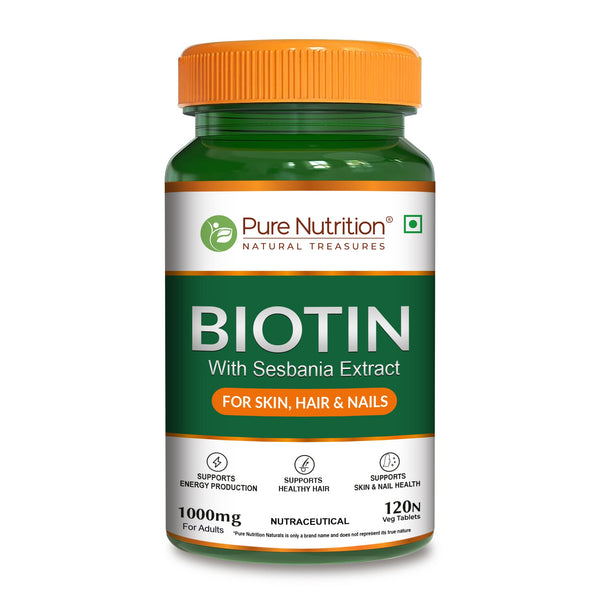
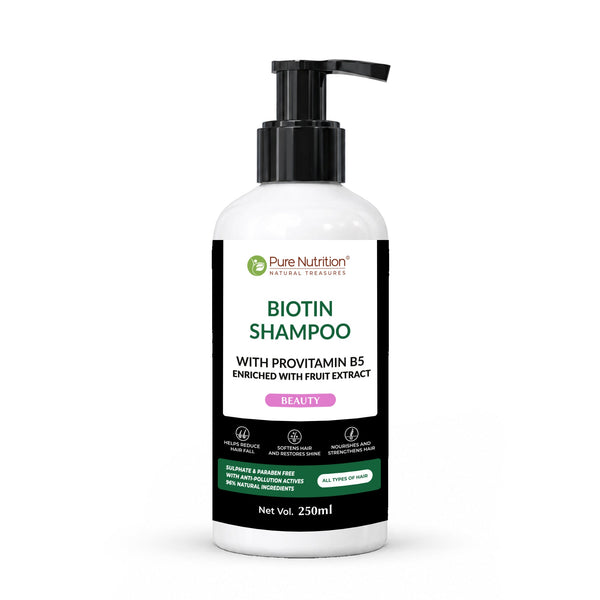
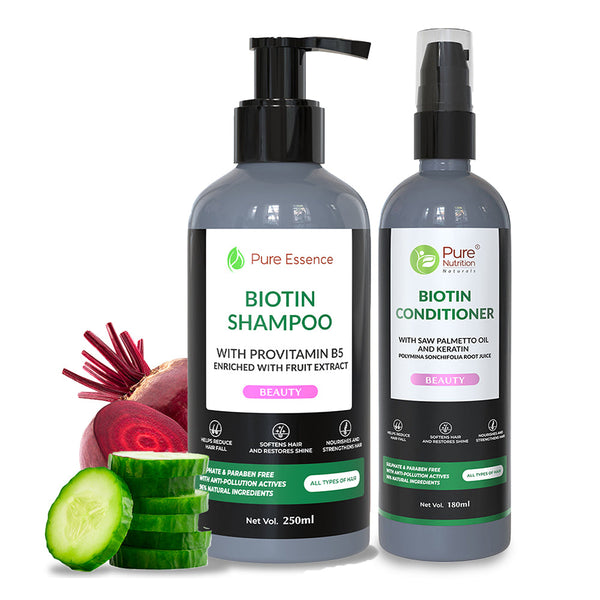
If you're looking to support hair from the inside out, Pure Nutrition Biotin 10,000 mcg offers a high-strength daily dose formulated for hair, skin, and nails.
What Keratin Actually Does for Hair
Keratin is different in an important way: it isn't something you take, it's what your hair is already made of. Each strand is roughly 90 percent keratin protein. Over time, factors like heat styling, chemical treatments, sun exposure, and general wear can damage this protein structure, leaving hair feeling rough, frizzy, or weak.
This is why keratin in hair care almost always shows up as a topical ingredient rather than a supplement. Hydrolyzed keratin in shampoos and treatments works by temporarily filling in gaps in the damaged hair cuticle, smoothing the surface and reinforcing strands from the outside.
Where keratin treatments tend to help most:
-
Repairing visible damage from heat, colour, or chemical treatments
-
Smoothing rough or frizzy hair texture
-
Reducing breakage caused by weakened hair structure
-
Delivering visible results faster than internal supplements, since it works on the hair you already have
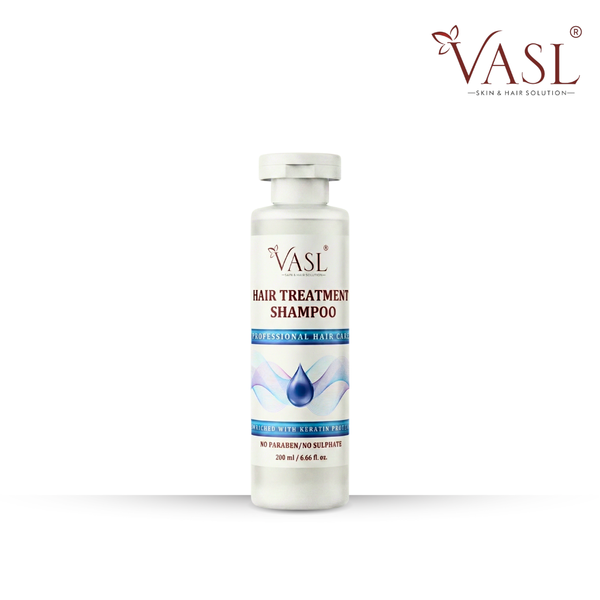
For hair that's feeling damaged or over-processed, Vasl Keratin Hair Treatment Shampoo uses hydrolyzed keratin to rebuild the hair's protein structure from the outside.
Biotin vs Keratin: Quick Comparison
|
Factor |
Biotin |
Keratin |
|
What it is |
A B-vitamin (B7) taken internally |
A structural protein hair is made of |
|
How it's used |
Tablets, capsules, gummies |
Shampoos, serums, topical treatments |
|
How it works |
Supports the body's own keratin production |
Fills gaps in damaged hair cuticle from outside |
|
Where results show |
Root-level growth, over weeks to months |
Surface texture, often visible immediately |
|
Best for |
Thinning, brittleness linked to nutrient gaps |
Frizz, damage from heat or chemical treatments |
Should You Use Both Together?
Yes, and for most people, this is actually the most sensible approach rather than an either-or decision. Biotin and keratin address hair health at two completely different levels: biotin supports what your body is building at the root, while topical keratin treatments care for the hair strands you already have on your head.
If your main concern is hair that feels thin or grows slowly, start with a biotin supplement and give it time. If your hair feels rough, frizzy, or damaged from styling, a keratin-based shampoo or treatment will likely show more noticeable results, faster.
For a combined approach, Nutrainix Organics Hydrating Biotin & Keratin Shampoo pairs both ingredients in one formula for damaged, dry hair.
To explore more hair-focused formulas, browse our hair serum and mask collection.
How to Choose the Right Approach for You
Hair feels thin, is shedding more than usual, or growth feels slow? Start with a biotin supplement and stay consistent for at least a few months.
Hair feels rough, frizzy, or damaged from heat and chemical treatments? A keratin-based shampoo or treatment will likely give you quicker, visible improvement.
Dealing with both thinning and damage? Combining an internal biotin supplement with a topical keratin routine addresses both angles at once.
As with any hair or nutrition-related supplement, results build gradually, and it's worth speaking to a healthcare professional if hair thinning is sudden, severe, or accompanied by other symptoms.
Quick Summary
Biotin and keratin aren't rivals; they work at different stages of hair health. Biotin is an internal nutrient that supports your body's own keratin production, while keratin treatments work topically to repair and smooth the hair you already have. The most effective hair routine usually includes both: consistent nutritional support from within, paired with the right topical care for existing damage.
FAQs
Q1. Is biotin or keratin better for hair growth?
Ans: Biotin is more relevant for hair growth, since it supports the body's internal keratin production process at the root. Keratin treatments improve the look and feel of existing hair but don't directly influence new hair growth.
Q2. Can I take biotin and use keratin shampoo at the same time?
Ans: Yes, they work at different levels and don't conflict. Biotin supplements support hair from within, while a keratin shampoo works on the surface of the hair you already have, so using both together is a common and reasonable approach.
Q3. How long does it take to see results from biotin for hair?
Ans: Biotin typically needs consistent daily use for at least a few months before noticeable changes appear, since hair growth itself is a slow process. Results from topical keratin treatments are usually visible much sooner, often after just one or two uses.
Q4. Does keratin shampoo actually add keratin to your hair?
Ans: Yes, most keratin shampoos contain hydrolyzed keratin, a smaller, more absorbable form of the protein that can temporarily fill in gaps along the damaged hair cuticle, improving smoothness and strength until it washes out over time.
Q5. Can too much biotin cause side effects?
Ans: Biotin is generally considered safe at recommended doses, though very high intakes have been linked to interference with certain lab test results. It's worth mentioning any biotin supplement to your doctor before bloodwork and sticking to the dose on the label.
Q6. Is keratin treatment the same as a keratin supplement?
Ans: No. Keratin treatments are topical products, like shampoos or salon treatments, applied to the hair's surface. Oral keratin supplements are far less common, since the body doesn't absorb and use dietary keratin the way it does with vitamins like biotin.


