

Best Montessori Toys in India (2026)

The best Montessori toys in India are simple, natural-material toys - usually wood - that let a child lead the play instead of the toy directing it. Think stacking rings, shape sorters, nesting cups, and open-ended blocks, all matched to your child's current stage rather than the flashiest option on the shelf.
Why Montessori Toys Have Become an Everyday Parenting Choice
Somewhere between the flashing lights and pre-recorded songs of most modern toys, a lot of parents started asking a simple question: is my child actually doing anything with this, or just watching it perform?
Montessori toys answer that differently. Based on Dr. Maria Montessori's philosophy of child-led learning, they're designed to be simple, purposeful, and mostly quiet - no batteries, no single "correct" outcome, no distractions competing for attention. The child does the work, and that's exactly the point. For many Indian parents, it's become less of a parenting trend and more of a practical, screen-free way to fill playtime with something that actually holds a toddler's focus.
What Actually Makes a Toy "Montessori"
Plenty of toys are labelled Montessori-inspired without really following the principles behind the word. Here's what genuinely qualifies:
-
Natural materials. Wood, cotton, and metal over plastic. Natural materials feel different in a child's hands - real weight, texture, and temperature - which supports sensory development in a way uniform plastic can't.
-
One clear purpose. A good Montessori toy teaches one concept well - sorting, stacking, balance - rather than doing five things at once.
-
Self-correcting design. A shape sorter only accepts the right piece in the right slot. A child learns through the toy's natural feedback, not by being told the answer.
-
Open-ended use, where relevant. Some Montessori materials (like blocks or a rainbow stacker) can be used many different ways, letting play evolve as the child grows.
-
No batteries, lights, or sound effects. Montessori toys are quiet by design, so the child's own thinking - not the toy's programming - drives the play.
Montessori Toys by Age: What to Choose and When
Matching the toy to the stage matters more than the price tag or how advanced it looks.
0-6 months (infants): Simple sensory materials - wooden rattles, grasping rings, high-contrast mobiles. These support early visual tracking and grip development, nothing more complex is needed yet.
6-18 months: Stacking rings, nesting cups, and simple posting toys. This is the "fill, dump, and repeat" stage - toddlers learn through pure repetition, so toys that reward that are ideal. Keep pieces large, since choking risk is still a real concern under age three.
18 months-3 years: Shape sorters, simple wooden puzzles, and early building blocks. Fine motor control and problem-solving take over here, and self-correcting toys work especially well.
3-6 years: Open-ended block sets, lacing and threading cards, pattern blocks, and practical-life materials like child-safe pouring sets. Preschoolers are ready for more complexity and longer, imagination-led play.
If you're building out a full nursery play corner, our guide on choosing safe, non-toxic toys for infants pairs well with this list for the earliest stage.
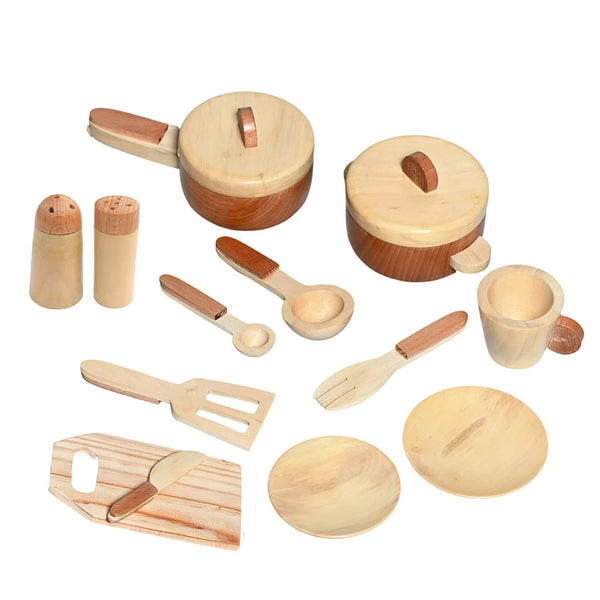
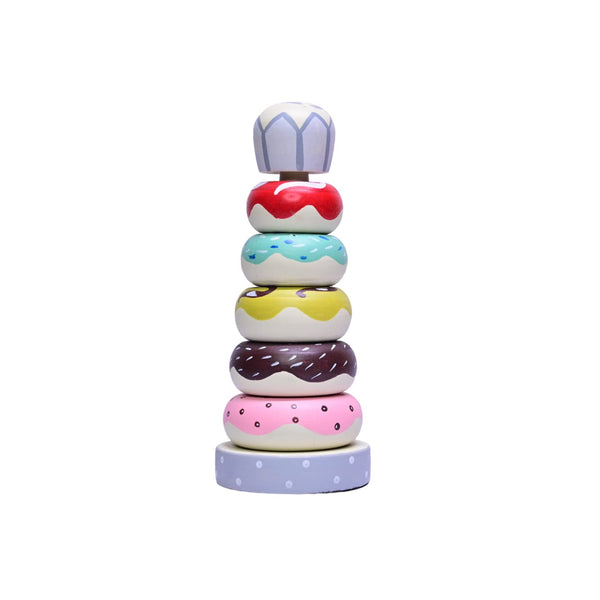
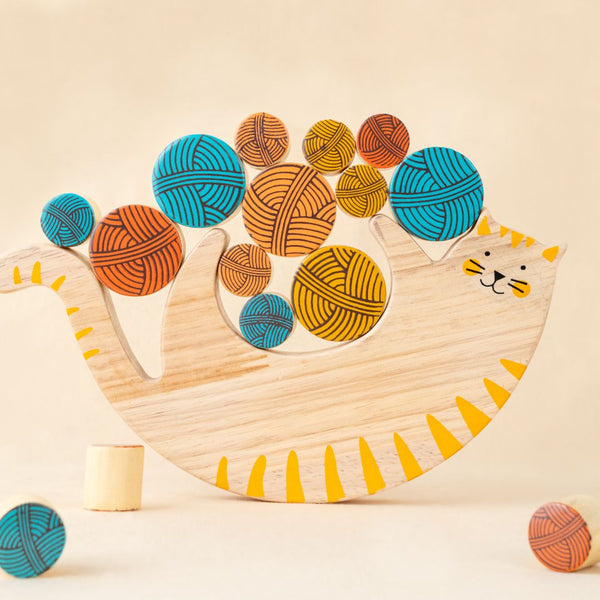
How to Choose the Right Montessori Toys Without Overbuying
It's easy to assume more toys means more learning. In practice, the opposite is usually true - a handful of well-chosen, rotated toys tends to hold a child's attention far better than an overflowing toy box.
A few practical guidelines:
-
Start small. Five or six well-matched toys, rotated every couple of weeks, work better than twenty sitting untouched.
-
Check the finish. Look for water-based, non-toxic paints and smooth, splinter-free edges - especially important for toys under 3.
-
Choose calm over stimulating. If a toy has lights, sounds, or a screen, it's not really Montessori, however it's marketed.
-
Let function lead design. A beautiful toy is a bonus - the real test is whether it invites a child to think, sort, build, or problem-solve.
-
Buy for the stage, not the age on the box. Every child moves through stages at a different pace, so match the toy to what your child is actually doing right now.
Quick Summary
Genuine Montessori toys are simple, natural-material, screen-free toys that let a child lead the play - think stacking rings, sorters, and open-ended blocks rather than anything with lights or sound. Choosing well means matching the toy to your child's current stage, checking for non-toxic finishes, and resisting the urge to overbuy. A few well-chosen, rotated pieces usually beat a full toy box.
FAQs
Q. What is a Montessori toy, exactly?
Ans: A Montessori toy is a simple, natural-material toy designed for child-led play, usually with one clear purpose and a self-correcting design. Unlike toys with lights, sounds, or preset outcomes, it requires the child to think, sort, or problem-solve to complete the activity.
Q. Are wooden toys always better than plastic ones for toddlers?
Ans: Not automatically, but wooden toys tend to be more durable, calmer to play with, and free of the flashing lights and noise that can overstimulate young children. Plastic toys aren't inherently unsafe - the better question is whether the toy encourages real thinking or just passive watching.
Q. What are good Montessori toys for a 1-year-old in India?
Ans: Stacking rings, nesting cups, and simple posting toys work well at this age, since toddlers are in a repetitive fill-and-dump stage of learning. Keep pieces large enough to avoid choking risk, and choose smooth, non-toxic wooden finishes.
Q. How many Montessori toys does a child actually need?
Ans: Fewer than most parents expect. A small, rotated selection of five to six toys usually leads to deeper, more focused play than a large, overflowing collection, since children engage more when there's less to choose from at once.
Q. Are Montessori toys worth the higher price compared to regular toys?
Ans: For many families, yes, since well-made wooden Montessori toys are durable enough to be passed down or resold, unlike shorter-lived plastic alternatives. The value comes from longevity and open-ended use, not just the material itself.
Q. Can Montessori toys help with screen-time reduction?
Ans: Yes. Because they're quiet, hands-on, and require the child's own effort to "work," Montessori toys are often used by parents as a practical, engaging alternative to screen-based entertainment during playtime.


