


The best eco-friendly sandals and sneakers for Indian weather are the ones built for humidity, heat, and monsoon conditions, with breathable uppers, quick-drying soles, and materials like cork, hemp, or recycled rubber that don't trap moisture. What works well in a dry, temperate climate abroad doesn't always translate to Indian summers or monsoons, so climate-specific choices matter more than they might seem.
Why Indian Weather Needs a Different Approach
India's climate isn't one thing; it's humid coastal heat, dry inland summers, and a genuinely intense monsoon season, often all within the same year. Footwear that ignores this reality tends to fail fast: sneakers that don't breathe get sweaty and start smelling within weeks, and sandals with the wrong sole grip become a hazard the moment it rains.
This is exactly why choosing eco-friendly sandals suited to local conditions matters more than picking whatever's trending online.
What Makes Eco-Friendly Footwear Weather-Appropriate
A few material and design choices consistently perform better in Indian conditions:
-
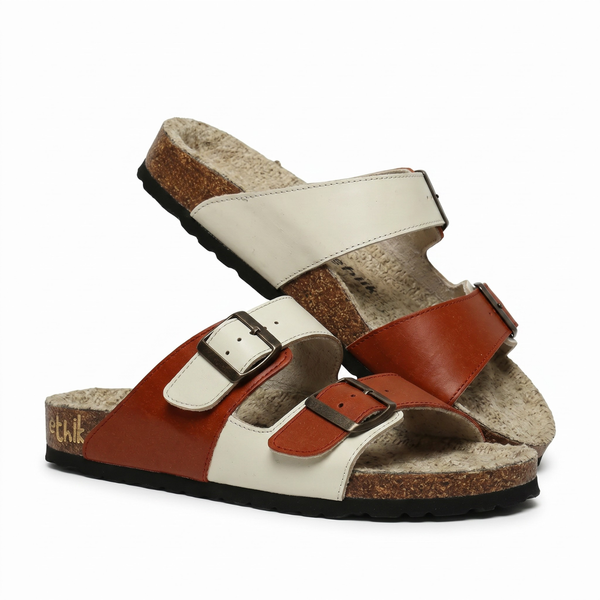
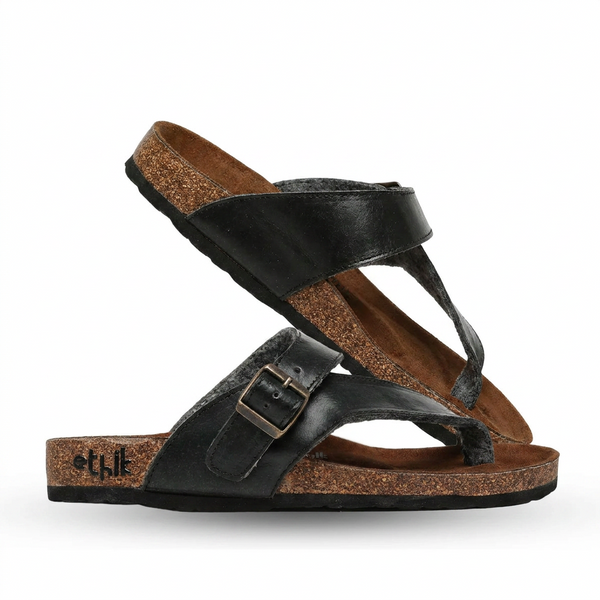
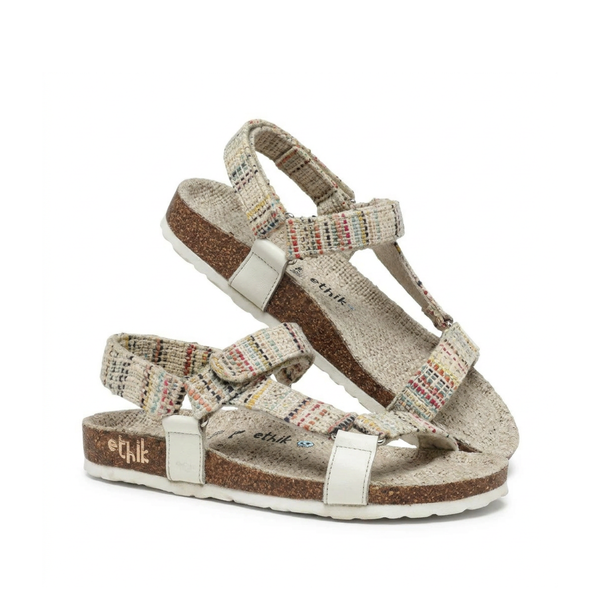
Cork footbeds, which are naturally breathable and resist moisture buildup
-
Hemp or organic cotton uppers that allow airflow in sneakers
-
Recycled rubber soles with good wet-grip, useful for both monsoon walking and everyday city pavements
-
Quick-drying synthetic leather shoes for days when sandals aren't practical but full leather shoes are too hot
Best Eco-Friendly Sandals for Summer and Monsoon
For the hottest months, open, breathable sandals are the practical choice. Look for:
-
Adjustable straps that accommodate slight foot swelling in extreme heat
-
Cork or recycled EVA footbeds that stay comfortable over long wear
-
Soles with actual tread pattern, not flat and smooth, for grip on wet surfaces during monsoon
Sandals with fully sealed, non-breathable synthetic straps tend to trap sweat and cause discomfort in India's humidity, so breathability should be a real filter, not an afterthought.
Best Eco-Friendly Sneakers for Humid Cities
Sneakers face a tougher challenge in Indian weather since they cover more of the foot. The better-performing eco-friendly sneakers usually have:
-
Mesh or knit uppers made from recycled or plant-based fibres for airflow
-
Removable or moisture-wicking insoles that can be aired out separately
-
Lightweight construction, since heavier shoes feel worse in high heat and humidity
If you're comparing options, our guide on sustainable sneakers for everyday wear covers what to prioritise beyond just the weather factor.
Vegan Leather Footwear in Indian Conditions
Vegan leather footwear performs noticeably better than genuine leather in Indian weather, mainly because it doesn't stain or stiffen the way leather does when it gets wet. For semi-formal needs, office wear, events, vegan leather shoes for men and women offer a practical middle ground between full sneakers and traditional leather formals that struggle in monsoon conditions.
Managing Shoe Odour in Humid Weather
Humidity is the biggest reason footwear wears out fast in India, not the material itself, but what grows inside it when it stays damp. A few habits help regardless of what your shoes are made from:
-
Rotate at least two pairs so each gets a full day to dry out
-
Avoid storing shoes in closed plastic bags or damp shoe racks
-
Use breathable materials specifically to reduce moisture buildup in the first place
-
Air sandals and sneakers out immediately after wearing them in rain
Packing and Travel Considerations
If you're travelling within India across different climate zones, say, a humid coastal city followed by a drier hill destination, packing one highly breathable pair and one slightly sturdier closed pair usually covers most situations better than trying to find a single do-everything shoe. Eco-friendly sandals pack light and dry quickly, making them a practical travel companion even outside their home climate, while a lightweight sustainable sneaker handles unpredictable weather shifts without adding much bulk to your bag.
Choosing by Region and Lifestyle
If you're in a coastal or high-humidity city, prioritise breathability and quick-drying materials above all else. If you're somewhere with a drier, hotter climate, cushioning and heat-reflective materials matter more than moisture management. If your daily routine mixes both, commuting outdoors, then spending hours in air-conditioned offices, a versatile pair of non toxic footwear that transitions well between environments is usually the smarter single investment.
Quick Summary
The best eco-friendly sandals and sneakers for Indian weather prioritise breathability, quick-drying materials, and proper grip for monsoon conditions, using inputs like cork, hemp, and recycled rubber. Matching footwear to your specific climate and routine matters more than following general "best sustainable shoes" advice not built for Indian conditions.
FAQs
1. What eco-friendly sandals work best for Indian monsoons?
Ans: Look for sandals with tread-patterned recycled rubber soles for wet grip and quick-drying straps. Avoid fully sealed synthetic materials that trap moisture, since they tend to feel uncomfortable and can develop odour faster in humid, wet conditions.
2. Are eco-friendly sneakers too hot for Indian summers?
Ans: Not if chosen correctly. Sneakers with mesh or knit uppers made from breathable recycled or plant-based fibres perform well even in high heat, as long as you avoid heavier, fully synthetic, non-breathable constructions.
3. Is vegan leather footwear suitable for humid weather?
Ans: Yes, generally better suited than genuine leather. Vegan leather doesn't stain or stiffen when wet the way leather does, making it more practical for India's humidity and monsoon conditions, especially for semi-formal wear.
4. How do I stop my eco-friendly shoes from smelling in humid weather?
Ans: Rotate pairs so each gets time to fully dry, avoid storing shoes in closed or damp spaces, and air them out immediately after wet weather. Breathable materials also reduce moisture buildup that causes odour in the first place.
5. Are cork footbeds good for Indian weather?
Ans: Yes. Cork is naturally breathable and resists moisture buildup better than many synthetic footbeds, making it a strong choice for both hot, dry climates and humid coastal regions.
6. Can I wear the same eco-friendly shoes year-round in India?
Ans: Some versatile styles work across seasons, but dedicated monsoon-appropriate sandals and breathable summer sneakers each perform better in their specific season than a single all-purpose pair.


