

Best Eco-Friendly Baby Bedding & Dohars in India (2026)

The best eco-friendly baby bedding in India is made from GOTS-certified organic cotton or muslin, free from synthetic dyes and chemical finishes, and breathable enough to regulate a baby's temperature through the night. Dohars - lightweight, quilted cotton blankets - are especially popular for Indian weather, since they work as both a summer cover and a light winter layer.
Why Baby Bedding Deserves More Thought Than Most Nursery Buys
A newborn spends up to 18 hours a day sleeping, which means their skin is in near-constant contact with whatever they're wrapped in. A baby's skin is thinner and still developing, so it absorbs more of what touches it than adult skin does. That's a big part of why bedding - sheets, dohars, swaddles - deserves the same scrutiny parents already give to food and skincare.
Conventional cotton is grown with heavy pesticide use, and cheaper synthetic bedding is often treated with dyes and finishing chemicals that aren't meant for a newborn's skin. None of this means every non-organic option is unsafe, but it does explain why more parents are actively choosing certified, chemical-free bedding for the nursery.
What Makes Baby Bedding Genuinely Eco-Friendly
Not every product labelled "natural" or "gentle" actually is - these are marketing words with no legal definition. Here's what to look for instead.
1. GOTS certification. The Global Organic Textile Standard is the most rigorous organic textile certification available. It requires a high percentage of certified organic fibre and strict limits on the chemicals used at every stage, from farming to finishing.
2. Natural, breathable fabric. Organic cotton and muslin are the two most common choices for Indian baby bedding. Muslin's loose weave makes it especially breathable, which helps prevent overheating - one of the reasons paediatricians often recommend lighter layers for infant sleep.
3. Undyed or naturally dyed finishes. Bright, heavily printed bedding often means more synthetic dye. Softer, naturally toned pieces are usually a sign of a gentler production process.
4. No chemical softeners or flame retardants. Genuine organic bedding shouldn't need artificial softening agents - the fabric softens naturally with washing.
5. Transparent sourcing. Brands that mention their certifying body, fabric origin, and dyeing process directly on the product page are usually more trustworthy than those using vague eco-language alone.
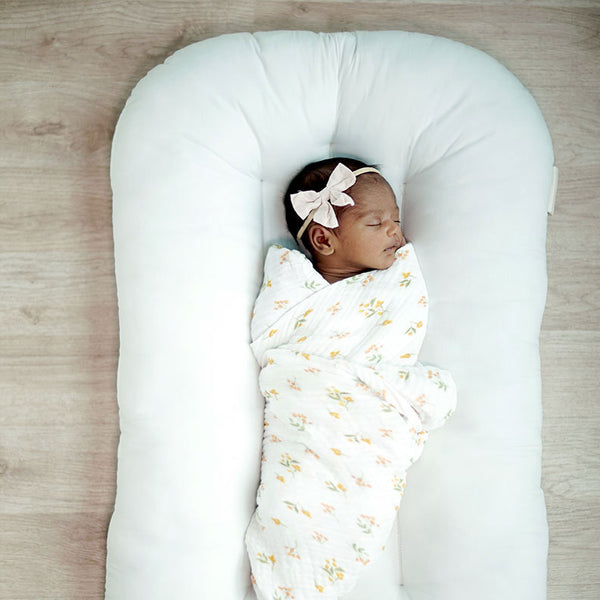
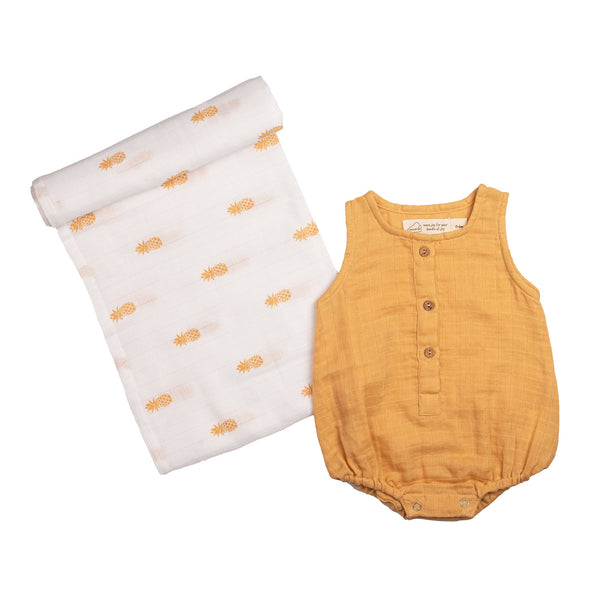
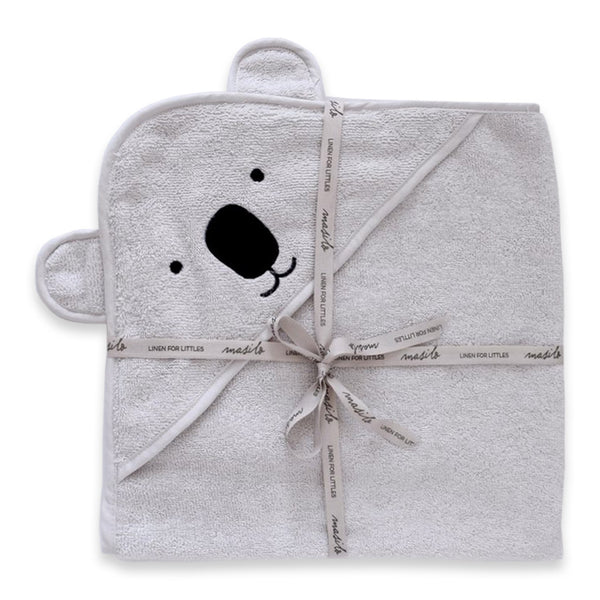
Dohars vs. Regular Blankets: What Suits Indian Weather Best
A dohar is a traditional Indian bedding piece - typically two layers of soft cotton with light quilting in between, made to be breathable rather than heavy. For most of the country's climate, this makes it a more practical choice than a padded blanket.
-
Summer and air-conditioned rooms - a single-layer muslin dohar keeps a baby covered without overheating.
-
Monsoon and shoulder seasons - a lightly quilted cotton dohar offers just enough warmth for cooler nights.
-
Winter in most regions - a slightly thicker cotton dohar, layered over a onesie, is usually enough for babies in non-mountain climates.
-
Travel - dohars fold compactly and double as a stroller cover, nursing cover, or floor mat, which makes them one of the more versatile newborn bedding essentials.
If you're also setting up the rest of the crib, our guide on choosing a safe, non-toxic crib mattress covers what to check before the dohar even comes into the picture.
How to Choose the Right Size and Fabric for Your Baby's Age
-
Newborns (0-6 months): Prioritise soft, single or double-layer muslin. It's light enough to avoid overheating and gentle on newly developing skin.
-
6-18 months: A slightly thicker quilted cotton dohar works well once babies start moving more in their sleep, since it stays in place better than a thin sheet.
-
Toddlers: Look for a dohar with a bit more surface area, so it continues to double as a nap-time cover as they grow out of the crib.
Across all ages, stick to breathable natural fabric and avoid anything heavily padded with synthetic filling, which traps heat and doesn't suit most Indian climates.
Quick Summary
Eco-friendly baby bedding in India means GOTS-certified organic cotton or muslin, free from synthetic dyes and chemical finishes. Dohars - light, quilted cotton covers - are a practical, weather-appropriate choice for most of the year, from summer muslin layers to slightly thicker winter versions. Choosing the right fabric and layer weight for your baby's age matters more than chasing prints or padding.
FAQs
Q. What is a dohar and why is it used for babies in India?
Ans: A dohar is a traditional Indian bedding piece made of two lightly quilted cotton layers. It's breathable and versatile, making it suitable for most Indian seasons - from a single summer layer to a slightly thicker winter cover - unlike heavier padded blankets.
Q. Is organic cotton baby bedding worth the extra cost?
Ans: For many parents, yes. Organic cotton removes pesticide residue at the fibre level, and GOTS-certified processing limits harmful chemical finishes. Given how much time a newborn spends in contact with bedding, it's one of the more meaningful places to prioritise chemical-free materials.
Q. How do I know if baby bedding is genuinely non-toxic?
Ans: Look for recognised certifications like GOTS rather than vague labels like "natural" or "eco-friendly," which aren't independently verified. Genuine non-toxic bedding will usually mention its certifying body, fabric source, and dyeing process directly on the product listing.
Q. Are muslin dohars good for winter too?
Ans: A single-layer muslin dohar suits summer and air-conditioned rooms best. For winter, a slightly thicker, quilted cotton dohar layered over a onesie usually provides enough warmth for most parts of India, without the overheating risk of heavier synthetic blankets.
Q. How often should baby bedding be washed?
Ans: Most paediatric guidance suggests washing crib sheets and dohars once or twice a week, or immediately after spit-up or leaks. Organic cotton and muslin are machine washable and tend to soften further with each gentle wash.
Q. What should I avoid when buying baby bedding?
Ans: Avoid heavily synthetic or brightly printed bedding without certification, chemical fabric softeners, and flame-retardant treatments. These can involve chemical residues that aren't ideal for a newborn's sensitive, still-developing skin.


