


The best Channapatna toys in India come from GI-tagged artisan workshops in Ramanagara district, Karnataka, and are handcrafted from ivory-wood (Wrightia tinctoria), finished with natural vegetable dyes, and shaped on traditional lathes. Look for GI certification, chemical-free colouring, and rounded, toddler-safe edges when choosing traditional Indian wooden toys for your child.
Why Parents Are Going Back to Traditional Indian Toys
If you've ever picked up a plastic toy and quietly wondered what it's actually made of, you're not alone. More Indian parents today are choosing wooden, handmade options over mass-produced plastic — not as a trend, but as a genuine shift in how they think about a child's early years.
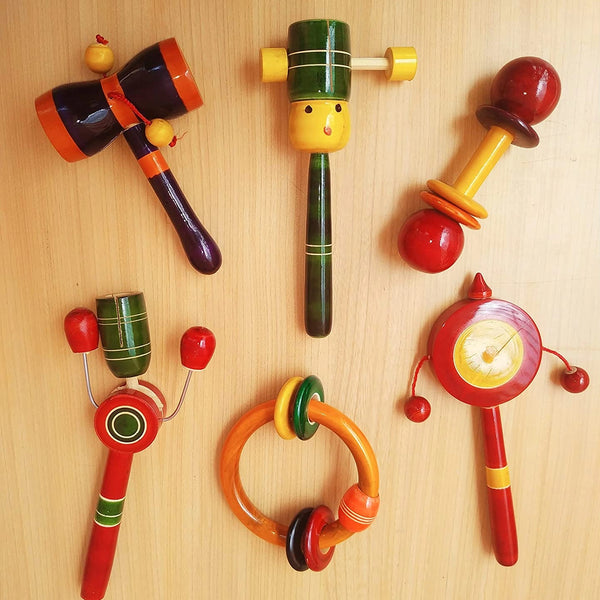
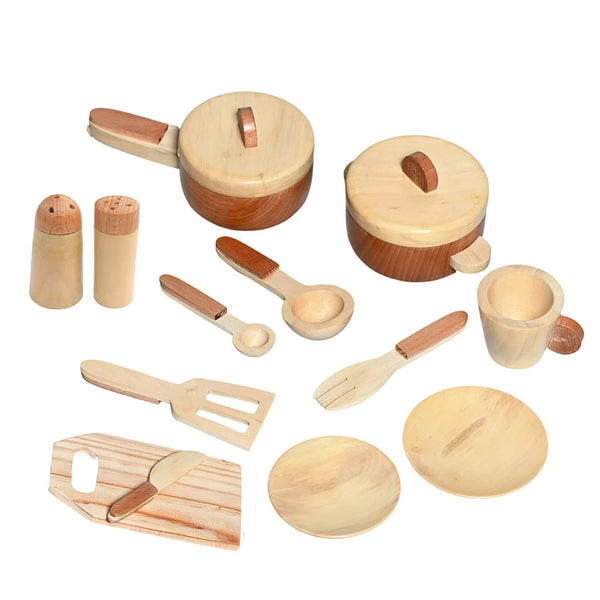
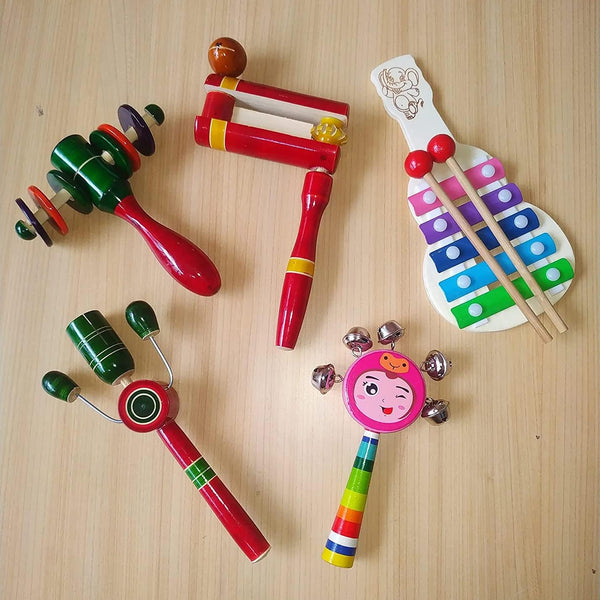
Traditional Indian wooden toys, especially Channapatna toys, sit right at the centre of this shift. They're tactile, quiet, screen-free, and made from materials you can actually name. For many households, that's the real appeal: fewer unknowns, more trust.
What Makes Channapatna Toys Different
Channapatna, a small town about 60 km from Bengaluru, has been making lacquered wooden toys since the late 18th century, when Persian artisans were invited to train local craftsmen during Tipu Sultan's rule. That craft has been passed down for generations and today carries a Geographical Indication (GI) tag, which legally protects the technique and the region behind it.
A few things set genuine Channapatna toys apart:
-
The wood — traditionally ivory-wood (locally called aale mara), a soft, lightweight timber that's gentle to hold and easy to shape without sharp edges.
-
The colour — vegetable and natural dyes applied while the wood spins on a hand lathe, which is what gives the toys their smooth, glossy finish without synthetic chemicals.
-
The hands behind it — every piece is turned, carved, and painted by an artisan, not moulded in a factory. No two toys are perfectly identical, and that's part of the charm.
Many wellness-minded parents also point out that natural dyes and untreated wood mean fewer chemical residues near a child's mouth and skin — a genuine, practical reason these toys have stayed relevant for over 200 years.
How to Choose the Best Channapatna Toys for Your Child
With so many "wooden toy" listings online, it helps to know what actually separates an authentic Channapatna piece from a generic import.
1. Check for the GI tag or certificate of origin. Genuine sellers usually mention GI certification directly on the product page or packaging. This confirms the toy was made in Channapatna using traditional methods, not just painted to look similar.
2. Look at the finish, not just the colour. Authentic pieces have a smooth, slightly glossy lacquer finish from natural dyes. A dull, plasticky coating is usually a sign of synthetic paint.
3. Match the toy to the age group. For toddlers, stick to larger, rounded pieces like stacking rings, rattles, or push-and-pull toys with no small detachable parts. Puzzles, spinning tops, and building sets suit toddlers who've moved past the mouthing stage.
4. Ask about the wood. Ivory wood is the traditional choice, though some modern pieces use rubberwood, cedar, or mango wood. Either is fine as long as it's untreated and finished with vegetable dye rather than synthetic lacquer.
5. Prefer sellers who name the artisan cluster. Toys sourced directly from Channapatna workshops usually support artisan families far more directly than unbranded resellers.
If you're comparing this against other eco-friendly baby gear categories, it's worth reading our guide on choosing safe, non-toxic toys for infants before you shop — it covers material safety in more depth.
A Few Everyday Ways to Bring These Toys Home
You don't need a big haul to start. A few practical ideas:
-
Nursery essentials — a stacking ring set or rattle as a first toy, since the rounded wood is naturally gentle for little hands.
-
Festive gifting — Channapatna dolls, Ganesha idols, or Diwali diyas make thoughtful, reusable alternatives to disposable décor.
-
Everyday desk pieces — pen stands, key chains, and small figurines bring the same craft into adult spaces, not just the nursery.
-
Screen-time alternatives — spinning tops and simple puzzles give toddlers something hands-on to focus on, without a screen in the mix.
Quick Summary
Genuine Channapatna toys are GI-tagged, handcrafted in Karnataka using ivory-wood and natural vegetable dyes, and prized for being safe, chemical-free, and rounded for little hands. When buying, check for GI certification, look at the finish, and pick an age-appropriate shape. They work well as nursery toys, festive gifts, or simple screen-free playtime options.
FAQs
Q. Are Channapatna toys safe for toddlers?
Ans: Yes, when sourced from genuine artisans. They're made with soft, rounded wood and vegetable dyes free from harmful chemicals, which makes them a safer, more natural option than many painted plastic toys. Always check for age-appropriate sizing and avoid pieces with small detachable parts for very young toddlers.
Q. What wood is used to make Channapatna toys?
Ans: Traditionally, artisans use ivory-wood (Wrightia tinctoria), locally called aale mara, prized for being soft, lightweight, and easy to carve. Some modern workshops also use rubberwood, cedar, or mango wood, finished the same way with natural, chemical-free vegetable dyes.
Q. How do I know if a Channapatna toy is authentic?
Ans: Look for a GI (Geographical Indication) tag or certificate of origin, which confirms the toy was handcrafted in Channapatna using traditional lathe and dye techniques. A smooth, glossy natural finish and slight variation between pieces are also good signs of genuine handmade work.
Q. Are Channapatna toys eco-friendly?
Ans: Yes. They're made from sustainably sourced wood and coloured with vegetable-based dyes instead of synthetic paint, making them biodegradable and low-impact compared to plastic toys. This is one reason they're increasingly grouped under sustainable, non-toxic toy categories.
Q. What age group are Channapatna toys best suited for?
Ans: They suit a wide range, from infant rattles and stacking rings to puzzles and building toys for older toddlers and preschoolers. Choosing the right toy mainly comes down to size and design rather than the craft itself, since artisans make pieces across nearly every age stage.
Q. Where can I buy authentic Channapatna toys online in India?
Ans: Look for sellers who clearly mention GI certification, name the Channapatna artisan cluster, and describe their materials and dye process. Curated wellness and lifestyle marketplaces that vet their sellers are usually a safer bet than unbranded, unverified listings.


