

Ashwagandha vs Shilajit: Which Adaptogen is Right for You?

Ashwagandha and shilajit are both Ayurvedic adaptogens, but they support the body differently. Ashwagandha is best known for easing stress, supporting calm, and improving sleep quality. Shilajit is more associated with physical energy, stamina, and cellular vitality, thanks to its rich mineral content. If your main concern is stress and rest, ashwagandha usually fits better. If it's energy and endurance, shilajit is often the better starting point.
Why These Two Get Compared So Often
Ashwagandha and shilajit are two of the most recognised names in Ayurvedic wellness, and both have found a place in modern routines, not just traditional ones. Because they're often shelved next to each other and both carry the "adaptogen" label, people naturally assume they do the same job.
They don't, not entirely. Adaptogen simply means a substance traditionally used to help the body adapt to stress, but the type of stress and the system it supports can differ quite a bit. Knowing that difference makes it much easier to pick the one that actually fits your day-to-day needs, rather than choosing based on whichever one is trending.
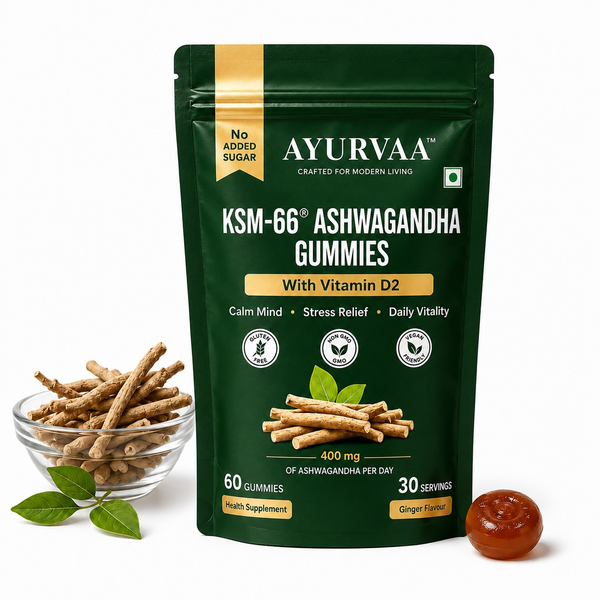
Ashwagandha: Best Known for Calm and Recovery
Ashwagandha is a cornerstone herb in Ayurvedic tradition, and it's one of the more researched adaptogens available today. Its most consistently discussed benefit is supporting the body's stress response, often through its effect on cortisol, the hormone linked to the body's stress reaction.
Many wellness experts recommend ashwagandha specifically for people dealing with daily mental load, sleep difficulty tied to stress, or general burnout, rather than physical fatigue alone.
Where ashwagandha tends to help most:
-
Supporting the body's response to everyday stress
-
Promoting a sense of calm without feeling sedated
-
Supporting sleep quality, particularly when sleep issues are stress-related
-
Traditionally used to support steady energy rather than a quick physical boost
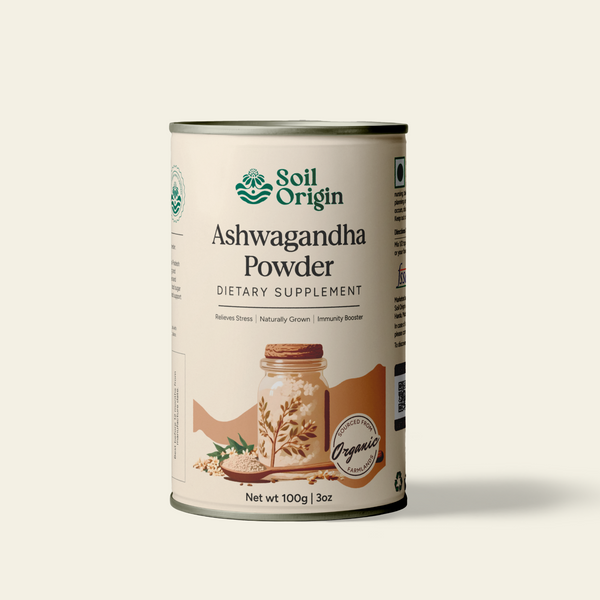
If you're exploring ashwagandha for the first time, Soil Origin Ashwagandha Powder is a clean, single-ingredient option sourced without pesticides or added chemicals.

Shilajit: Best Known for Energy and Vitality
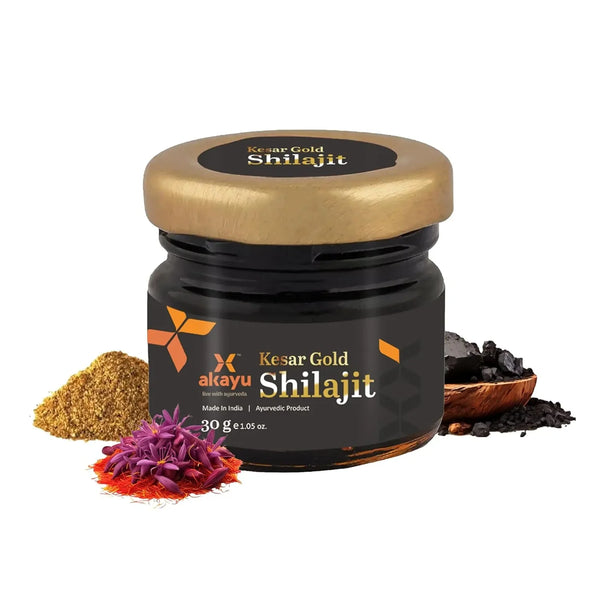
Shilajit is a mineral-rich resin that forms naturally in high-altitude mountain rock over long periods of time. In Ayurvedic tradition, it's associated with vitality, stamina, and healthy ageing, largely due to its high fulvic acid and trace mineral content.
From a health perspective, shilajit's appeal tends to centre on physical performance and recovery rather than a calming effect. It's frequently used by people looking to support stamina, workout recovery, or general vitality as they age.
Where shilajit tends to help most:
-
Supporting physical stamina and endurance
-
Providing trace minerals that support overall cellular energy
-
Supporting recovery after physical exertion
-
Traditionally associated with healthy ageing and long-term vitality
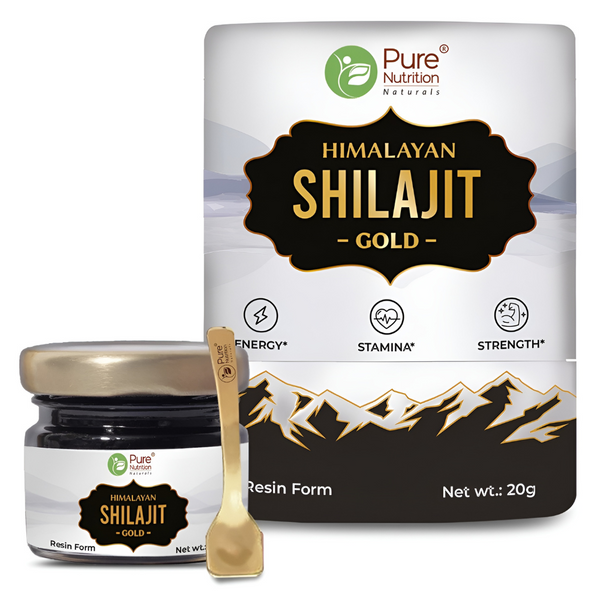
For a purity-tested option, Pure Nutrition Original Himalayan Shilajit Resin comes with a certificate confirming fulvic acid and mineral content.
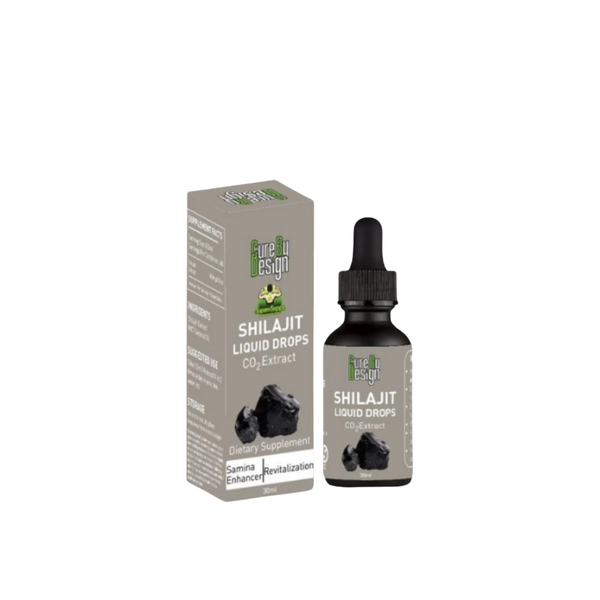
Ashwagandha vs Shilajit: Quick Comparison
|
Factor |
Ashwagandha |
Shilajit |
|
Primary focus |
Stress response and calm |
Energy, stamina, and vitality |
|
Best time to take |
Evening, for sleep support |
Morning, for daily energy |
|
Traditional use |
Adaptogen for mental and emotional stress |
Rejuvenative tonic for physical vitality |
|
Form available |
Powder, capsules, caplets |
Raw resin |
|
Good starting point for |
Stress, sleep, general calm |
Fatigue, stamina, active lifestyles |
Can You Take Ashwagandha and Shilajit Together?
Yes, many people do combine the two, since they support different systems rather than competing with each other. Ashwagandha's calming, stress-supportive role and shilajit's energy and mineral-supportive role can complement each other well, particularly for people managing both high stress and physical demands, such as athletes with demanding schedules.
That said, starting with one at a time for a few weeks makes it easier to notice how each one affects you individually before combining them.
If you'd prefer a formula that brings both together, Pure Nutrition Shilajit Gold combines shilajit with ashwagandha and other traditional herbs in one daily capsule.
To explore more adaptogens and energy-focused options, browse our natural energy supplements collection.
How to Choose the Right One for You
Feeling mentally stretched, anxious, or struggling with stress-related sleep? Start with ashwagandha.
Feeling physically low on energy, slow to recover, or wanting general vitality support? Start with shilajit.
Dealing with both stress and fatigue? A combined formula, or using both separately, is a reasonable approach.
As with any Ayurvedic or herbal supplement, results build gradually over consistent use rather than overnight, and it's worth checking with a healthcare professional before starting if you're pregnant, on medication, or managing a health condition.
Quick Summary
Ashwagandha and shilajit are both respected Ayurvedic adaptogens, but they aren't interchangeable. Ashwagandha is better suited to stress, calm, and sleep support, while shilajit leans toward physical energy, stamina, and long-term vitality. The right choice comes down to what your body needs more right now, and for some people, that answer is simply both.
FAQs
Q1. Is ashwagandha or shilajit better for energy?
Ans: Shilajit is generally the better choice specifically for physical energy and stamina, given its mineral content and traditional use for vitality. Ashwagandha can indirectly support energy too, but mainly by easing stress and improving sleep quality rather than providing a direct physical boost.
Q2. Can I take ashwagandha and shilajit at the same time?
Ans: Yes, many people take both, since they support different aspects of wellness rather than overlapping. It's generally suggested to introduce one at a time first to see how your body responds before combining them, and to check with a healthcare professional if you're unsure.
Q3. Which is better for sleep, ashwagandha or shilajit?
Ans: Ashwagandha is the more commonly recommended option for sleep, particularly when sleep issues are linked to stress or an overactive mind. Shilajit isn't typically used specifically for sleep support.
Q4. How long does it take to feel the effects of ashwagandha or shilajit?
Ans: Both are traditionally used for consistent periods of several weeks to a few months rather than as quick fixes. Most people are advised to use them daily for at least a few weeks before evaluating how well they're working.
Q5. Is shilajit safe to take daily?
Ans: When sourced from a purity-tested, lab-verified brand and used at the recommended dose, shilajit is generally considered safe for regular use. Quality matters significantly with shilajit, so it's best to choose a product with clear lab testing and sourcing information.
Q6. Are ashwagandha and shilajit suitable for everyone?
Ans: Most healthy adults can use both, but pregnant or breastfeeding individuals, people on medication, or those managing a health condition should consult a healthcare professional first. As with any herbal supplement, individual response can vary.


