

Are Sustainable Shoes Worth the Extra Cost? Price vs Durability Compared

Sustainable shoes are usually worth the extra cost when the price reflects genuine build quality and material sourcing, not just marketing. In many cases, the "extra cost" gap has narrowed significantly, and when you factor in durability and reduced replacement frequency, sustainable shoes often work out to similar or better value over time than cheaper conventional pairs.
Why This Question Comes Up So Often
Sustainable shoes have a reputation for being pricier, and sometimes they genuinely are. But the more useful question isn't "do they cost more upfront"; it's whether that cost actually buys you something durable, or whether you're just paying for the label. This is where a lot of people hesitate before choosing sustainable shoes over familiar, cheaper alternatives.
What You're Actually Paying For
The price difference in genuinely sustainable footwear usually comes from a few real factors:
-
Higher-cost materials, like plant-based leather alternatives or certified organic textiles
-
Smaller-batch, more controlled manufacturing rather than high-volume mass production
-
Fair labour practices, which cost more than the cheapest possible production route
-
Better construction methods that directly improve durability
None of these are marketing fluff; they're real cost inputs. That said, not every sustainable-labelled shoe justifies its price this way, which is why checking the brand's actual transparency matters more than trusting the label alone.
Price vs Durability: The Real Comparison
This is where the value question actually gets decided. A cheap, mass-produced shoe might cost a third of a sustainable pair upfront, but if it wears out in three months and needs replacing three times a year, the real annual cost adds up fast, not to mention the extra waste generated.
A well-made pair of durable footwear for women or men, sustainable or not, typically costs more per pair but fewer pairs per year. The math genuinely favours durability once you calculate cost-per-wear rather than just the sticker price.
When Cheaper Actually Makes Sense
To be fair, sustainable shoes aren't always the better financial choice. If you need shoes for occasional or one-off use, a single event, a short trip, a specific short-term need, a cheaper option might be the more sensible call. Sustainable footwear delivers its best value when it's part of your everyday rotation, where durability and comfort compound over months of wear.
How to Spot Real Value vs Overpriced Marketing
Not every expensive "sustainable" shoe is actually worth the price. A few signs help separate genuine value from markup:
-
The brand explains specifically what materials are used and why, not just vague sustainability language
-
Reviews mention long-term durability, not just first impressions
-
Construction details, stitching, sole bonding, and material sourcing are specified, not hidden
-
Pricing sits in a reasonable range for the materials and labour involved, not dramatically inflated
If you want a deeper look at how one material choice affects both cost and durability, our comparison on vegan leather shoes vs genuine leather breaks this down further.
An Example of Price Backed by Construction
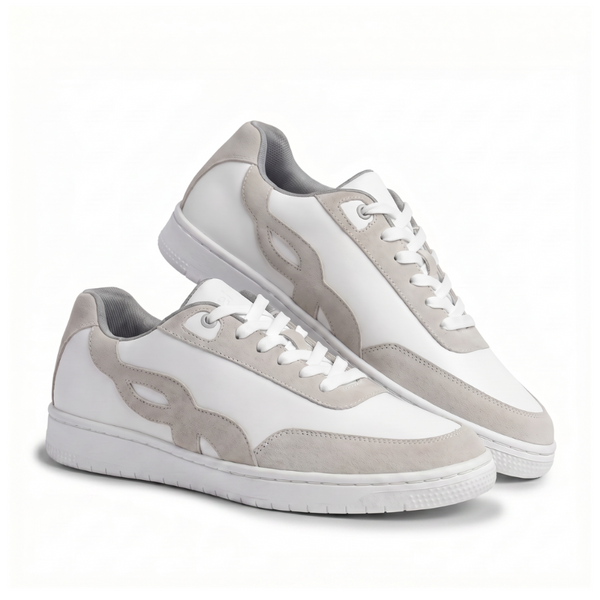
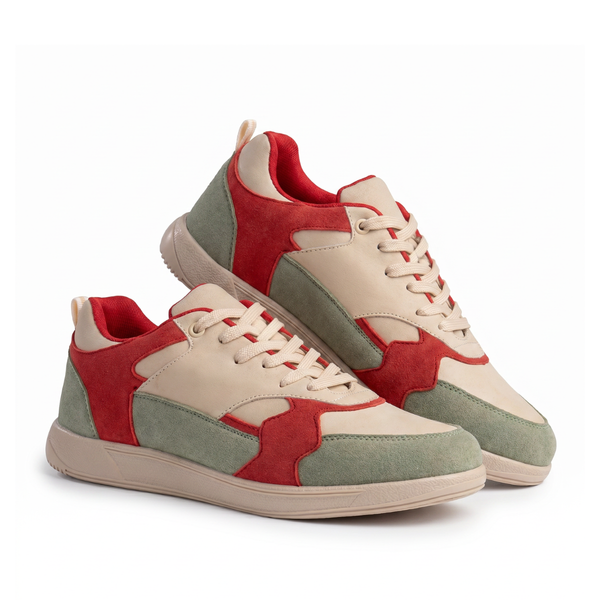
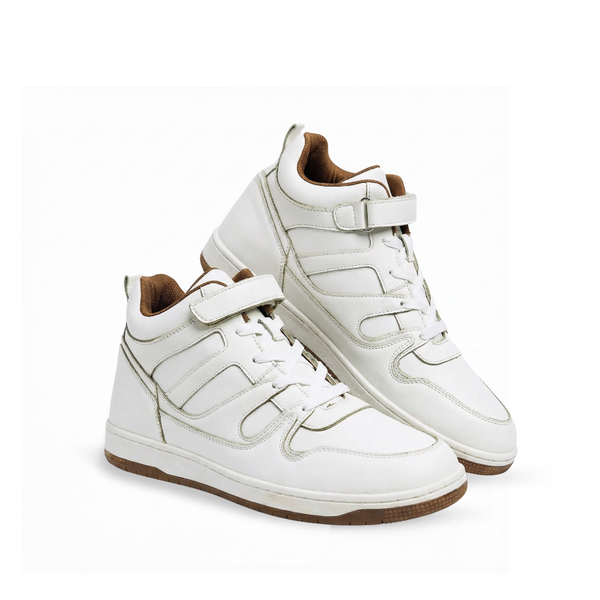
Brands like Ethik are a good reference point for this kind of value comparison. Rather than pricing based on the sustainability story alone, the range is built around vegan leather formal shoes, sneakers, loafers, and belts made to handle regular wear, the kind of construction detail worth checking for in any brand before deciding whether the price is justified.
The Hidden Cost of "Cheap"
Cheap, poorly made shoes carry costs that don't show up on the receipt: more frequent replacement, more material waste, and often less comfort during the time you do wear them. This doesn't mean every affordable shoe is bad value, but it does mean price alone isn't a reliable guide. A ₹1,500 pair that lasts eight months usually beats a ₹800 pair that lasts two.
Factoring in Repairability and Resale
Two things people rarely factor into the price-vs-durability conversation are repairability and resale. Well-constructed shoes, sustainable or otherwise, are often easier to resole, re-glue, or repair rather than replace outright, which extends their effective lifespan well beyond the first sign of wear. Some sustainably made shoes, particularly those using higher-quality vegan leather or natural materials, also tend to hold their appearance better over time, which matters if you ever plan to pass them on or resell them. Cheaper, glued-together fast-fashion shoes rarely offer this option, since they're often not designed to be repaired at all.
Making the Decision for Yourself
The honest way to decide is to think in terms of cost-per-wear, not upfront price. Divide the shoe's price by how many wears you realistically expect from it. A sustainable pair that costs more but lasts significantly longer will often come out ahead, and you get the added benefit of better materials and manufacturing practices along the way.
Quick Summary
Sustainable shoes are generally worth the extra cost when that price reflects genuine material quality, construction, and fair manufacturing, not just branding. Comparing cost-per-wear rather than upfront price usually shows sustainable footwear holding its own, or coming out ahead, against cheaper alternatives over time.
FAQs
1. Are sustainable shoes always more expensive than regular shoes?
Ans: Not always; pricing varies by brand and material. Some sustainable shoe brands are priced comparably to mainstream options, while others cost more due to material sourcing and smaller-scale production.
2. Do sustainable shoes actually last longer than cheap shoes?
Ans: Often, yes, because sustainable brands tend to invest more in construction quality and material durability. This isn't guaranteed by the sustainable label alone, so checking specific durability details still matters.
3. What's the best way to compare value between sustainable and regular shoes?
Ans: Calculate cost-per-wear by dividing the price by expected number of wears, rather than comparing upfront prices directly. This gives a clearer picture of actual long-term value.
4. Is it worth paying more for vegan leather shoes over regular synthetic shoes?
Ans: It depends on the specific brands being compared. Better-made vegan leather shoes often offer stronger durability and non-toxic materials, which can justify the price difference over cheaper, lower-quality synthetics.
5. How can I tell if a sustainable shoe brand is genuinely worth the price?
Ans: Look for specific details about materials, construction, and manufacturing practices rather than vague sustainability claims. Reviews focused on long-term wear are also a reliable indicator of real value.
6. Are there situations where cheaper shoes make more sense than sustainable ones?
Ans: Yes, for occasional or short-term use, a cheaper option can be the more practical choice. Sustainable shoes offer the best value when worn regularly as part of an everyday rotation.


