

Are Herbal Cigarettes Safer Than Regular Cigarettes?

Herbal cigarettes are not automatically safer than regular cigarettes. While tobacco-free and nicotine-free herbal cigarettes remove the addictive and heavily studied risks specifically tied to tobacco and nicotine, the act of inhaling any burned plant material still produces smoke containing tar and carcinogenic compounds. "Herbal" describes what's absent from the blend, not a guarantee of safety.
What Herbal Cigarettes Actually Are
A herbal cigarette is typically rolled using a mix of dried herbs and plant material instead of tobacco, deliberately formulated to contain no tobacco and no nicotine. In India, this category has expanded in recent years to include hemp-based roll-ups, which use hemp leaf blends, sometimes with CBD content and minimal THC, as the base material instead of traditional herb mixes like mint, lemongrass, or corn silk used in older herbal cigarette formats.
Why People Assume Herbal Means Safer
The assumption is understandable, and it usually comes from one specific, accurate fact: herbal cigarettes remove nicotine, the primary addictive compound in tobacco, and the specific carcinogens tobacco itself is known to contain. Since nicotine addiction and tobacco-specific health risks are so widely discussed, it's a natural leap to assume that removing tobacco removes the risk of smoking altogether. That leap, however, isn't fully supported by what's actually understood about inhaling combusted plant material of any kind.
What the Evidence Actually Shows
This is where a more careful, honest answer matters. Independent research and health bodies that have looked specifically at herbal cigarettes have found:
-
Burning any plant material, herbal or tobacco, produces smoke containing tar and combustion byproducts
-
Some studies have found carcinogenic compounds present in herbal cigarette smoke, similar in category (though not necessarily identical in quantity) to those found in tobacco smoke
-
Herbal cigarettes are not nicotine-addictive in the way tobacco cigarettes are, which does remove one specific, well-documented health risk
-
Long-term, large-scale studies on herbal cigarette smoke specifically are more limited compared to the decades of tobacco research, meaning some risks may simply be less well quantified rather than confirmed absent
The Nicotine Question vs the Smoke Question
It helps to separate these into two distinct issues rather than one combined "is it safer" question. Removing nicotine addresses dependency and certain nicotine-specific cardiovascular effects, a genuine, meaningful difference. But the act of inhaling smoke from combusted organic material, regardless of what that material is, introduces its own separate set of respiratory concerns that aren't automatically resolved just because tobacco isn't the source.
Are Herbal Cigarettes Marketed as a Smoking Cessation Aid?
Some herbal cigarette brands have historically been marketed this way, but this framing is worth approaching with caution. Major health advisories, including guidance referenced by health authorities in multiple countries, generally do not endorse herbal cigarettes as a proven method for quitting smoking. If your goal is genuinely quitting nicotine, medically supervised cessation methods, nicotine replacement therapy, prescribed medication, or structured cessation programs have a stronger evidence base than switching to a herbal alternative.
Hemp-Based Herbal Cigarettes: A Slightly Different Category
Newer hemp-based herbal cigarette products, sometimes called "rollens," differ from older mint or herb-based versions in that they typically use hemp leaves, sometimes with CBD content and low THC. This category is generally positioned around relaxation and mindful ritual rather than as a cigarette replacement or health product specifically. It's worth being clear-eyed about what this category is and isn't: it's tobacco-free and nicotine-free, but that doesn't mean smoke inhalation risk is eliminated, and reputable brands in this space are typically upfront that these products aren't marketed as smoking-cessation tools.
A Suspire Product Worth Understanding Correctly
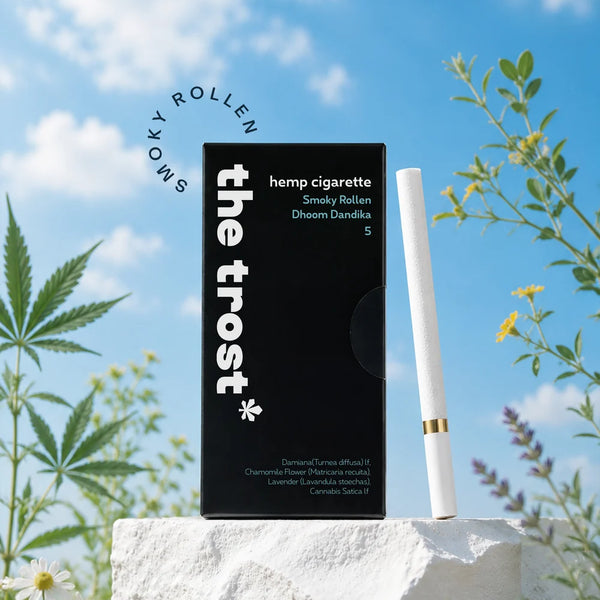
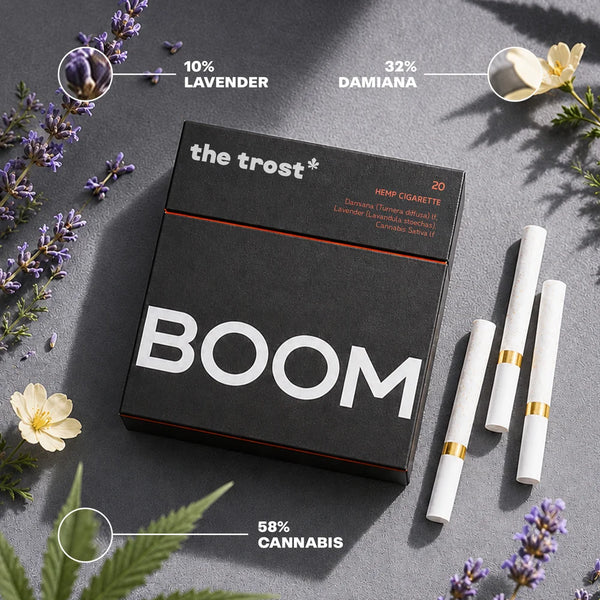
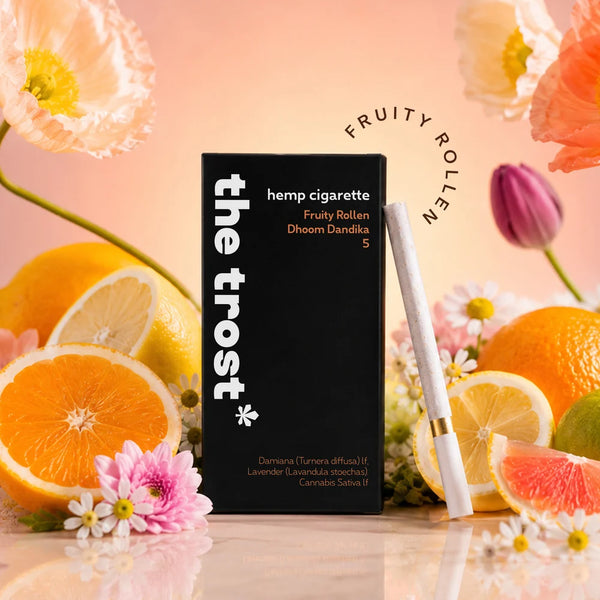
Suspire lists The Trost Rollens hemp herbal cigarettes, a tobacco-free, nicotine-free roll-up made from hemp leaves. In line with how the product itself is positioned, it's worth being accurate here: these are marketed as a hemp-based alternative for adults already exploring herbal smoking rituals, not as a health product or a smoking-cessation aid, and the listing itself requires a doctor's consultation before purchase, which is a useful signal that this is a considered choice rather than a casual, risk-free swap.
Who Should Be Especially Cautious
A few groups should approach any herbal cigarette, hemp-based or otherwise, with particular caution:
-
Anyone with existing respiratory conditions like asthma or COPD, since smoke inhalation of any kind can aggravate these
-
Pregnant or breastfeeding individuals, given limited research specifically on herbal and hemp-based smoke exposure in these groups
-
Those trying to quit tobacco specifically for health reasons, who may be better served by evidence-based cessation methods rather than a like-for-like smoking substitute
-
Anyone considering hemp-based roll-ups with CBD or trace THC content, who should understand the product's specific composition and consult a doctor given the prescription-based nature of these listings
What a More Accurate Comparison Looks Like
Rather than framing this as "herbal cigarettes are safer," a more accurate framing is: herbal cigarettes remove specific, well-documented risks tied to tobacco and nicotine, while still carrying separate, less-studied risks tied to smoke inhalation generally. Neither "completely safe" nor "just as dangerous as tobacco" reflects the full picture accurately; the honest answer sits in between, and depends significantly on frequency of use, the specific product, and individual health factors.
If You're Exploring Hemp Wellness Beyond Smoking
If your interest in hemp is more about general wellness than smoking specifically, Suspire's hemp seed oil offers a non-inhalation way to incorporate hemp into a routine, without the combustion-related concerns that apply to any smoked product, herbal or otherwise.
Quick Summary
Herbal cigarettes are not straightforwardly safer than regular cigarettes. Removing tobacco and nicotine eliminates specific, well-documented risks, but inhaling smoke from any burned plant material still carries its own set of respiratory concerns that aren't fully resolved by the herbal label. Hemp-based herbal cigarettes, including products like Trost Rollens, are generally positioned as a tobacco-free ritual for adults already exploring herbal smoking, not as a health product or cessation aid, and are best approached with that accurate framing rather than an assumption of safety.
FAQs
1. Do herbal cigarettes contain nicotine?
Ans: No, genuine herbal cigarettes are formulated to be nicotine-free, which removes the specific addictive component found in tobacco cigarettes. This is one of the few clearly established differences between herbal and regular cigarettes.
2. Can herbal cigarettes still cause lung damage?
Ans: Yes, potentially. Inhaling smoke from any combusted plant material, including herbal blends, can introduce tar and other byproducts that may affect respiratory health, even without tobacco or nicotine present.
3. Are herbal cigarettes a good way to quit smoking?
Ans: This isn't well-supported by major health guidance. Herbal cigarettes are generally not endorsed as a proven smoking-cessation method, and medically supervised approaches tend to have stronger evidence behind them for actually quitting nicotine.
4. Are hemp-based herbal cigarettes different from regular herbal cigarettes?
Ans: Yes, hemp-based versions use hemp leaves, sometimes with CBD or trace THC, rather than traditional herb blends like mint or lemongrass. They're typically positioned around relaxation and ritual rather than as tobacco alternatives or health products specifically.
5. Is it legal to buy hemp-based herbal cigarettes in India?
Ans: Regulations vary and can be product-specific, particularly around THC content. Reputable sellers of hemp-based products often require doctor consultation or prescription-based purchase, which reflects the need for informed, individual guidance rather than a blanket answer.
6. Are herbal cigarettes safe to smoke every day?
Ans: Daily use of any smoked product, herbal or otherwise, carries more cumulative respiratory exposure than occasional use. Long-term, large-scale research on herbal cigarette smoke specifically is more limited than tobacco research, so caution is reasonable regardless of frequency.


