


Introduction
What is a Zero Waste Lifestyle?
A zero-waste lifestyle encourages minimizing waste generation by reusing, recycling, and thoughtfully choosing products and habits that reduce landfill contributions. It promotes conscious consumption, waste prevention, and a minimalistic approach to daily life, helping you live more comfortably by focusing on what truly matters.

Practical Tips for Living a Zero Waste Lifestyle
1. Carry Reusable Water Bottles and Bags
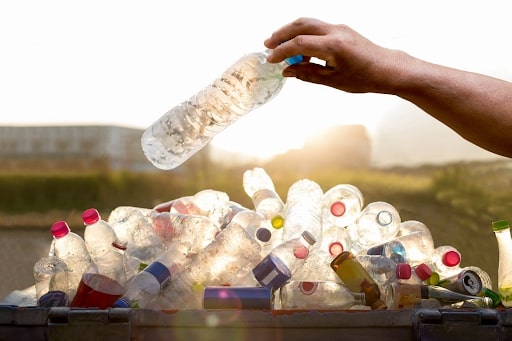
Minimalist Living (Image Source: recyclingbins)
- Carrying your reusable water bottle can save approximately 1,460 single-use plastic bottles annually.
- Opt for bottles and bags made from eco-friendly materials to enhance comfort and reduce toxin exposure.
Recommended Product: Reusable Water Bottles on Suspire

2. Reduce Printing and Junk Mail
-
Digitize documents such as tickets, bills, and travel papers to avoid unnecessary printing.
-
When printing is essential, use recycled paper to reduce deforestation and waste.
3. Buy with Minimal or Biodegradable Packaging

-
Choose products with little to no packaging or those packaged in recyclable, compostable materials.
-
Avoid items wrapped in plastic or non-recyclable packaging.
Recommended Product: Compostable Trash Bags

4. Reduce Travel Carbon Emissions
-
Use public transport, carpool, or bike instead of driving alone to lower your carbon footprint.
-
Planning your trips mindfully can reduce fuel consumption and pollution.
5. Upcycle and Reuse Items Creatively
-
Repurpose milk cartons as plant pots.
-
Transform old ladders into bookshelves or plant stands.
-
Convert worn clothing into cleaning rags or children's toys.
-
Upcycle old CDs into coasters or decorations.
Upcycling not only reduces waste but also adds personalized charm to your home.
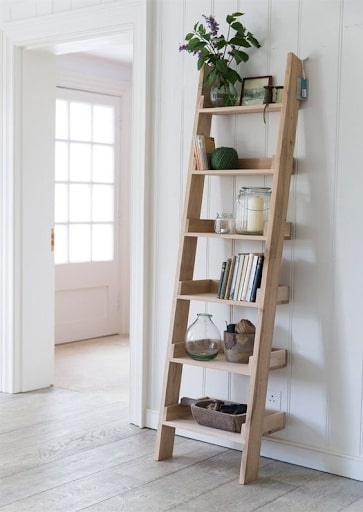
Zero waste living (Image Source: grace and glory home)
Benefits of a Zero Waste Lifestyle
-
Healthier Living: Less exposure to plastic and toxins at home.
-
Financial Savings: Save money by reusing and buying less.
-
Environmental Impact: Reduced landfill waste and pollution.
-
Mindful Consumption: Encourages appreciating what you own and using only what you need.
FAQs: People Also Ask
Q1: How can I start a zero-waste lifestyle easily?
Ans: Start by carrying reusable bottles and bags, reducing single-use plastics, and gradually incorporating recycling and upcycling habits into your routine.
Q2: Is a zero-waste lifestyle expensive?
Ans: Not necessarily. Many zero-waste habits, like carrying reusable items or reusing old things, can save money over time.
Q3: Where can I find eco-friendly products for zero-waste living?
Ans: You can explore curated selections of sustainable, zero-waste-friendly products like reusable bags, bottles, and compostable accessories on online marketplaces such as Suspire, which focus on mindful living.
Q4: How does reducing travel emissions relate to zero waste?
Ans: Cutting down on individual car trips decreases carbon emissions, a key part of reducing overall waste and pollution.
Q5: What are creative ways to upcycle household items?
Ans: Common ideas include turning old cartons into planters, using ladders as shelves, and repurposing worn clothes as cleaning rags or crafts.
Final Blog Conclusion
Embracing a zero-waste lifestyle is both a meaningful and practical way to live more mindfully, saving resources while enhancing your well-being. Simple steps like using reusable bottles, minimizing paper waste, choosing minimally packaged products, and reusing items creatively all add up. Every small effort contributes to reducing waste and pollution, fostering a cleaner, healthier environment for you and future generations. Start your zero-waste journey today, no perfection needed, just consistency and care.
Read More
My Journey Towards Becoming a More Conscious Buyer
It’s time to rebrand yourself as a conscious buyer!
What makes anything sustainable? Living a sustainable lifestyle in 2021.


