

Indian Skin Colour Types & Skin Tones: The Science Behind Skincare for Indian Skin

Indian skin colour spans Fitzpatrick Types III to VI, ranging from wheatish-medium tones in the north to deep brown in the south, with olive tones common in the northeast. This higher-melanin skin type is more resistant to sunburn but far more prone to pigmentation, uneven tone, and post-inflammatory marks, which is why skincare formulated for Caucasian or East Asian skin often underperforms on Indian skin.
Most of the skincare products sold in India were not developed for Indian skin. They were formulated in South Korea, the US, or Europe, for Caucasian skin, East Asian skin, or mixed-race skin types, and then exported here.
That's a significant problem, because Indian skin is biologically, climatically, and environmentally distinct. What works on lighter European skin or on East Asian skin does not automatically work on Indian skin tone.
This blog explains exactly what makes Indian skin unique, the different Indian skin colour types, what its most common concerns are, and why a brand like Skinvest, built specifically for skincare for Indian skin, represents a fundamentally different approach to how we care for ourselves.
Indian Skin Colour Types at a Glance
India has extraordinary skin diversity shaped by genetics, geography, and centuries of cultural mixing. Here's how the main regional skin colour types break down:
|
Region |
Typical Skin Colour |
Fitzpatrick Type |
|---|---|---|
|
Northern India |
Wheatish to medium brown |
Type III–IV |
|
Southern India |
Deep brown to dark brown |
Type V–VI |
|
Northeast India |
Lighter olive tones |
Type III–IV |
|
Coastal regions |
Deeper tanning patterns from sun exposure |
Varies, typically IV–VI |
What Is Indian Skin Tone? The Science of Indian Skin Colour
Where Indian Skin Sits on the Fitzpatrick Scale
Indian skin tone spans a wide spectrum, from the lightest honey-wheat tones of northern India to the richest deep brown of South India and the Northeast.
The Fitzpatrick Scale, the dermatological standard for classifying skin based on melanin levels and UV response, places Indian skin colour primarily within Types III to VI. This is a phototype range that indicates:
-
Higher melanin than Caucasian (Type I–II) skin
-
Greater resistance to sunburn but significantly higher risk of pigmentation
-
Thicker skin structure with different collagen and elastin behaviour
What is Indian skin tone in practical terms? It is melanin-rich, photosensitive skin that tans easily, pigments readily, and responds differently to active ingredients than lighter skin phototypes.
Indian Men's Skin Tone and Skin Colour: Is It Different?
Indian men's skin tone broadly follows the same Fitzpatrick Type III–VI distribution as Indian women, but with some important differences in how skin behaves:
-
Indian men's skin colour tends toward oilier, thicker skin due to higher testosterone levels driving sebum production
-
Higher likelihood of enlarged pores, acne, and post-inflammatory hyperpigmentation (PIH)
-
Greater sun exposure habits historically, less sunscreen use, and more outdoor activity lead to more pronounced tanning and uneven tone
-
Shaving introduces additional skin stress; razor bumps, ingrown hairs, and barrier disruption are common
Skincare for Indian men needs to account for oiliness, sun damage, pigmentation, and barrier repair, concerns that generic international brands rarely address with Indian skin specifically in mind.
What Makes Indian Skin Unique — 5 Key Biological Factors
Understanding Indian skin starts with understanding what actually makes it different from the skin types most international skincare brands are designed for.
1. Higher Melanin — Both an Advantage and a Challenge
Indian skin colour has a higher melanin concentration than lighter skin phototypes, but melanin behaves differently in Indian skin than in East Asian or African skin.
The advantage: natural sun protection. Indian skin has a built-in capacity to absorb UV radiation before it causes sunburn damage.
The challenge: uneven skin tone in Indian skin is one of the most common and persistent concerns. Any trigger- sun exposure, inflammation, acne, hormonal change, friction- can cause the melanin-producing cells (melanocytes) to overproduce melanin, leaving behind dark patches, spots, and uneven skin tone.
2. Sensitivity to Inflammation and Post-Inflammatory Hyperpigmentation
Indian skin is highly sensitive to post-inflammatory hyperpigmentation (PIH), the dark marks that remain after pimples, rashes, cuts, or irritation.
This is a melanin response: when Indian skin experiences inflammation, melanocytes interpret it as a signal to produce more protective pigment. The result is marks that last far longer than the original breakout, sometimes months.
Many international products that are effective on lighter skin- strong retinols, aggressive AHAs, high-concentration peels- are too inflammatory for Indian skin tone and can worsen PIH rather than improve it.
3. Climate Exposure — Heat, Humidity, and Pollution
Indian skin faces some of the most demanding daily environmental conditions of any skin type globally:
-
Intense UV exposure year-round, with UVA and UVB levels significantly higher than in Northern Europe or East Asia
-
High humidity in coastal and monsoon seasons increases oiliness, congestion, and fungal skin issues
-
Extreme dryness in winter months, particularly in northern and central India, disrupts the skin barrier
-
Air pollution, PM2.5, dust, and vehicle emissions clog pores, oxidise skin cells, and accelerate ageing
Most international skincare brands, including many popular Korean products for Indian skin, are formulated for temperate, relatively clean-air climates, not for the kind of UV-pollution combination that urban Indian skin manages daily.
4. Genetic Skin Thickness and Ageing Patterns
Indian skin is structurally thicker than lighter phototypes; it has more dermis density and a denser collagen network. This means:
-
Indian skin ages more slowly in terms of wrinkling
-
But it is more prone to loss of radiance, texture roughness, and pigmentation as it ages
-
Collagen breakdown shows first as dullness and uneven tone in Indian skin, not fine lines
Skincare built for ageing Caucasian skin (targeting wrinkles) or East Asian skin (targeting brightness) does not address the specific way Indian skin colour and texture changes over time.
5. Hormonal and Dietary Factors
The combination of genetic predisposition, diets higher in dairy and refined carbohydrates, and hormonal fluctuations, particularly in Indian women, creates specific skin tendencies:
-
Hormonal acne patterns different from Western counterparts
-
Melasma and hormonal pigmentation extremely common
-
Gut health-skin connection more pronounced due to dietary patterns
-
Stress-triggered breakouts exacerbated by cortisol sensitivity in melanin-rich skin
Uneven Skin Tone in Indian Skin — Why It Happens and What Actually Helps
Uneven skin tone in Indian skin is the most universally reported skin concern across all Indian skin colour types and genders.
The triggers are multiple and cumulative:
-
Post-acne marks (PIH)
-
Sun-induced tanning and dark spots
-
Hormonal melasma, most common in Indian women
-
Friction hyperpigmentation, from tight clothing, masks, or repeated rubbing
-
Pollution-induced oxidative damage
What works for uneven tone in Indian skin:
-
Niacinamide, regulates melanin transfer; reduces PIH without irritation
-
Tranexamic acid, one of the most well-tolerated pigmentation actives for Indian skin phototypes
-
Vitamin C (stabilised), antioxidant protection plus mild brightening; must be formulated correctly for Indian skin's oxidative stress levels
-
SPF, daily and non-negotiable; no brightening or pigmentation treatment works without sun protection reinforcing it every single day
-
Gentle exfoliation, PHAs or low-concentration BHAs over aggressive AHAs
Beauty of Joseon and Korean Products for Indian Skin — Does K-Beauty Work?
Beauty of Joseon is one of the most widely loved Korean skincare brands globally, and Indian consumers have embraced it enthusiastically, particularly products like the Glow Serum (Rice + Alpha-Arbutin) and the Relief Sun.
What K-Beauty Does Well for Indian Skin
-
Lightweight textures: suited for India's humid climate
-
Barrier-first philosophy: centella, ceramides, and fermented ingredients support skin health without over-stripping
-
Gentle actives: K-beauty tends to use lower concentrations of actives layered carefully, which suits Indian skin's sensitivity to inflammation
-
Sun protection innovation: Korean sunscreens like the Beauty of Joseon Relief Sun are notably lightweight and wearable, addressing one of the biggest compliance barriers for daily SPF in India
Where K-Beauty Falls Short for Indian Skin
-
Formulated primarily for East Asian skin (Type II–III), lighter phototypes with less melanin complexity
-
Does not directly address uneven skin tone in Indian skin from PIH or melasma at the required depth
-
Brightening products designed for East Asian tone (yellow-based undertones), may not deliver the same results on Indian brown undertones
-
Climate testing done in Korean conditions, not in Indian heat-humidity-pollution combinations
|
Factor |
K-Beauty (e.g. Beauty of Joseon) |
Indian-Specific Skincare (e.g. Skinvest) |
|---|---|---|
|
Skin phototype designed for |
Fitzpatrick Type II–III |
Fitzpatrick Type III–VI |
|
Climate tested in |
Korea, temperate |
India, tropical/subtropical |
|
Pigmentation approach |
Brightening for East Asian skin |
PIH and melasma for Indian melanin |
|
Clinical trials |
On Korean/Asian subjects |
On Indian skin subjects |
|
Active concentration |
Generally low; layered |
Calibrated for Indian skin barrier |
|
UV protection level |
Good, Korean SPF standards |
Essential; formulated for Indian UV |
Best Korean products for Indian skin work best as complementary additions to a base routine designed for Indian skin, not as complete solutions on their own.
Which Skin Tone Is Most Attractive? The Answer Worth Giving
Which skin tone is most attractive is a question that circulates online and deserves a clear, grounded answer.
No skin tone is objectively more attractive than another. Skin tone preference is culturally conditioned, socially constructed, and varies enormously across geographies and communities. The persistence of lighter-skin preference in India is the product of historical and colonial influence, not biological reality.
From a skincare perspective, the goal is never to change your Indian skin colour or match it to any standard. The goal is healthy skin, even-toned, well-hydrated, protected from damage, and functioning as the natural barrier it is.
The most well-cared-for skin, at any depth of Indian skin tone, is the most radiant skin.
The Science Behind Skinvest, Built for Indian Skin
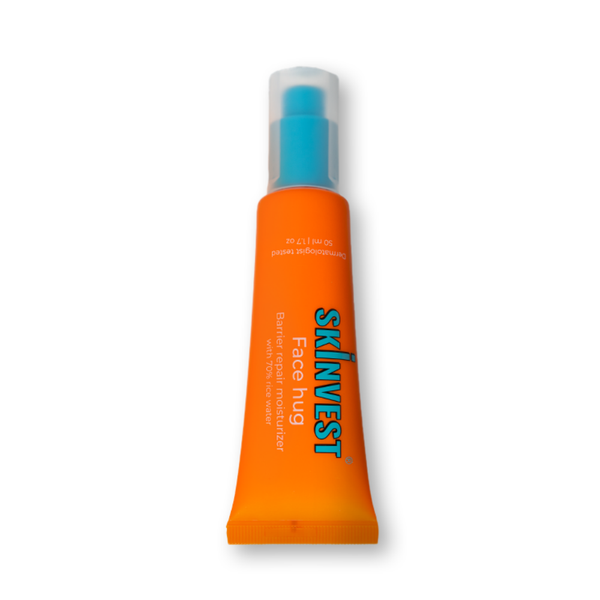
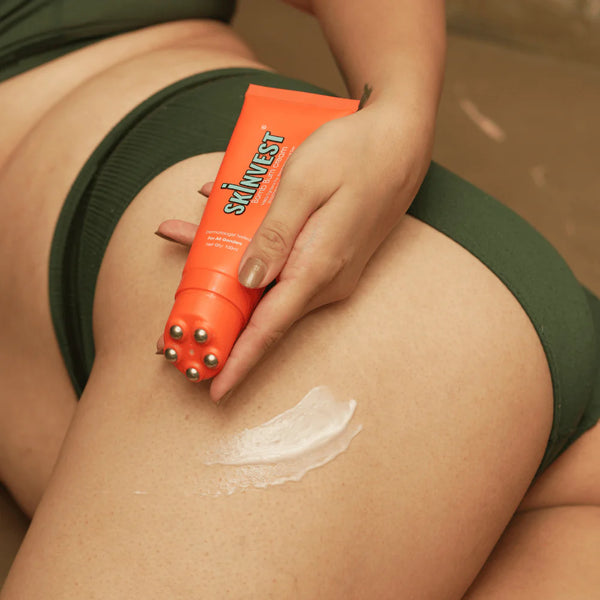
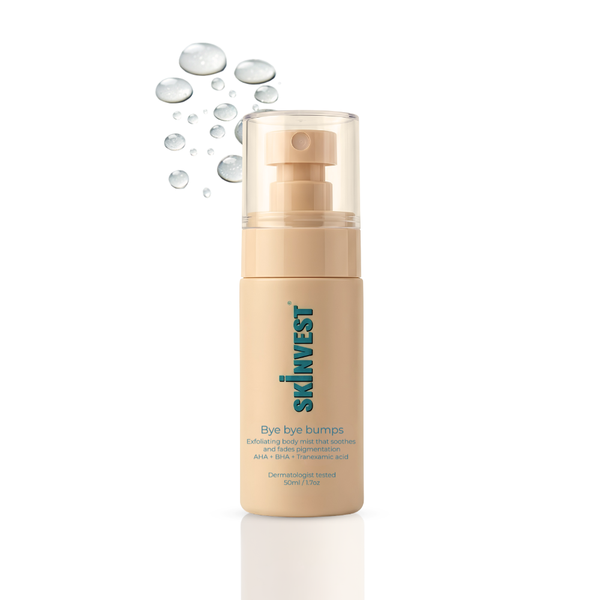
Skinvest is a dermatologist-formulated Indian skincare brand built around one insight: Indian skin has never had skincare made genuinely for it.
Every Skinvest product is:
-
Clinically tested on Indian skin subjects, not Caucasian or East Asian samples
-
Formulated with actives at concentrations calibrated for Indian skin's melanin levels, barrier sensitivity, and climate exposure
-
Designed to address the specific concerns of Indian skin tone, PIH, melasma, oiliness, pollution damage, and barrier repair
-
Vegan, paraben-free, and cruelty-free
Skinvest's hero ingredients for Indian skin:
-
Niacinamide, regulates sebum, reduces PIH, strengthens barrier
-
Tranexamic acid, clinical pigmentation treatment; safe for all Indian skin phototypes
-
Vitamin C (stable form), antioxidant protection calibrated for Indian UV and pollution levels
-
Ceramides and peptides, barrier repair and anti-ageing for Indian skin's specific collagen behaviour
-
Glutathione and NAD+, cellular-level skin repair for long-term skin health
This is not K-beauty adapted for Indian consumers. It is skincare built from the ground up for Indian skin, its biology, its climate, its concerns, and its diversity.
The Ideal Skincare Routine for Indian Skin — 4-Step Daily Framework
Based on dermatologist guidance for Indian skin, a clean, effective daily routine follows four steps:
-
Gentle Cleanse, pH-balanced, non-stripping; removes pollution and sebum without compromising the barrier
-
Active Serum, Vitamin C in the morning for antioxidant protection; Niacinamide or Tranexamic Acid for pigmentation; repair serum at night
-
Moisturise, lightweight for oily or humid conditions; richer barrier cream for dry skin or winter
-
Sunscreen (non-negotiable), minimum SPF 30 PA+++; no pigmentation treatment works without daily SPF reinforcement
This CSMS (Cleanser–Serum–Moisturiser–Sunscreen) approach is the most dermatologist-endorsed framework for skincare for Indian skin, simple, effective, and adaptable to all Indian skin colour types and genders.
Shop Skinvest at Suspire
Suspire curates only quality-first, clinically backed wellness and skincare products. Skinvest's dermatologist-formulated range for Indian skin is available at Suspire, selected for ingredient integrity, clinical testing on Indian skin subjects, and proven results across all Indian skin tones and genders.
FAQs
Q. What are the different Indian skin colour types?
Ans: Indian skin colour spans Fitzpatrick Types III to VI: wheatish to medium brown (Type III–IV) is most common in northern India, deep to dark brown (Type V–VI) in southern India, and lighter olive tones (Type III–IV) in the northeast, with coastal regions showing deeper tanning patterns from sun exposure.
Q. What is Indian skin tone and how is it classified?
Ans: Indian skin tone spans Fitzpatrick Types III to VI, from wheatish to deep brown. It is characterised by higher melanin than Caucasian skin, greater resistance to sunburn, but significantly higher susceptibility to pigmentation, uneven tone, and post-inflammatory hyperpigmentation from any skin irritation or inflammation.
Q. What makes Indian skin different from other skin types?
Ans: Indian skin has higher melanin concentration, different ageing patterns, stronger sensitivity to post-inflammatory hyperpigmentation, and unique climate challenges, intense UV, humidity, and pollution. Most international skincare is formulated for lighter Caucasian or East Asian skin phototypes and doesn't fully address these Indian-specific biological and environmental needs.
Q. How does climate affect skin concerns specific to Indian skin?
Ans: Indian skin faces intense year-round UV exposure, high monsoon humidity that increases oiliness and congestion, dry winters that disrupt the skin barrier in northern regions, and air pollution that clogs pores and accelerates ageing. Most international skincare is tested in temperate, cleaner-air climates and doesn't account for this combination.
Q. What are the most common skincare concerns for Indian skin?
Ans: The most common concerns for Indian skin are uneven skin tone, post-acne dark marks (PIH), melasma from hormonal changes, oiliness in humid climates, sun tanning, and pollution-induced dullness. These require actives calibrated specifically for melanin-rich skin, not the same concentrations used for lighter phototypes.
Q. Why is uneven skin tone so common in Indian skin?
Ans: Indian skin's higher melanin means any trigger- sun, acne, friction, or inflammation- can cause melanocytes to overproduce pigment, leaving dark marks that last months. Daily SPF, niacinamide, and tranexamic acid are the most effective, dermatologist-recommended treatments for uneven skin tone in Indian skin.
Q. Is Beauty of Joseon good for Indian skin?
Ans: Beauty of Joseon products, particularly its lightweight serums and Relief Sun, work well for Indian skin as complementary additions. However, K-beauty is primarily formulated for East Asian skin types and doesn't fully address PIH, melasma, and the pigmentation patterns specific to Indian skin phototypes and climate.
Q. Which skin tone is most attractive?
Ans: No skin tone is objectively more attractive than another. Skin tone preference is culturally shaped, not biological. In skincare, the goal is healthy, even-toned, well-protected skin at any depth of Indian skin colour, not a lighter shade. The healthiest Indian skin, at any tone, is the most radiant.
Q. How is Skinvest different from international skincare brands?
Ans: Skinvest is clinically tested on Indian skin subjects, not Caucasian or Korean populations. Its actives are calibrated for Indian melanin levels, climate exposure, and specific concerns like PIH and melasma. This makes it fundamentally different from international brands adapted for Indian consumers without being built for Indian skin.
Q. What skincare routine is best for Indian men?
Ans: Indian men's skin typically trends oilier and thicker, with higher sun exposure and shaving-related barrier disruption. An effective routine includes a gentle foaming cleanser, a niacinamide or salicylic serum for oil and pigmentation control, a lightweight moisturiser, and daily SPF, non-negotiable for managing Indian men's skin tone and preventing sun-induced darkening.


