

Sustainable Janmashtami 2026, Eco-Friendly Decor Ideas & Healthy Vegan Prasad Recipes

Krishna Janmashtami 2026 falls on Friday, September 4, 2026, and this year, more families are choosing to celebrate with intention.
Not just devotion to Krishna, but devotion to the values he embodied: simplicity, harmony with nature, and mindful living. That's what a truly sustainable Janmashtami celebration looks like.
This guide covers everything you need, eco-friendly decor ideas, healthy Janmashtami prasad recipes, and practical tips, to make Krishna Ashtami 2026 your most beautiful and wellness-conscious celebration yet.
When Is Janmashtami in 2026?
Krishna Janmashtami 2026 is on Friday, September 4, 2026.
|
Event |
Date & Time (IST) |
|
Janmashtami Date |
Friday, September 4, 2026 |
|
Ashtami Tithi Begins |
2:25 AM on September 4 |
|
Ashtami Tithi Ends |
12:13 AM on September 5 |
|
Nishita Puja (Midnight) |
11:57 PM (Sep 4) – 12:43 AM (Sep 5) |
|
Dahi Handi |
Saturday, September 5, 2026 |
|
Parana Time (Fast Break) |
After 6:01 AM on September 5 |
Krishna Ashtami 2026 (also written as Krishna Astami 2026) is one of the most widely celebrated Hindu festivals, observed across India with midnight pujas, jhankis, Dahi Handi, and community feasting.
Why Celebrate Janmashtami Sustainably in 2026?
Krishna's life was deeply rooted in the natural world, forests, rivers, cows, and the simple abundance of Vrindavan. Celebrating Janmashtami in 2026 sustainably is not a modern add-on. It's a return to the spirit of the festival itself.
The shift isn't about giving up the beauty of the celebration. It's about choosing decor that comes from the earth, serving Janmashtami prasad that nourishes rather than just fills, and building festive memories that are light on waste and heavy on meaning.
Eco-Friendly Decor Ideas for Krishna Janmashtami 2026
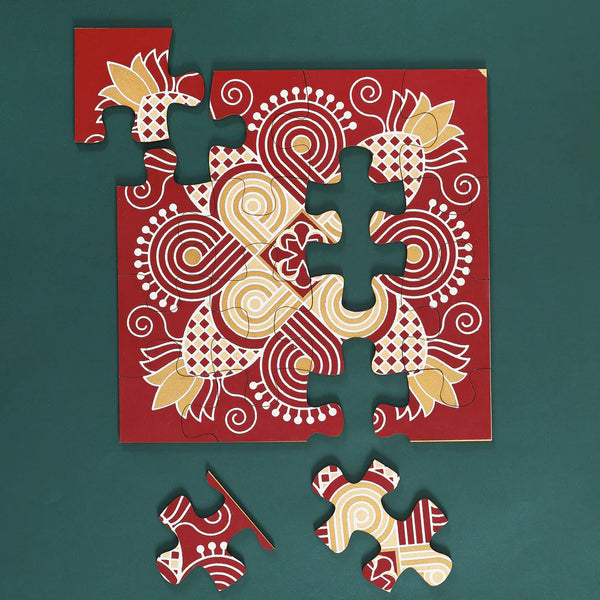
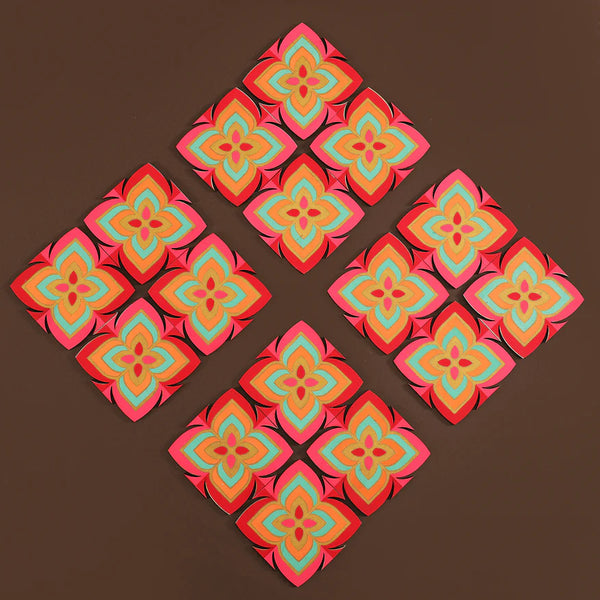
1. Natural Rangoli at the Entrance
Skip synthetic powder rangoli and create one using turmeric (yellow), beetroot powder (pink-red), and rice flour (white).
These ingredients are completely biodegradable, safe for children and pets, and can be composted after the festival. Add flower petals, marigold, jasmine, rose, for colour and texture. A natural rangoli is one of the most impactful eco-friendly touches you can make for Krishna Janmashtami 2026.
2. Clay and Terracotta Diyas
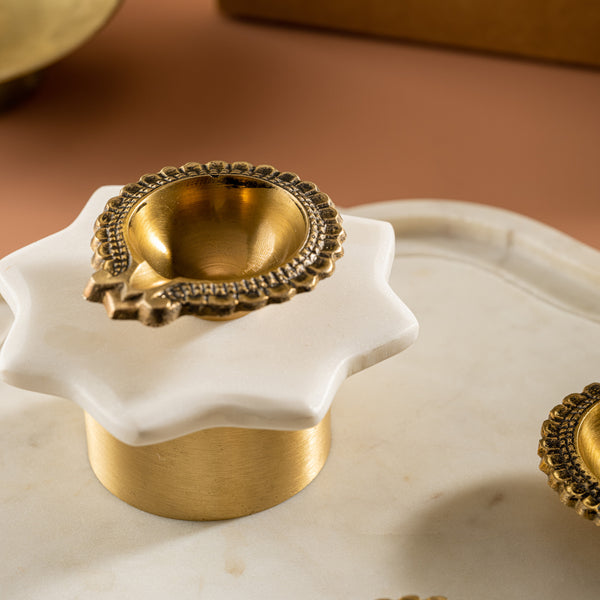
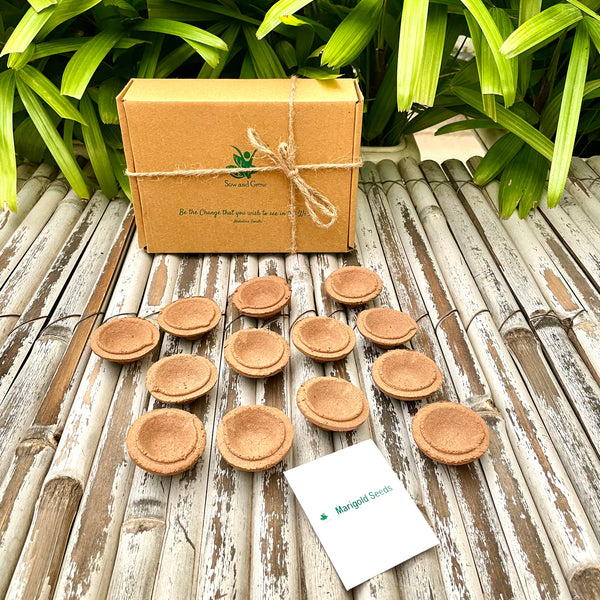
Handmade terracotta diyas are the most traditional and sustainable lighting choice for Krishna Ashtami 2026.
Fill them with pure ghee or cold-pressed sesame oil. They burn cleanly, smell beautiful, and leave no plastic waste. Clay diyas also connect beautifully to Krishna's earthen, pastoral story, far more authentically than plastic LED decorations.


3. Fresh Flower Garlands and Floral Decoration
Use locally sourced marigold, lotus, and jasmine garlands for doorways, the altar, and the jhanki.
Fresh flowers are fully biodegradable. After the puja, they can be composted or floated in a clay pot rather than immersed in water bodies. For Janmashtami in 2026, choose flowers from local vendors to reduce transportation and support traditional floristry.
4. Clay Idols of Lord Krishna
For Krishna Janmashtami 2026, choose a handcrafted clay idol painted with natural, vegetable-based dyes, not a Plaster of Paris idol with chemical paints.
Clay idols dissolve harmlessly in water and can nourish plants after immersion. Many local potters create beautiful, detailed clay Krishnas; purchasing from them directly supports traditional craft and local livelihoods.
5. Bamboo, Jute, and Recycled Paper Decor
Replace plastic streamers and foil banners with jute torans, bamboo flute displays, and handmade paper garlands.
A bamboo flute display is especially meaningful; it's the instrument most associated with Krishna and carries deep symbolic resonance. These decor elements add warmth, texture, and an authentically Indian aesthetic to the Krishna Ashtami 2026 celebration.
6. Reusable Fabric Jhankis
Rather than single-use thermocol or plastic backgrounds, create your jhanki backdrop using old cotton dupattas, sarees, or fabric offcuts.
Layer colours of deep blue (Krishna's iconic colour), golden yellow, and fresh green. These can be stored and reused year after year, reducing waste without reducing beauty.
7. Eco-Friendly Serveware for Prasad Distribution
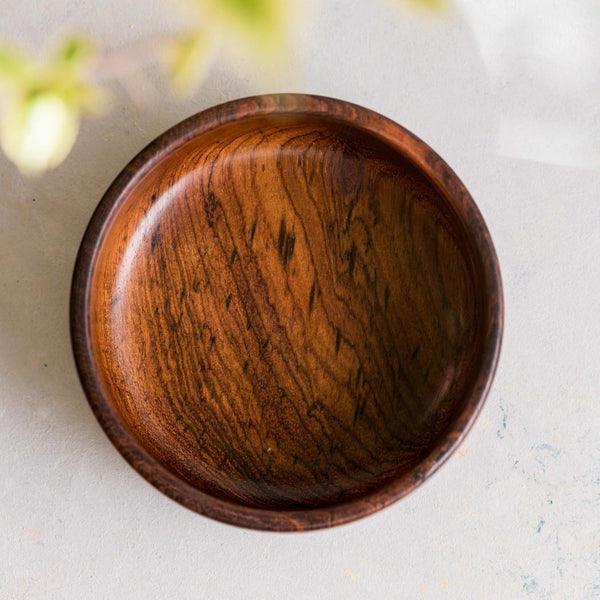
Serve your Janmashtami prasad in banana leaves, areca nut leaf plates, or reusable steel bowls rather than plastic or thermocol.
For larger community celebrations, encourage guests to bring their own containers. Areca leaf plates are 100% natural and compostable, a practical, beautiful choice for Krishna Janmashtami 2026 feasts.
Healthy Vegan Prasad Recipes for Janmashtami 2026
Janmashtami prasad holds deep spiritual and cultural significance; it is an offering of love to Krishna and a blessing shared with family and community. Here are healthy, plant-based prasad recipes to make this Janmashtami in 2026 nourishing as well as sacred.
1. Panjiri Prasad (Wheat and Dry Fruit Offering)
Panjiri is one of the most traditional Janmashtami prasad offerings and is naturally plant-based.
Ingredients:
Method: Dry roast wheat flour on low heat for 10–12 minutes until golden and fragrant. In a separate pan, warm the ghee or coconut oil. Add roasted flour, jaggery, nuts, seeds, and cardamom. Mix well and allow to cool. Serve as loose prasad in leaf cups or small earthen bowls.
2. Coconut and Jaggery Laddoo
Simple, wholesome, and beloved, this Janmashtami prasad recipe takes under 20 minutes and requires no refined sugar.
Ingredients:
Method: Lightly toast the coconut on low heat. Melt jaggery in a pan with a splash of water until it forms a soft consistency. Mix in coconut, dry fruits, cardamom, and coconut oil. Shape into laddoos while warm. Allow to cool completely before offering.
3. Makhana (Fox Nut) Kheer, Dairy-Free Version
Makhana is deeply associated with Janmashtami prasad and Krishna's pastoral simplicity.
Ingredients:
-
1 cup fox nuts (makhana), lightly roasted and roughly crushed
-
1 tbsp saffron-infused water (a few strands in warm water)
-
Crushed pistachios to garnish
Method: Heat coconut and almond milk together in a thick-bottomed pan. Add crushed makhana and cook on low heat for 12–15 minutes, stirring gently, until the makhana softens and the kheer thickens slightly. Add jaggery, cardamom, and saffron water. Stir and simmer for 2 more minutes. Serve warm or chilled. Garnish with pistachios.
4. Dry Fruit and Seed Energy Balls
A modern, nutritious Janmashtami prasad that works beautifully for gifting to neighbours and guests during Krishna Janmashtami 2026 celebrations.
Ingredients:
-
1 tbsp sesame seeds
-
1 tsp rose water
Method: Blend all ingredients in a food processor until the mixture comes together into a sticky dough. Add rose water and pulse once more. Roll into small balls and coat in sesame seeds. Refrigerate for 30 minutes before serving. These are fully vegan, no-cook, and genuinely nourishing.
5. Panchamrit, Plant-Based Version
Panchamrit is the sacred five-ingredient ritual offering used to bathe the idol during Krishna Ashtami 2026 puja.
A traditional panchamrit uses dairy milk and honey, but a plant-based version can be prepared respectfully for families choosing a vegan celebration:
-
Coconut yoghurt (in place of dairy curd)
-
Organic jaggery syrup (in place of honey)
-
Pure rose water (in place of fragrant dairy additions)
Mix in equal parts, offer with intention, and distribute to family members as a blessed sip.
Building Your Sustainable Janmashtami 2026 Checklist
Here is a simple pre-festival checklist for a clean, eco-conscious Janmashtami celebration:
-
Clay or seed idol sourced from local potter
-
Natural rangoli powders prepared (turmeric, rice flour, beetroot)
-
Terracotta diyas filled with ghee or sesame oil
-
Fresh flower garlands from local vendor
-
Bamboo or jute decor items selected
-
Areca leaf or banana leaf serveware arranged
-
Janmashtami prasad recipes prepped with organic, plant-based ingredients
-
Fabric or reusable jhanki backdrop prepared
-
Waste bins arranged: organic, dry, recyclable
-
Excess prasad portioned for donation to neighbours or shelters
Suspire's Wellness Picks for Janmashtami 2026
Suspire curates trusted, natural-material products for everyday wellness and mindful living. For Krishna Janmashtami 2026, explore Suspire's range of:
-
Organic dry fruits and nuts, ideal for healthy prasad preparation
-
Natural coconut products for dairy-free cooking
-
Wellness essentials that align with the spirit of mindful celebration
Build your Janmashtami prasad with clean, quality ingredients that honour the occasion with the care it deserves.
FAQs
Q. When is Krishna Janmashtami in 2026?
Ans: Krishna Janmashtami 2026 is on Friday, September 4, 2026. The Ashtami Tithi begins at 2:25 AM on September 4 and ends at 12:13 AM on September 5. The Nishita Puja (midnight puja) is from 11:57 PM to 12:43 AM.
Q. What is the date of Krishna Ashtami 2026 (Krishna Astami 2026)?
Ans: Krishna Ashtami 2026, also known as Krishna Astami 2026, Gokulashtami, or Janmashtami, falls on Friday, September 4, 2026. Dahi Handi is observed on September 5, 2026.
Q. What prasad is offered on Janmashtami?
Ans: Traditional Janmashtami prasad includes panjiri, makhana kheer, coconut laddoos, panchamrit, and dry fruit sweets. Plant-based versions using coconut milk, jaggery, nuts, and seeds are equally sacred and align with modern wellness and vegan lifestyles.
Q. How can I celebrate Janmashtami in 2026 sustainably?
Ans: Use clay idols, natural rangoli powders, terracotta diyas, and fresh flower garlands. Serve prasad on areca leaf or banana leaf plates. Prepare homemade Janmashtami prasad with organic, plant-based ingredients and reduce plastic and single-use items from all rituals.
Q. Is vegan prasad acceptable for Janmashtami puja?
Ans: Yes. Vegan or plant-based prasad, made with coconut milk, organic jaggery, nuts, seeds, and fruits, is a pure, sattvic offering that aligns with Krishna's pastoral, nature-rooted life. Many wellness-aware families are making this mindful choice for Janmashtami 2026.
Q. What eco-friendly decor works best for Janmashtami 2026?
Ans: Clay and terracotta diyas, natural flower garlands, bamboo or jute torans, natural rangoli made from turmeric and rice flour, and reusable fabric jhankis are the most beautiful and sustainable choices for Krishna Janmashtami 2026.
Q. When should I break my Janmashtami fast in 2026?
Ans: The Parana time, when the Janmashtami fast is traditionally broken, is after 6:01 AM on Saturday, September 5, 2026, once the Ashtami Tithi ends.


