

Unique Sustainable Fabrics: A Guide to Eco-Friendly Materials for Your Wardrobe

Sustainable fabrics are revolutionizing the way we think about clothing, combining style, comfort, and responsibility. With increasing awareness of the impact of fast fashion and synthetic textiles, many are seeking to switch to eco-friendly fabrics that promote both their well-being and the environment.
Whether you’re a mindful consumer or a fashion enthusiast, understanding sustainable fabrics helps you make better choices about what to wear and where to shop. Here’s a guide to some of the most promising eco-friendly fabrics, how they’re made, and why they matter.
What Are Sustainable Fabrics?
Sustainable fabrics are materials produced from renewable resources using processes that minimize environmental harm, conserve water, reduce carbon emissions, and often support ethical labor practices. Unlike conventional textiles laden with plastic fibers or harsh chemicals, these fabrics breathe, biodegrade, and promote a healthier lifestyle.
Popular Types of Unique Sustainable Fabrics
Organic Cotton & Better Cotton
Organic cotton is grown without synthetic pesticides and fertilizers, leading to less soil degradation and chemical runoff. Better Cotton combines improved farming practices to reduce water use and pesticide impact. Both help reduce the environmental footprint of your wardrobe.
Hemp
A highly durable and biodegradable natural fiber, hemp requires minimal water and no pesticides, enriches soil health, and offers a breathable, soft fabric for everyday wear.
Bamboo
Bamboo is fast-growing and naturally pest-resistant. When processed using eco-friendly methods (avoiding harmful viscose), bamboo fabric is silky soft, moisture-absorbent, and versatile.
Linen
Made from flax, linen requires fewer chemicals and water than cotton. It is naturally breathable, highly durable, biodegradable, and gains charm with age.
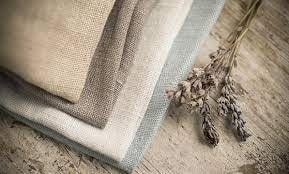
Sustainable Fabric - Linen (Image Source: ergogreen)
Piñatex and Other Plant-Based Leathers
Innovations like Piñatex, made from pineapple leaf fibers, and alternatives derived from cactus, mushroom, or apple waste offer cruelty-free, biodegradable, and visually stunning leather substitutes.
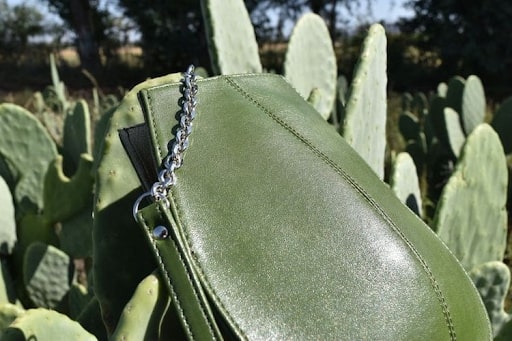 Sustainable Fabric - Eco Leather ( Image Source: mymodernmet)
Reclaimed & Deadstock Fabrics
Using leftover or surplus materials from textile production, reclaimed fabrics prevent waste and foster circular fashion. These unique textiles add distinct patterns and stories to your wardrobe.
Seaweed Fabric
Derived from algae, seaweed fabric is biodegradable, breathable, and has inherent minerals beneficial for skin health, making it a truly innovative, eco-friendly option.
Why Choose Sustainable Fabrics for Clothing?
-
Healthier for Your Skin: Natural fibers avoid the irritations caused by synthetic textiles and chemical dyes.
-
Lower Environmental Impact: Reduced water consumption, pesticide use, and waste generation.
-
Support Ethical Supply Chains: Many sustainable fabrics come from fair trade farmers and artisans.
-
Durability and Timelessness: Higher quality that lasts beyond seasonal fashion trends.
Where to Buy Sustainable Fabrics
Finding reliable, sustainable fabric suppliers can be a journey. Platforms like Suspire curate collections of fabrics and garments made from certified eco-friendly materials, ranging from organic cotton to bamboo blends. Shopping from such marketplaces supports transparency and environmental stewardship.
Featured Suspire Fabric-Based Products
-
Organic Cotton Apparel: Soft, breathable basics for mindful living
-
Hemp Accessories: Durable and stylish everyday wear
-
Reclaimed Fabric Scarves & Wraps: Fashion with a story
-
Bamboo Wear: Lightweight, moisture-wicking tops and dresses
-
Vegan Leather Bags: Crafted with Piñatex and other plant-based leathers
FAQs
1. What makes a fabric sustainable?
Ans: Sustainable fabrics are made from renewable or recycled materials using processes that minimize water use, energy consumption, and chemical usage, producing less waste.
2. Is bamboo fabric really eco-friendly?
Ans: When produced via mechanical processes or closed-loop systems, bamboo is eco-friendly. Avoid viscose/ rayon bamboo from harmful chemical treatments.
3. How does reclaimed fabric contribute to sustainability?
Ans: Reclaimed fabric reduces waste by repurposing surplus textiles, extending fabric life, and avoiding new resource extraction.
4. What’s the difference between organic and conventional cotton?
Ans: Organic cotton avoids synthetic pesticides and fertilizers, creating a healthier ecosystem and less chemical residue on clothing.
5. Are plant-based leathers durable and stylish?
Ans: Yes, innovations like Piñatex and cactus leather are gaining popularity for their durability, aesthetic appeal, and eco-credentials.
6. How can I verify a fabric’s sustainability?
Ans: Look for certifications like GOTS (organic textiles), FSC (for wood/cork), OEKO-TEX (for non-toxic textiles), and transparent supplier information.


