

Most Used Spices in Indian Kitchen: Top 11 Essential Masalas

The most used spices in an Indian kitchen are the everyday masalas that build flavour, aroma, and depth in home cooking. If you use masala powder regularly, knowing these essentials helps you choose the right blend for each dish and understand what goes into a good masala powder.
Why These Spices Matter
Indian cooking depends on spice combinations more than single ingredients. A small shift in one spice can change the taste of a curry, a dry sabzi, or even a simple tadka.
That is why people who buy masala powder online or use instant masala powder at home should still know the basics. When you understand the core spices, it becomes easier to pick the right garam masala powder or everyday blend.
1. Cumin
Cumin is one of the most common spices in Indian cooking. It adds a warm, earthy flavour and works well in both tempering and spice blends.
It is often one of the base notes in masala powder because it supports many dishes without taking over the flavour.
2. Coriander
Coriander seeds bring a mild, slightly citrusy taste to spice mixes. They are widely used because they help balance stronger spices.
Many everyday masala powder blends use coriander as a major ingredient since it adds body and roundness to the mix.
3. Black Pepper
Black pepper adds heat and sharpness. It is a key spice in many traditional Indian blends, including garam masala powder.
Even in small amounts, it helps give depth and warmth to an instant masala powder or home-style spice mix.
4. Clove
Clove has a strong, aromatic flavour that can instantly change the character of a dish. It is usually used in small amounts because the taste is intense.
It is a common ingredient in richer masala powder blends, especially those meant for curries and festive cooking.
5. Cinnamon
Cinnamon adds sweetness and warmth to spice mixes. It is often used in garam masala powder because it helps create a fuller, more layered flavour.
A little cinnamon goes a long way, which is why it is usually part of blended masala powder rather than used alone.
6. Cardamom
Cardamom brings a sweet, fragrant note that is often associated with premium spice blends. It is especially important in aromatic garam masala powder.
This spice adds lift and fragrance, making it valuable in both savoury dishes and special recipes.
7. Bay Leaf
Bay leaf adds a subtle, herbal background note. It is not usually the dominant flavour, but it supports the overall spice profile.
In traditional cooking, bay leaf is often paired with other spices to build a deeper base flavour in masala powder-style dishes.
8. Mustard Seeds
Mustard seeds are widely used in tempering, especially in Indian home cooking. They give a nutty, sharp flavour when heated properly.
While they are not always part of garam masala powder, they are one of the most used spices in Indian kitchens overall.
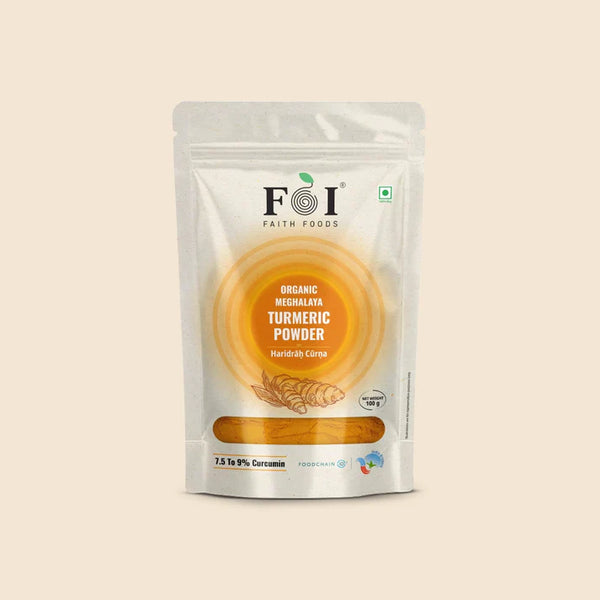
9. Turmeric
Turmeric is one of the most familiar spices in Indian cooking. It gives colour, earthiness, and a distinctive flavour to many dishes.
It may not always be part of a dry masala powder blend, but it is still one of the most essential spices in the kitchen.
10. Red Chilli
Red chilli adds heat and colour. It is used in many spice blends and is a key ingredient in everyday cooking.
Whether in a dry masala powder or a fresh homemade mix, chilli helps define how spicy the final dish will feel.
11. Asafoetida
Asafoetida, often used in tiny amounts, adds a strong savoury note. It is especially popular in certain regional Indian dishes and tempering styles.
It may not appear in every instant masala powder, but it is a useful spice to know if you cook traditional food often.
How These Spices Work Together
The reason masala powder works so well is that these spices do not act alone. They balance one another, creating flavour that feels complete instead of one-dimensional.
A good garam masala powder usually combines warm, sweet, sharp, and earthy notes. That balance is what makes it so useful in Indian cooking.
What This Means for Masala Powder
If you buy masala powder online, knowing these spices helps you read the ingredient list more confidently. You can spot whether the blend feels rich, balanced, or too simplified.
The best masala powder is usually made from spices that work together naturally. That is true whether you are choosing an everyday mix or an instant masala powder for quick cooking.
If you want to know how to identify a high-quality blend, read our guide on what makes a good masala powder.
If you want to keep these spices fresh for longer, explore our guide on how to store masala powder to keep it fresh and flavorful.
Quick Summary
The most used spices in Indian kitchens include cumin, coriander, black pepper, clove, cinnamon, cardamom, bay leaf, mustard seeds, turmeric, red chilli, and asafoetida. Together, they form the backbone of many masala powder blends and help create the flavours Indian cooking is known for.
FAQs
1. What are the most used spices in Indian kitchens?
Ans: Common spices include cumin, coriander, black pepper, clove, cinnamon, cardamom, bay leaf, mustard seeds, turmeric, red chilli, and asafoetida.
2. Are these spices used in masala powder?
Ans: Yes, many of them are used in masala powder blends, especially garam masala powder and other everyday seasoning mixes.
3. What is garam masala powder made of?
Ans: Garam masala powder usually includes warm spices like cinnamon, cardamom, clove, black pepper, and sometimes cumin or coriander.
4. Can I buy masala powder online?
Ans: Yes, but it helps to check the ingredient list, freshness, and whether the blend matches your cooking needs.
5. Is instant masala powder useful for home cooking?
Ans: Yes, it can save time and still add flavour if the blend is well made and balanced.
6. Why is it important to know essential spices?
Ans: Knowing the essential spices helps you choose the right masala powder and understand how flavours are built in Indian cooking.


